
Trends
Understanding Intelligence Across Cultures to Imagine The Next Generation of Physical AI
As Artificial Intelligence evolves into its next frontier–Physical AI, where AI is embodied in systems that sense and act in the physical world–the decisive question is no longer only what AI can do, but how different cultures understand what intelligence fundamentally is.
The Imminent 2026 investigation begins from a critical insight:
The concept of “intelligence” is not universal, but culturally and linguistically specific.
It reflects worldviews shaped by environment, history, social structure, and moral frameworks.
By analyzing how multiple linguistic ecosystems define intelligence, we can better anticipate how experience-driven AI–machines that act, move, sense, and intervene in the world–will be received, trusted, or contested globally.
We selected Japan, Chile, and the United Arab Emirates because they are home to three divergent models of intelligence:
- Japan blends high technical cognition with refined social intuition.
- Chile merges Spanish analytical clarity with Indigenous ecological-relational epistemologies.
- The United Arab Emirates articulates intelligence through analytical reasoning, ethical discernment, and strategic governance.
Each country offers a unique cognitive map that shapes how Physical AI will be interpreted, legitimized, or transformed. The following country sheets present a structured analysis of how each linguistic and semantic environment conceptualizes intelligence–and how these cultural patterns inform the future
of embodied technologies.
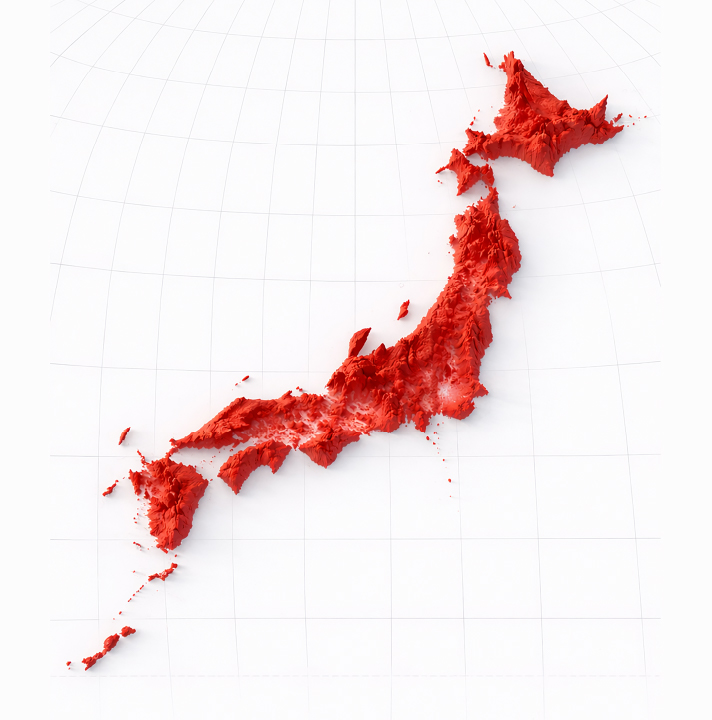
No Single Intelligence Fits All – Japan
How the concept of intelligence differs around the world: insights from Japan.
Discover Japan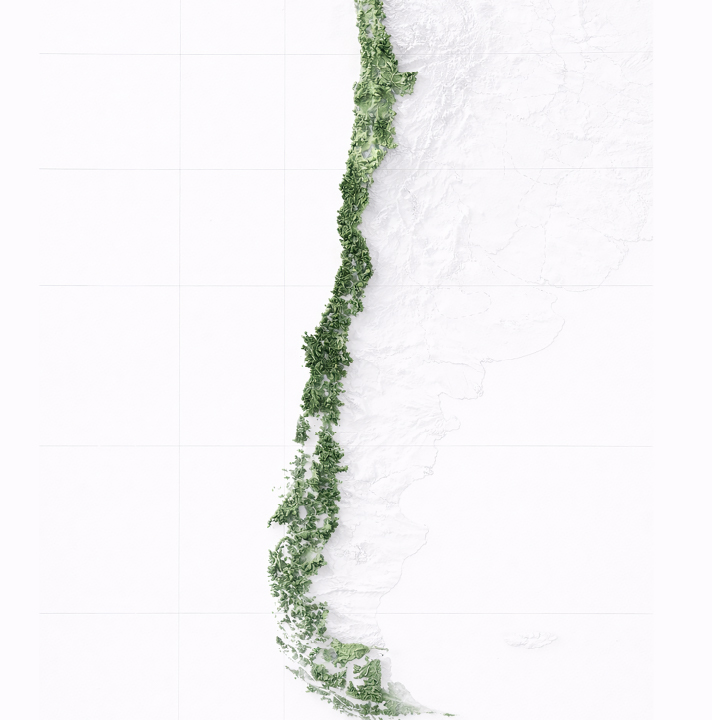
No Single Intelligence Fits All – Chile
How the concept of intelligence differs around the world: insights from Chile.
Discover Chile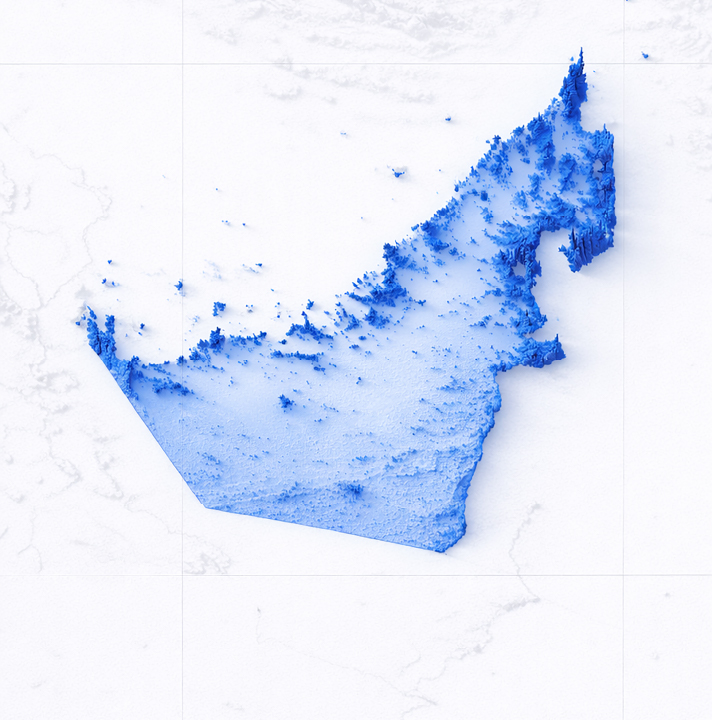
No Single Intelligence Fits All – The United Arab Emirates
How the concept of intelligence differs around the world: insights from the United Arab Emirates.
Discover The United Arab Emirates