Research
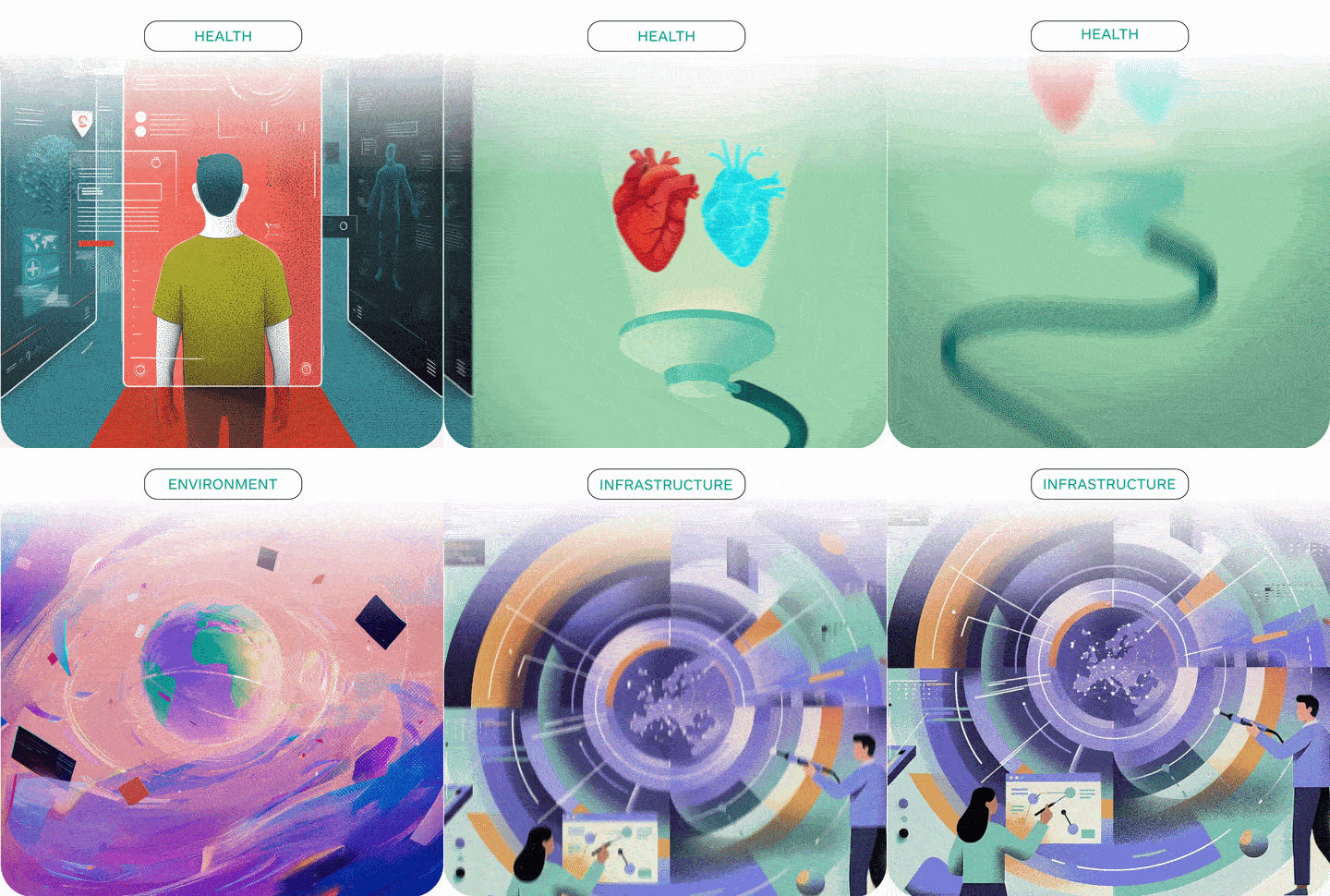
Artificial intelligence is entering a new stage of development. Until now, most AI systems have learned by processing representations of the world contained in datasets—text, images, videos and other forms of digital information. The next generation of AI aims to move beyond these representations, developing a more grounded understanding through direct interaction with the physical world.
This evolving interview series by Imminent explores this transition through conversations with the researchers, scientists and experts shaping DVPS, one of Europe’s most ambitious collaborative initiatives in artificial intelligence, supported by the European Union with an initial investment of €29 million.
Bringing together 20 organizations across 9 countries and a community of leading AI researchers, DVPS is advancing the science and engineering of multimodal foundation models—AI systems designed to integrate different sources of information, from language and vision to sensor data, and acquire knowledge through interaction with real-world environments. The goal is to develop more adaptive, contextual and reliable AI systems capable of supporting human capabilities in domains where understanding, precision and trust are essential, including language, healthcare and environmental applications.
Through these conversations with representatives of the project’s partner organizations, this series offers an inside perspective on how this new generation of AI is being built: the scientific questions driving the research, the technical challenges ahead, and the opportunities emerging from a more interactive and grounded approach to intelligence.
More than a collection of expert opinions, these interviews form an evolving record of a field in transformation—an opportunity to follow, from within Europe’s research ecosystem, the ideas, collaborations and decisions shaping where artificial intelligence is heading.
HEALTH
How AI Will Change the Way We Understand Health
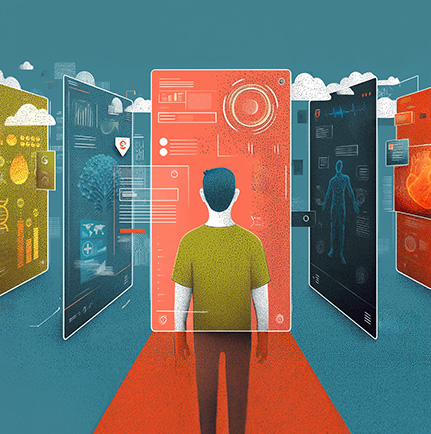
An interview with Prof. Dr. Folkert W. Asselbergs
From genetics to digital twins: research on building computational health simulations that combine structured clinical data with unstructured, culturally-specific symptom language — the missing piece current AI models still can’t capture.

How AI Could Enable Global Collaboration in Cardiology
An interview with Prof. Sandy Engelhardt
From multimodal integration to federated learning: research on training AI across hospitals without sharing patient data — fusing ECGs, imaging, and records into transformer models that translate insights into human terms.
How AI Is Learning From the Human Body
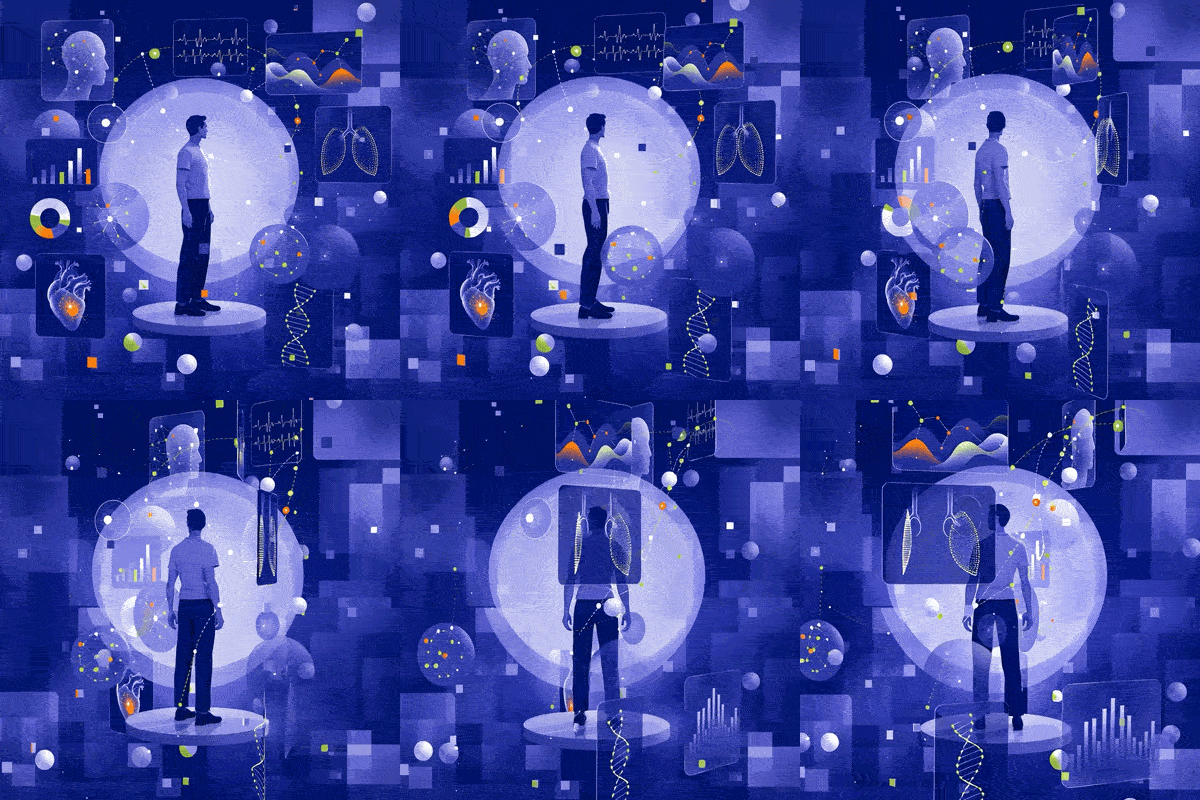
An interview with Prof. Aldo Faisal
From brains to bodies: Prof. Aldo Faisal explores embodied intelligence, reinforcement-learning systems that treat error as a signal rather than failure, and “living labs” that capture human behaviour in the wild rather than staged experiments.
ENVIRONMENT

How AI Is Changing the Way We Face Climate Disasters
An interview with Dr. Tanja Van Achteren
From single-sensor models to multimodal disaster response: research on integrating satellite, drone, and social media data with physics-informed AI, tackling uncertainty and multilingual communication where translation alone falls short.
INFRASTRUCTURE
Building the Infrastructure of European AI
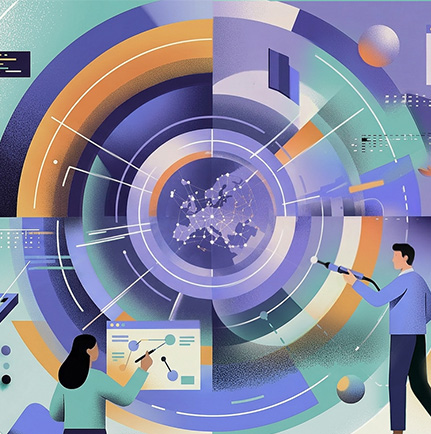
An interview with Marek Kasztelnik & Szymon Mazurek
Research on distributed AI training at scale: multi-GPU tests across European clusters, containerized training runs, and coordinating compute across nine countries — because the ceiling for foundation models isn’t the GPU, it’s the network.