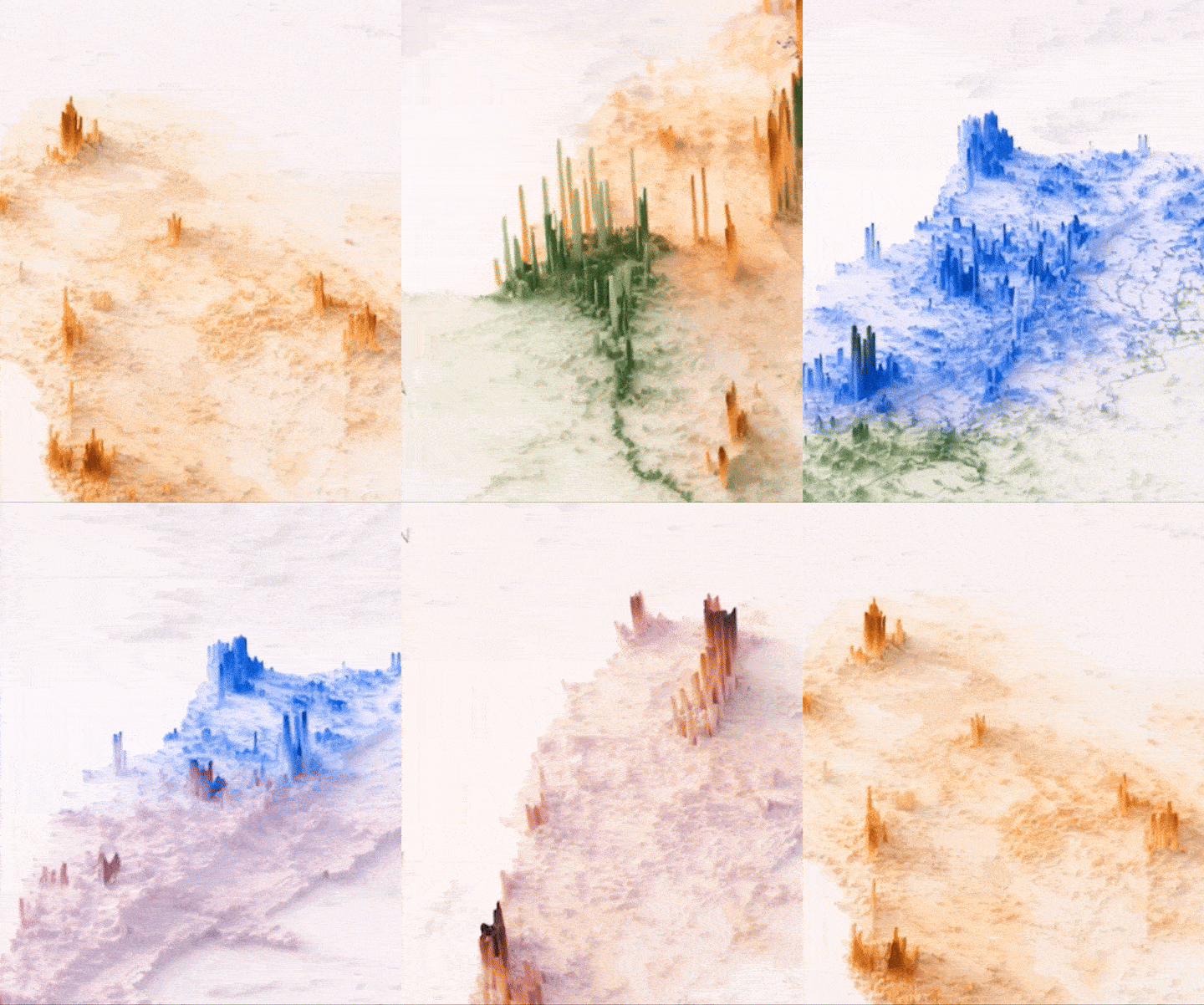
Language
A Global Presence
Today, approximately 380 million people speak Arabic as their first or second language across 22 Arab countries, with almost 500 million speakers worldwide throughout Asia and Africa. As the liturgical language of Islam and the fifth most spoken language globally, Arabic occupies a position few languages can claim: It is simultaneously ancient and urgent, sacred and everyday, unified in theory and fragmented in practice.
Arabic presents itself as perfection. The Quran—believed by Muslims to be the literal word of God—is written in Arabic, elevating the language beyond communication and into the realm of the divine. Classical Arabic’s grammar is exacting, its phonetic system comprehensive, its lexical precision legendary. For centuries, grammarians preserved this standard with near-religious devotion, shaping a linguistic ideal that remained largely unchanged for over a millennium. Few languages have been so deliberately stabilized, so carefully protected from erosion.
Yet the Arabic that lives in markets and homes, in films and songs, often bears only a distant resemblance to this ideal. While Modern Standard Arabic maintains institutional authority in writing, education, and formal speech, the vernaculars that people actually speak have evolved into systems so distinct that mutual intelligibility can break down entirely. What is called “Arabic” is, in practice, a constellation of living varieties—each shaped by geography, history, religion, migration, and power.
Paradoxically, Arabic’s very perfection created the conditions for this fragmentation. By placing the standard beyond ordinary use—sacred, immutable, untouchable—it freed everyday speech to move, adapt, and absorb. The ideal remained fixed, while spoken Arabic became responsive to life. Unity was preserved at the level of principle, and diversity flourished at the level of practice.
Historically, this tension is not accidental. Arabic did not emerge as a single, unified block. Its roots lie in the southern Levant and northeastern Arabian Peninsula, where multiple dialects already coexisted in the first millennium BCE. From its earliest attestations in Assyrian inscriptions, Arabic appears to have been marked by internal variation. Expansion following the rise of Islam transformed it into a transregional language, spreading across continents and reshaping—yet never fully erasing—local linguistic ecologies.
Today, Arabic lives most dynamically in contact: in migration, diaspora, trade, education, and cultural exchange. Outside the Arab world, it does not simply survive as heritage; it adapts, blends, and redefines itself. It becomes African, Brazilian, and Indonesian—without ceasing to be Arabic. The language’s endurance lies not in uniformity, but in its capacity to remain recognizable while changing form.
This project explores Arabic precisely within this tension between unity and plurality. Through a series of articles combining linguistic analysis, comparative tables, and contributions informed by local linguists, it examines how Arabic interacts with specific geographies and societies—how sound, grammar, and vocabulary reflect history, power, economy, and identity.Across these case studies, Arabic emerges not as a broken language, but as a structured one: one ideal, many realizations. Perfect not as a closed system, but as a living architecture—stable at its core, flexible at its edges. Between the permanence of its standard and the creativity of its spoken forms, Arabic continues to move through the world: not preserved, not dissolved, but alive.
The Readings
Saudi Arabia
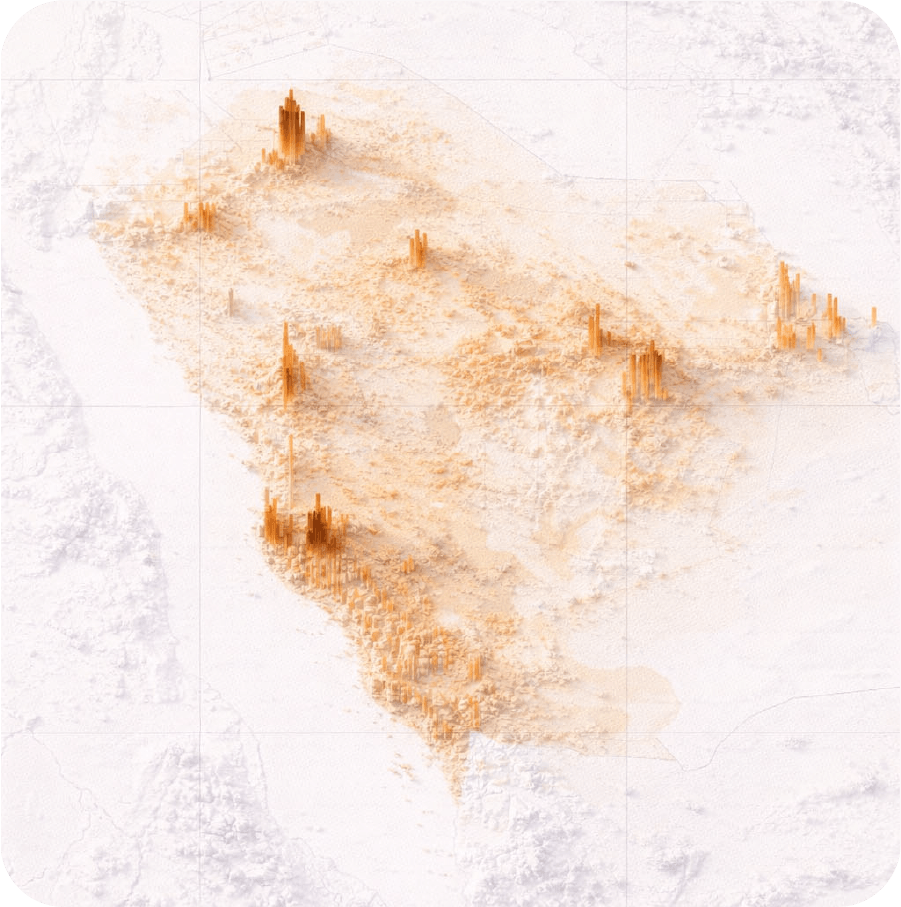
The Sacral Privilege
Saudi dialects uniquely preserve phonetic and lexical features of Classical Arabic, offering a living window into the language’s history. This article explores their regional diversity, cultural roots, and enduring connection to the sacred, prestigious form of Arabic.
Egypt
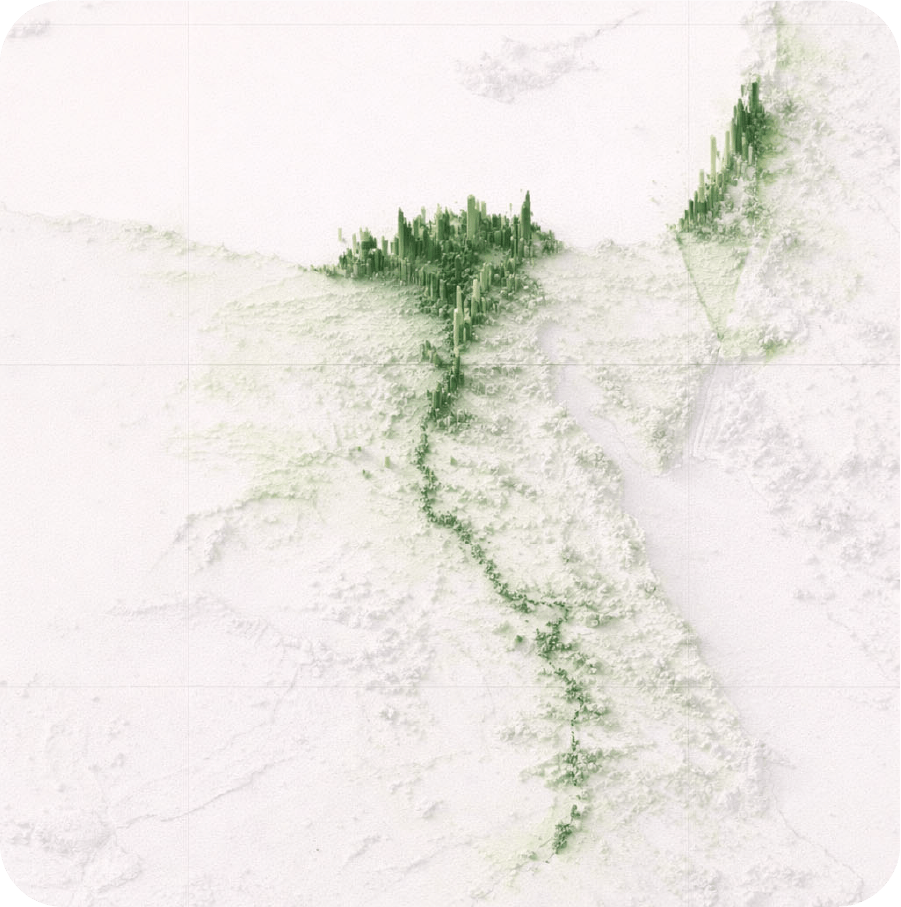
The Voice of Cultural Hegemony
Egyptian Arabic carries an unusual privilege: It is both deeply local and broadly accessible. In fact, Egyptian Arabic has been the Arab world’s most recognizable voice. This is the language of cinema, of songs that echoed across generations, of television series that captivated millions from Casablanca to Damascus.
Morocco
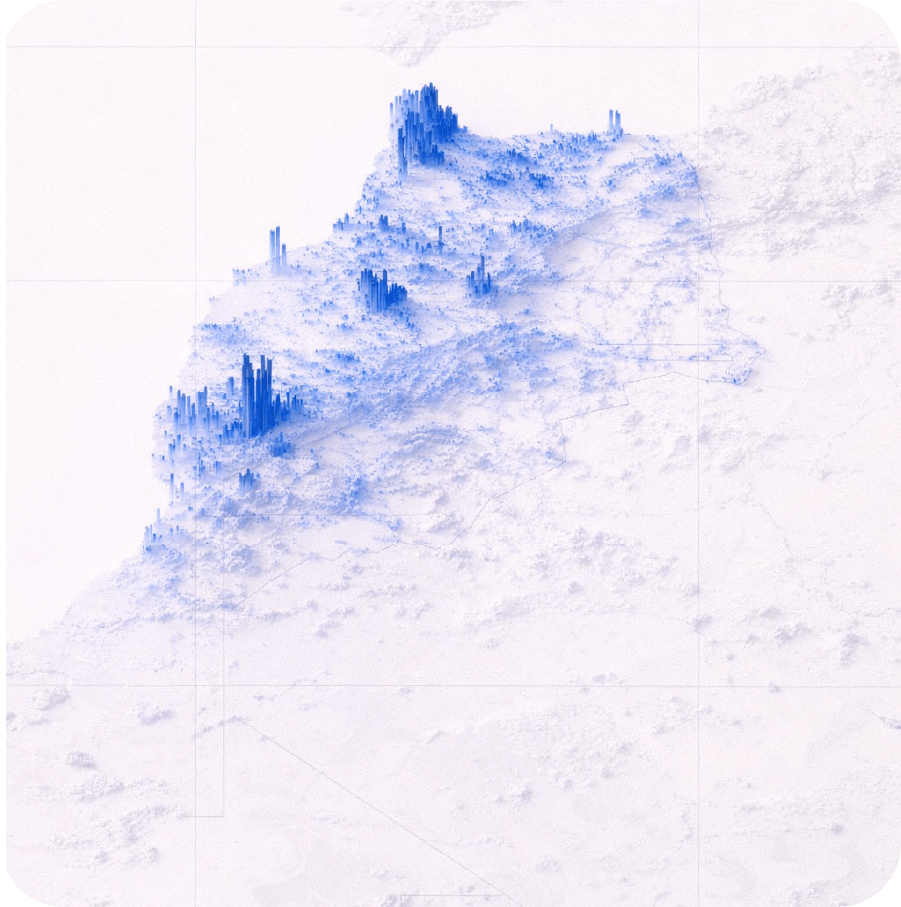
Encounter and Divergence
Spoken by over 90% of Moroccans, Darija blends Arabic, Berber, and European influences into a unique dialect that often surprises even native speakers. Discover the language of Morocco’s streets, markets, and everyday life.
Lebanon
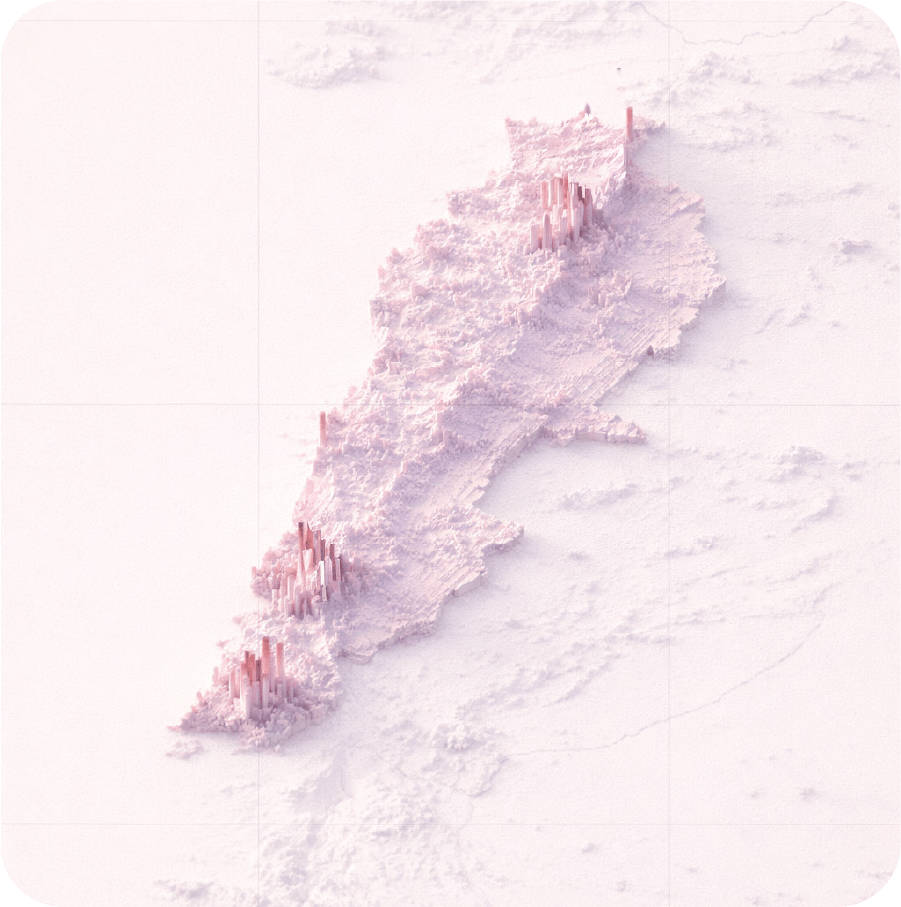
The Language of Coexistence
Small in geography but rich in history, Lebanese Arabic blends Arabic, French, English, and centuries of cultural influence. Flexible, adaptive, and uniquely Levantine, it reflects a society built on diversity, coexistence, and social connection.
Where You Wouldn’t Expect
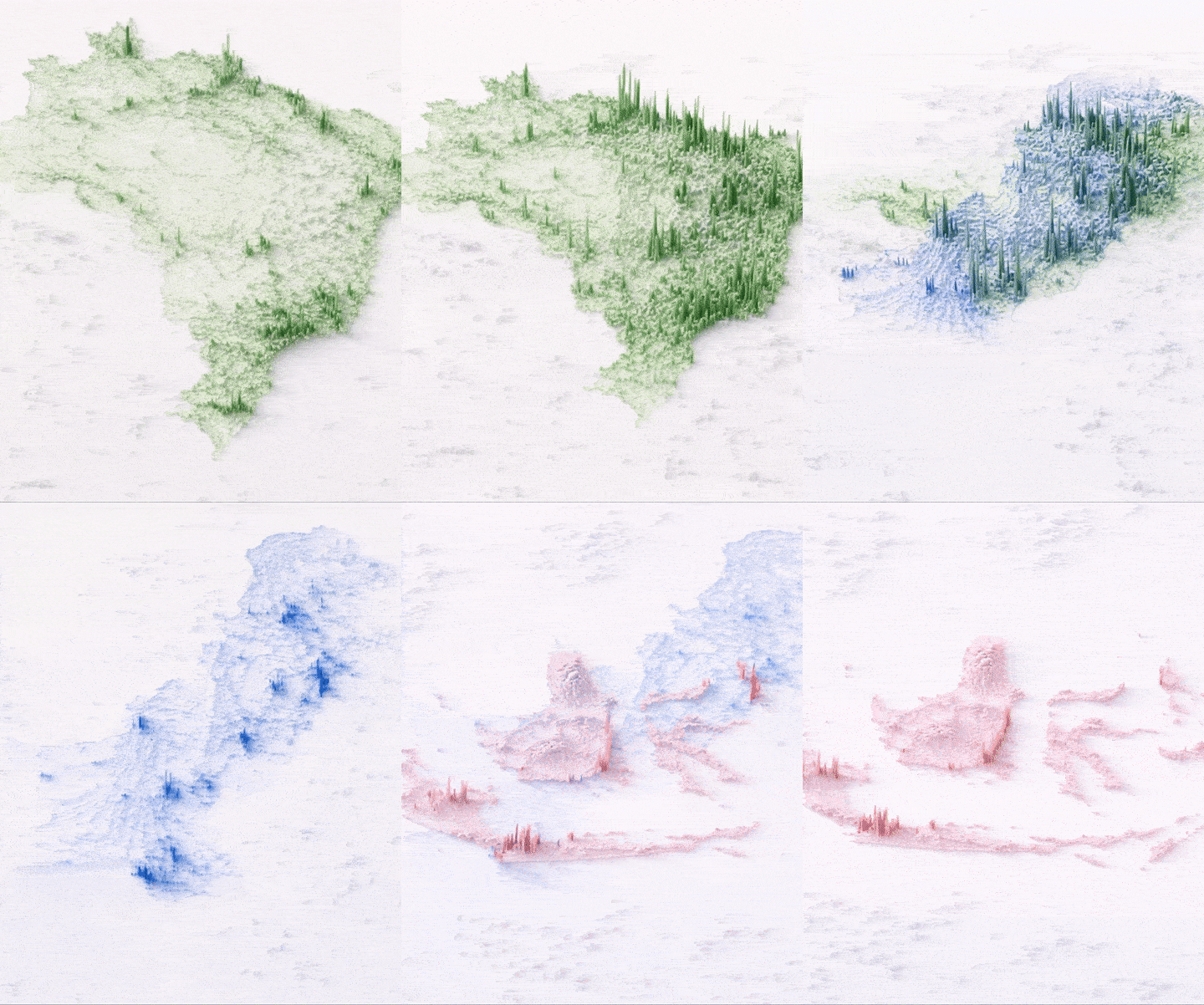
Brazil, Pakistan, Indonesia
Arabic travels across oceans and continents, shaping lives from Brazil to Pakistan and Indonesia. Beyond a language, it embodies heritage, religion, and commerce, adapting locally while connecting communities to centuries of culture, identity, and global exchange.