
Global Perspectives
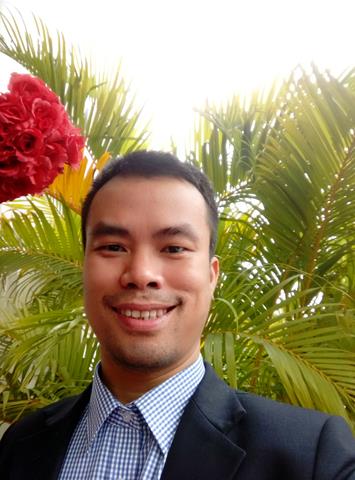
Man Ngo
Proofreader Editor
Lecturer as a full-time job in Vietnam. His love for language has kept him engaged in translation and editing work for more than 15 years.
Overview
– Country: Vietnam
– Key Concepts: Fate, destiny, personal initiative, cyclical temporality, pragmatism, optimism
– Temporal Orientation: Contingent yet actionable; cycles of nature and society shape human effort
– Historical Influences: Confucian philosophy, rice-cultivation cycles, spiritual beliefs, colonial and post-colonial modernization, globalization
Introduction
For the Vietnamese, the future is never an abstract concept. It is lived, experienced, and negotiated through daily decisions, cultural norms, and historical legacies. Across generations, Vietnamese perceptions of time blend spirituality, moral obligation, and practical foresight. Understanding futurity in Vietnam requires attending both to tradition—shaped by Confucian stability, cyclical agricultural rhythms, and spiritual beliefs—and to contemporary currents of ambition, innovation, and global connectedness.
Tradition: Stability, Cycles, and Destiny
Confucian thought has long guided Vietnamese perspectives on life and time, emphasizing stability and contentment as foundations for personal and social well-being. This framework is complemented by cyclical thinking, rooted in the rhythms of rice cultivation, seasonal change, and fate. In such a worldview, the future is intertwined with moral conduct and divine will, expressed in proverbs that continue to shape everyday life:
- “Đức năng thắng số” — “Virtue overcomes fate”
- “Cúng thì được phúc, tránh thì được bình an” — “Worship brings blessing, avoidance brings peace”
These sayings reflect a tempered optimism: while humans cannot fully control what is to come, ethical behavior, prudence, and ritual practice provide guidance. Simultaneously, this moral orientation coexists with a practical ethic of preparation. Saving, accumulating, and planning—captured in the maxim “working today to save for tomorrow”—show that Vietnamese approaches to the future are neither passive nor fatalistic; agency is exercised within the bounds of tradition and contingency.
Modernity: Optimism and Short-Term Thinking
Vietnamese society today demonstrates a dynamic negotiation between inherited cultural patterns and the pressures of a modern, globalized world. Surveys such as Gallup International (2007) and BVA (2010) identify Vietnamese among the most optimistic populations worldwide. Historically, rice-farming nurtured a pragmatic intuition: decisions are informed by experience and observation, as captured in proverbs:
- “Dĩ bất biến, ứng vạn biến” — “Respond to myriad changes with an unchanging stance”
- “Trời sinh voi, trời sinh cỏ” — “Heaven gives birth to elephants as well as grass”
This pragmatic optimism continues in the youth of Vietnam, who embrace entrepreneurship, study-abroad opportunities, and personal autonomy. They combine faith in opportunity with creativity, advancing across technology, culture, and the arts.
Yet alongside this confidence, a short-term orientation persists. Investment in real estate, gold, or quick-return business ventures often takes precedence over patient, long-term strategies such as research or technological development. Economic pressures, rising housing costs, environmental uncertainty, and competitive labor markets heighten the sense of unpredictability. For many, the future is both promising and precarious.
Negotiating the Future: Faith and Action
Vietnamese engagement with the future reflects a careful balance between acceptance and initiative. Traditional beliefs in fate and cyclical time coexist with practical preparation and ambition. The future is a space of both contingency and possibility: it is to be anticipated, yet approached with humility and foresight. Proverbs remain central in shaping this ethos:
- “Đức năng thắng số” — Virtue overcomes fate
- “Cúng thì được phúc, tránh thì được bình an” — Worship brings blessing, avoidance brings peace
- “Dĩ bất biến, ứng vạn biến” — Respond to myriad changes with an unchanging stance
- “Trời sinh voi, trời sinh cỏ” — Heaven gives birth to elephants, as well as grass
These expressions encode a cultural logic: ethical conduct, prudence, and adaptability ensure that human action remains meaningful, even under the unpredictability of fate and circumstance.
Conclusion
In Vietnam, the future is experienced as a continuum of cycles, preparation, and possibility. Tradition grounds it in stability, ethics, and destiny, while contemporary aspirations inject innovation, ambition, and global perspectives. Individuals navigate this layered horizon through faith, practical effort, and optimism, balancing the demands of immediate action with the constraints and contingencies of the broader world.Time in Vietnam is therefore neither solely linear nor entirely cyclical; it is lived at the intersection of moral responsibility, practical foresight, and personal aspiration. The Vietnamese future is not a distant abstraction—it is a field of negotiation, where cultural wisdom and modern agency intersect, shaping the choices of today and the possibilities of tomorrow.
Original language
Tương lai ở đâu?
Tương lai luôn là một khái niệm đầy ám ảnh và khơi gợi nhiều suy tư trong tâm thức của mỗi dân tộc. Đối với người Việt Nam, cách nghĩ về tương lai không chỉ phản ánh những giá trị văn hóa truyền thống mà còn bộc lộ những biến chuyển mạnh mẽ trong thời đại toàn cầu hóa. Từ những quan niệm tâm linh về số phận đến tư duy thực dụng của thế hệ trẻ, từ sự lạc quan về cơ hội đến những nỗi lo âu trước biến động xã hội, người Việt đang đứng giữa nhiều luồng tư tưởng khác nhau khi nghĩ về ngày mai.
Văn hoá truyền thống – ổn định đối lập sáng tạo
Bị ảnh hưởng sâu rộng qua nhiều thế kỷ bởi văn hoá Khổng Giáo và Nho giáo đã góp phần định hình sẵn tư duy “ổn định”, “an phận” trong người Việt, lấy đây làm mục tiêu an cư lập nghiệp. Đồng thời, tư duy theo chu kỳ, theo mùa vụ, theo số mệnh cũng tạo nên tâm lý “sống cho hiện tại” hơn là hoạch định dài hạn cho bản thân. Người Việt từ xưa đã có cái nhìn về tương lai gắn liền với tâm linh và số phận. Quan niệm “trời định”, “số trời đã an bài” ăn sâu vào tư duy, khiến nhiều người tin rằng tương lai không hoàn toàn nằm trong tay con người. Những câu thành ngữ như “Đức năng thắng số” hay “Có thờ có thiêng, có kiêng có lành” đều phản ánh tư duy phòng thủ trước những điều chưa biết.
Tuy nhiên, bên cạnh niềm tin vào định mệnh, người Việt cũng đề cao sự chuẩn bị cho tương lai. Điều này thể hiện qua văn hóa tiết kiệm, tích lũy và tư duy “làm hôm nay để dành cho ngày mai”. Thế hệ trẻ ngày nay cũng đang dần “phá vỡ khuôn mẫu” – ổn định – họ quan tâm nhiều hơn đến khởi nghiệp, tìm kiếm các cơ hội du học, học làm chủ bản thân – kết hợp nhuần nhuyễn giữa ổn định và đổi mới sáng tạo. Sự kết hợp giữa tín ngưỡng và thực tế này cho thấy người Việt không hoàn toàn phó mặc cho số phận, mà luôn tìm cách chủ động trong khả năng có thể.
Xã Hội Hiện Đại – Tâm thế lạc quan trong một tư duy ngắn hạn
Khảo sát của Gallup International năm 2007 và BVA năm 2010 thấy người Việt đứng đầu danh sách những dân tộc lạc quan nhất thế giới. Nền văn hoá lúa nước đã sớm định hình cái “tư duy bằng cái bụng” khiến người Việt vừa suy xét bằng lý trí vừa cảm nhận bằng trực giác, tạo nên tâm thế an nhiên, dẫu đối diện biến động vẫn “cười” như phương châm “dĩ bất biến ứng vạn biến”, “trời sinh voi trời sinh cỏ”. Tính cách này không chỉ giúp ứng phó hiệu quả với khó khăn thực tế, mà còn là nền tảng tư tưởng để người Việt tin tưởng vào một ngày mai tươi sáng hơn. Giới trẻ ngày nay tin tưởng nhiều hơn vào cơ hội từ công nghệ, khởi nghiệp, và toàn cầu hóa. Những thành công của thế hệ trẻ ngày này không chỉ đến từ sản phẩm công nghệ mà còn cả trong lĩnh vực văn hoá nghệ thuật, thành công đó không chỉ bó hẹp ở phạm vị một quốc gia mà đã lan toả khắp thế giới nhờ vào những suy nghĩ – sáng tạo mang tính đột phá.
Thành công đó cho thấy tư duy của thế hệ trẻ trong xã hội hiện đại đã thay đổi, dám nghĩ dám làm, không còn bó buộc vào những công việc mang tính “ổn định” như trước. Thậm chí, một bộ phận trẻ đã hướng đến tư duy tự do tài chính và nghỉ hưu sớm, coi trọng chất lượng sống hơn tích lũy vật chất.
Bên cạnh lạc quan, nhiều chuyên gia cũng đã chỉ ra xu hướng tư duy ngắn hạn trong suy nghĩ người Việt vốn thường chỉ làm những việc đem lại cái lợi ngay lập tức, thiếu tầm nhìn dài hạn. Điều đó hình thành xu hướng đầu tư hiện tại của người Việt thường là vào bất động sản, vàng, hay các mô hình kinh doanh “ăn xổi” thay vì các ngành đòi hỏi thời gian như công nghệ, nghiên cứu. Kết quả của sự “tư duy ngắn hạn” này đó là thiếu sự bền vững mà hậu quả dễ thấy nhất đó là sự hụt hẫng khi gặp biến cố lớn, vì không chuẩn bị sẵn kế hoạch hay có đủ năng lực để ứng phó. Không ít người trẻ ngày này cảm thấy tương lai mờ mịt dưới áp lực kinh tế, giá nhà đất tăng cao, ô nhiễm môi trường và sự cạnh tranh khốc liệt trong tìm kiếm việc làm, cơ hội nghề nghiệp.
Con đường phía trước – Phá vỡ rào cản tư duy
Để thay đổi thực trạng về tư duy và tầm nhìn ngắn hạn đó đòi hỏi phải có sự cải tổ thay đổi trước hết là từ giáo dục –gốc rễ của sự phát triển ở bất kỳ quốc gia nào. Làm thế nào để thay đổi được sự định hướng thông thường của nhiều phụ huynh cho con cái vào những ngành nghề khuyến khích sự sáng tạo, theo đuổi đam mê thay vì những công việc “ổn định” thực sự là một thách thức rất lớn. Vì đơn giản, để thay đổi cách suy nghĩ đòi hỏi sự thay đổi bởi tổng hoà các yếu tố kinh tế – chính trị và xã hội.
Tương lai sẽ như thế nào trong đã số suy nghĩ của người Việt đó chính là sự giao thoa giữa quá khứ và hiện tại, sự đan xen giữa niềm tin và hoài nghi – mà thách thức lớn nhất đó là sự cởi trói tư duy.