
Education + AI, Trends
INTRODUCTION
Global
Students, teachers, and institutions worldwide are adopting AI at a pace that is reshaping how learning happens globally.
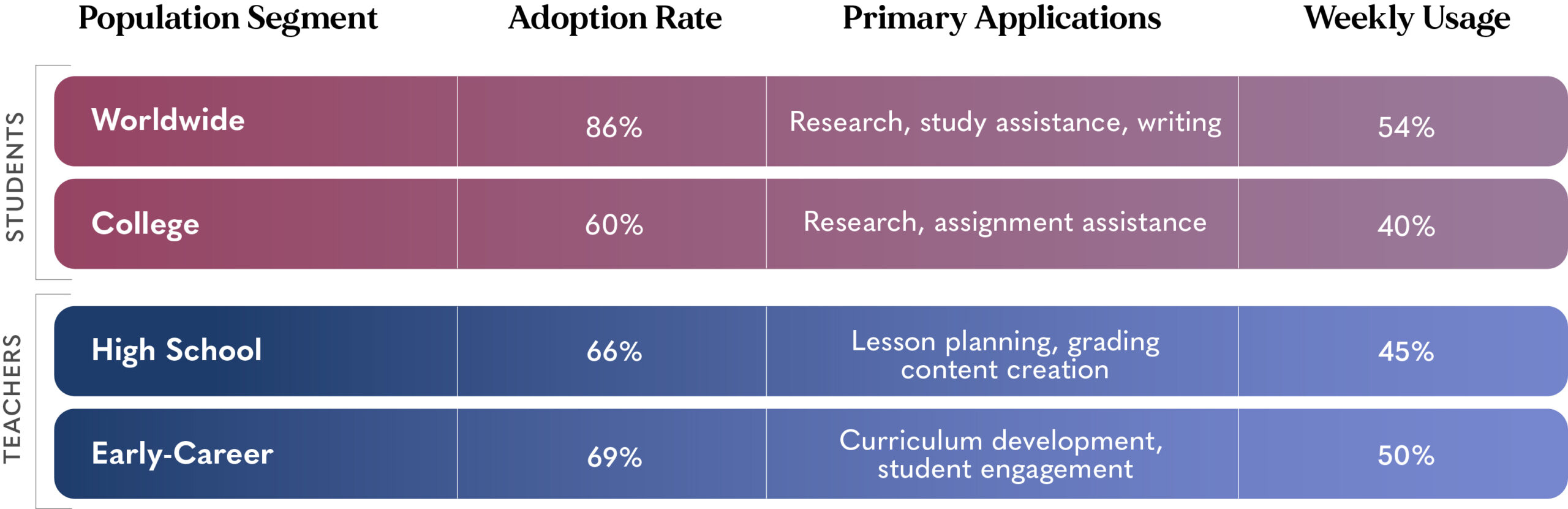
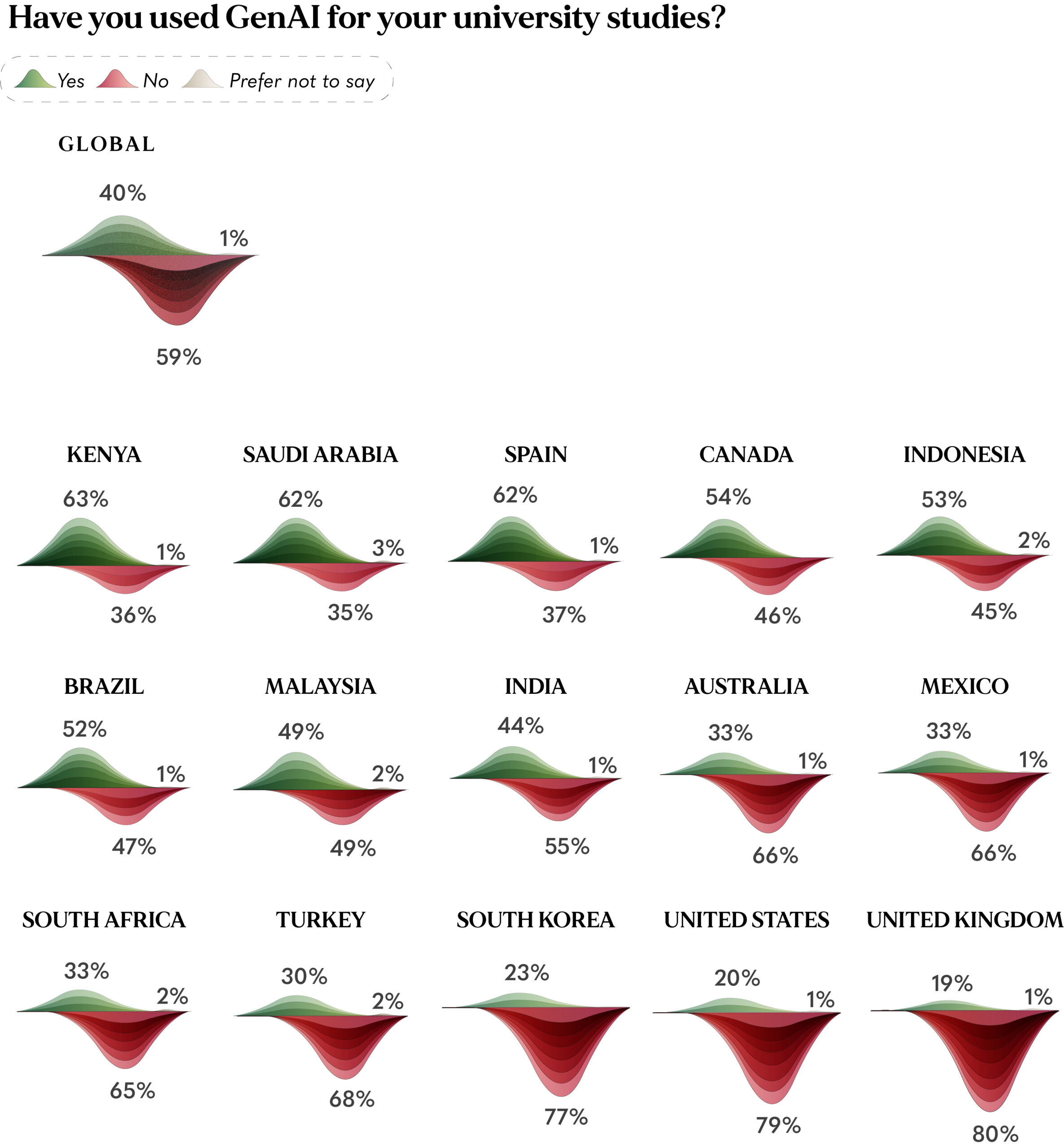
Adoption is broad, but among college students the shift is particularly sharp: GenAI has become the default starting point for academic work.
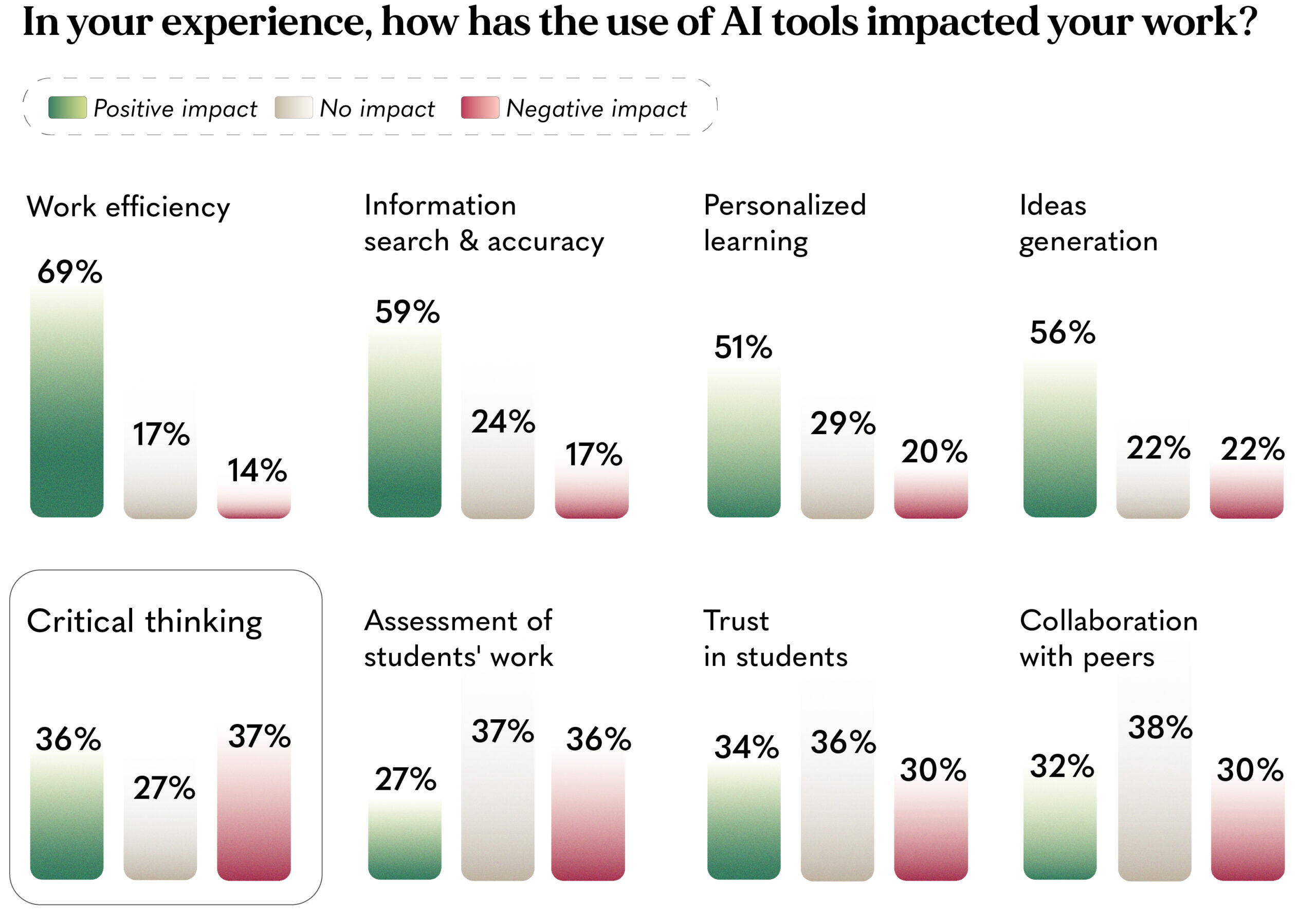
The data on adoption tells us how many. The data on impact tells us at what cost.
Students widely recognize that AI boosts efficiency—but critical thinking, the core skill education is meant to build, is the dimension most frequently reported as negatively affected.
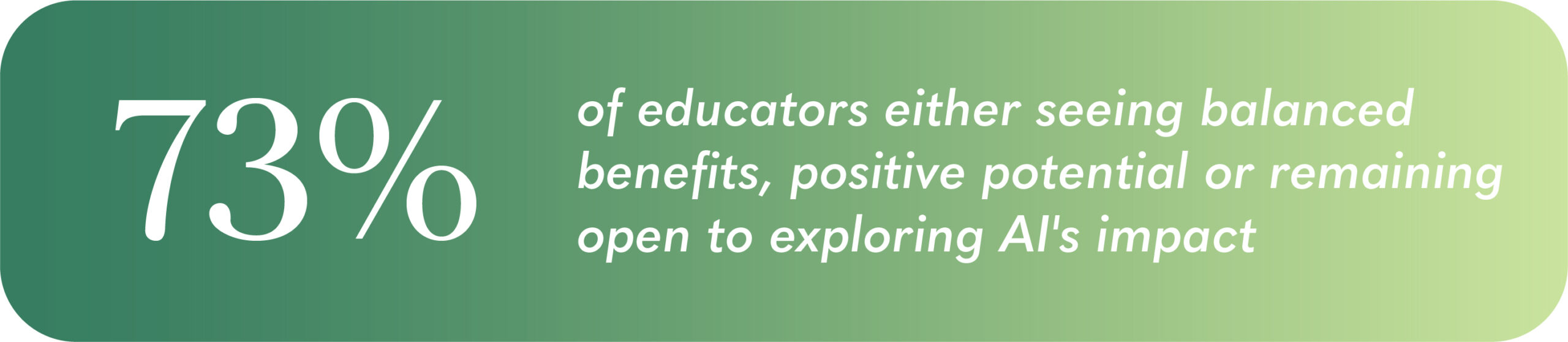
Teachers see the same picture. Rather than resisting AI, most educators have moved past the binary debate of whether to allow it—the question now is how to integrate it responsibly.
Yet awareness hasn’t translated into action. The area where the gap is most visible is assessment: students know AI changes what it means to evaluate their work, and they want institutions to catch up.

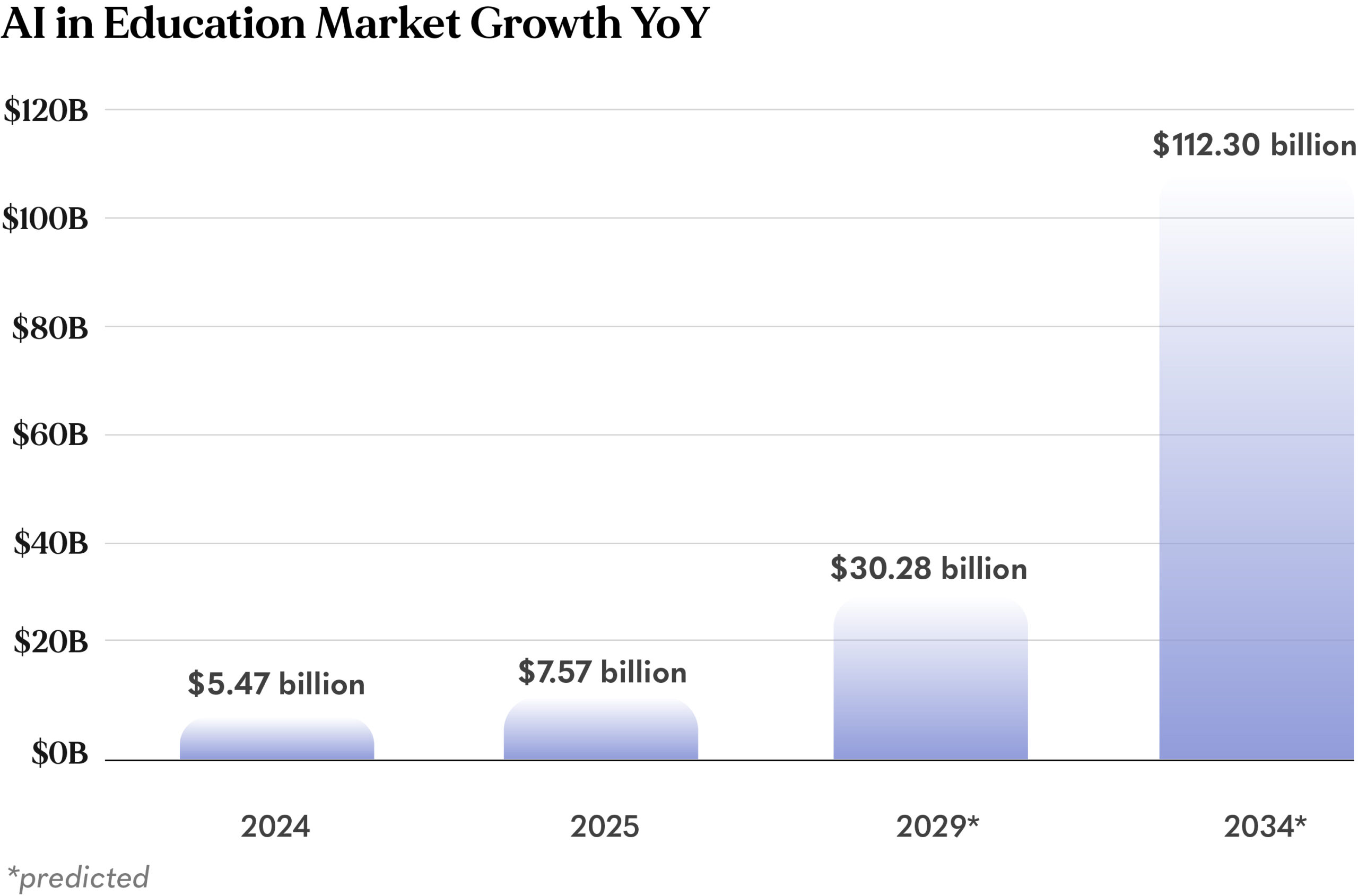
This isn’t only a pedagogical challenge—it’s also a rapidly expanding market. The financial stakes make the absence of governance even more significant.
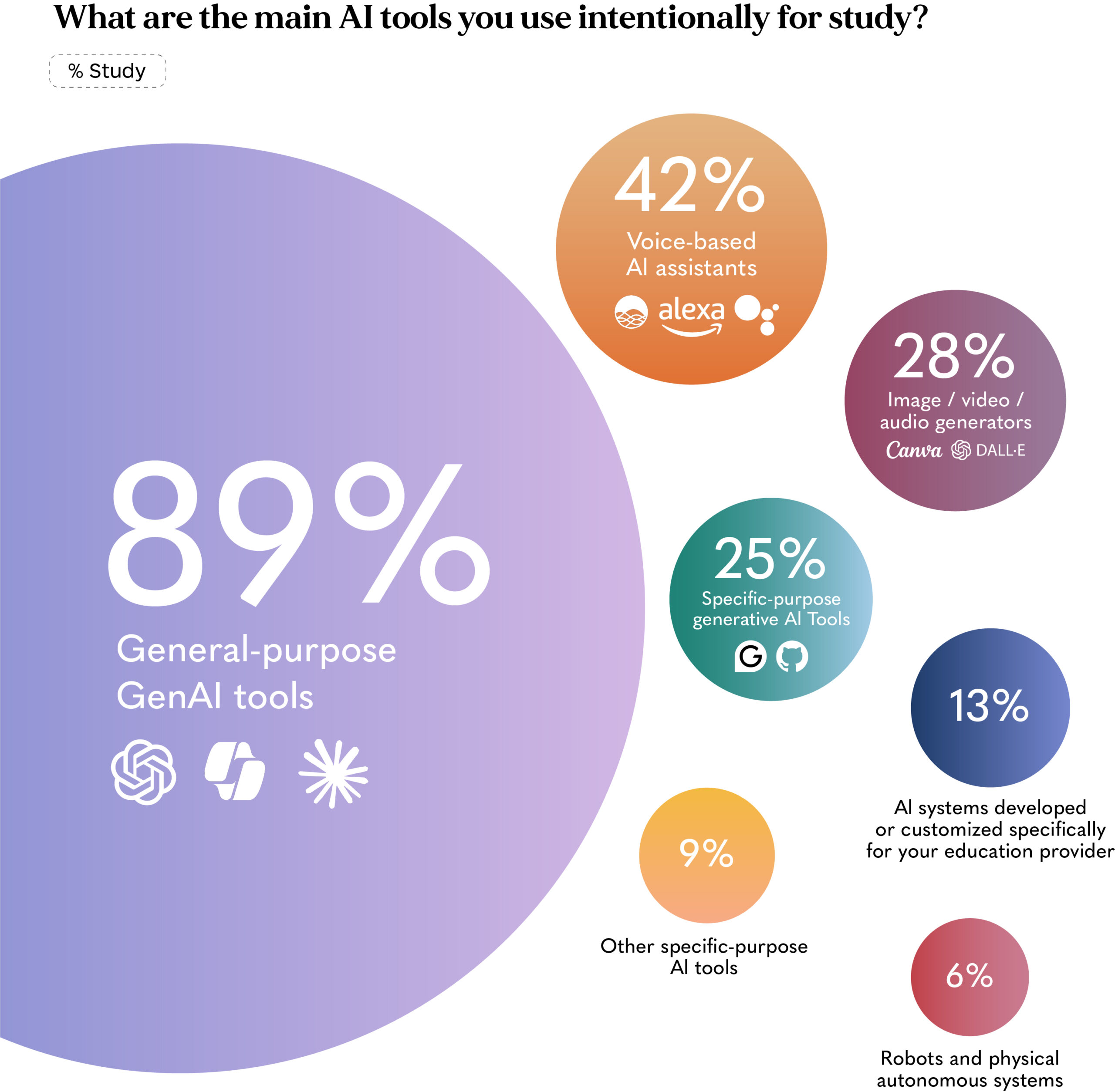
What’s driving adoption? Simplicity and cost. General-purpose GenAI tools dominate education precisely because they’re free and require no onboarding—not because institutions planned it that way.
And yet most institutions have no guidance in place. Students are navigating this alone. More than half of respondents either say their institution has no policy or don’t know if one exists.
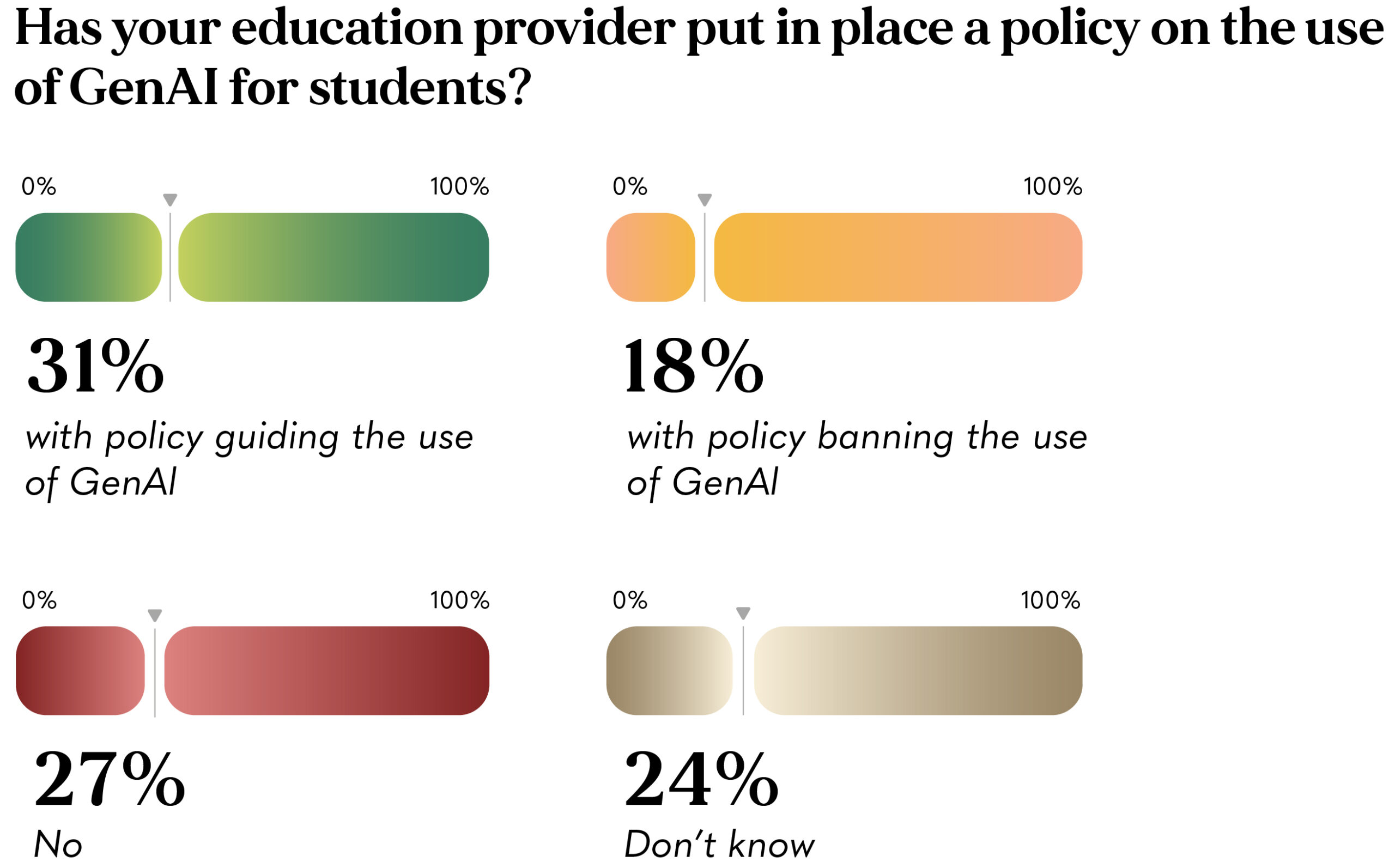
Among schools, only 10% have established clear guidelines, but students aren’t asking for a ban. They’re asking for clarity.
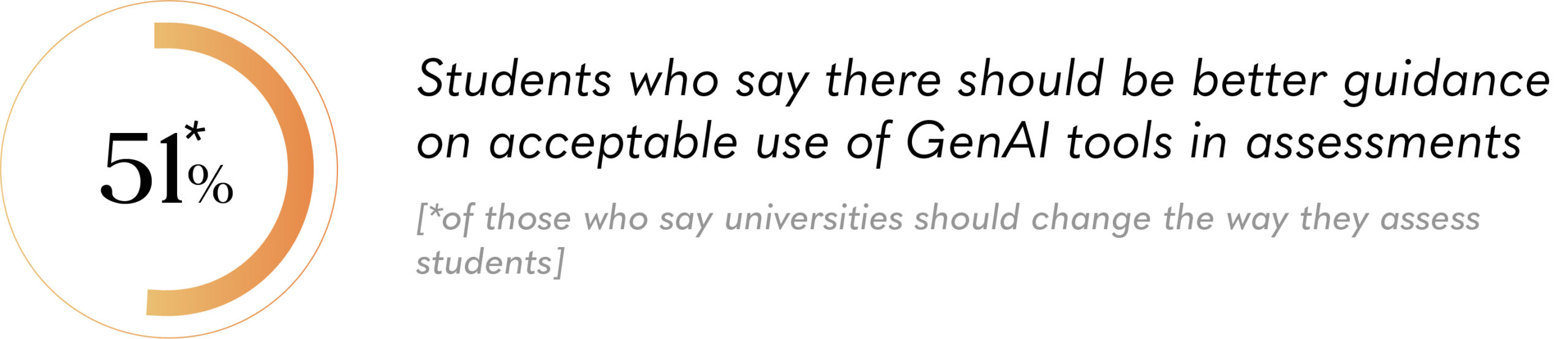
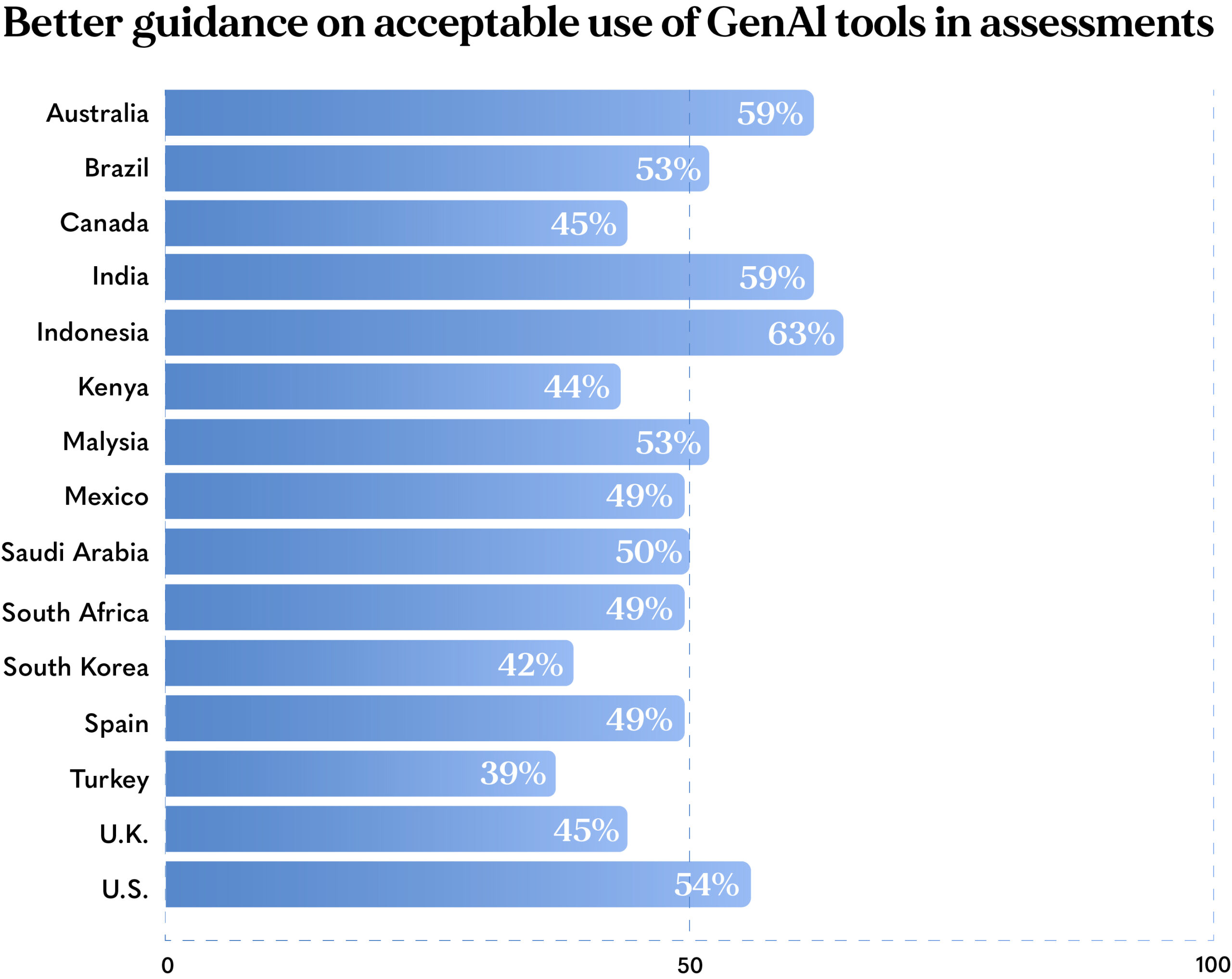
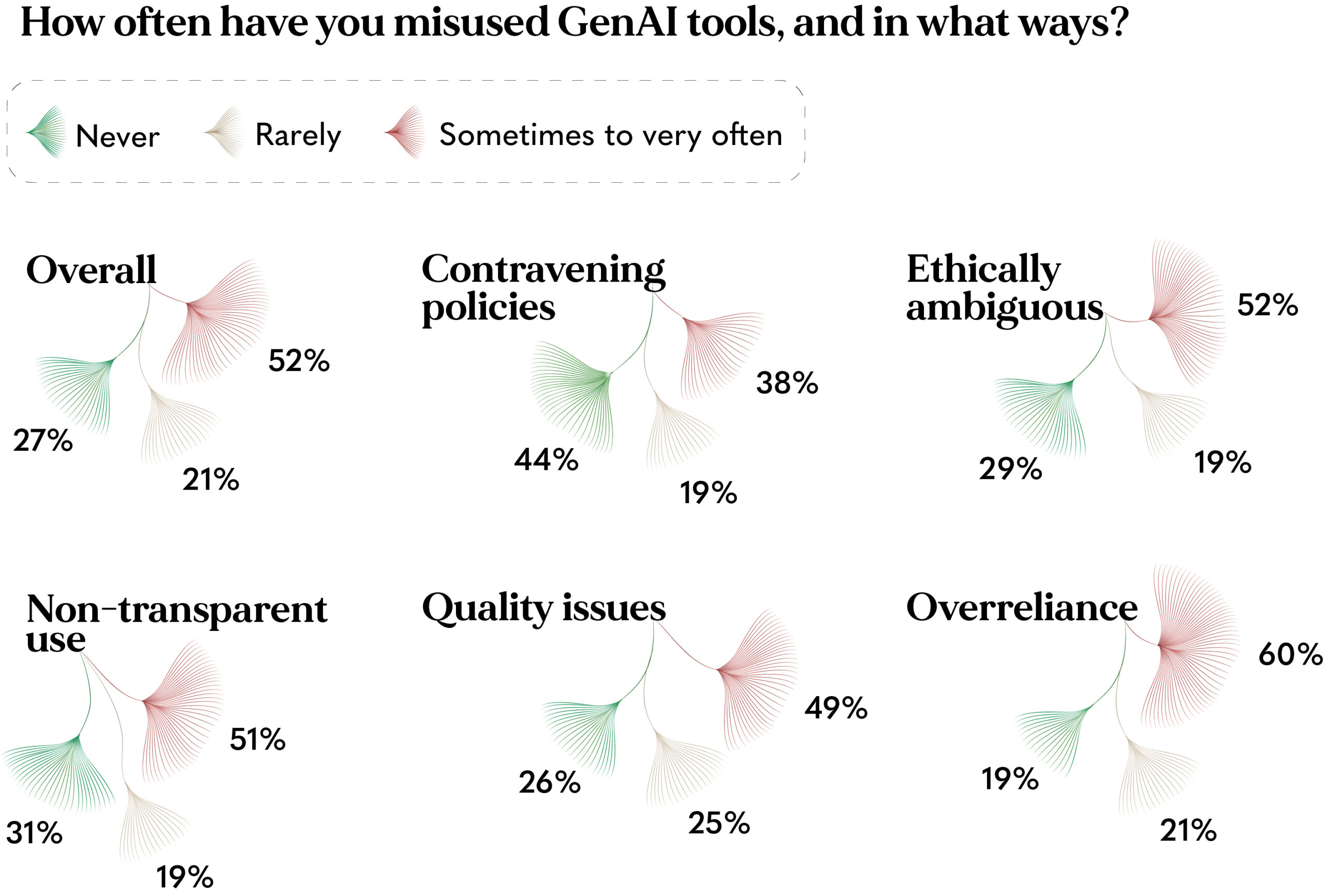
Without that clarity, the vacuum gets filled. Inappropriate and non-transparent use is widespread—not necessarily out of bad intent, but because the boundaries were never drawn.
The response from institutions is emerging, but unevenly. Where guidance exists, students report meaningful support in understanding AI systems and using them responsibly—the foundation for something more structured.

None of this plays out the same way everywhere. Perception of AI in education is deeply shaped by geography—and the gap between regions is striking: in Asia, AI is seen as a tool for opportunity; in Western countries, skepticism still dominates.
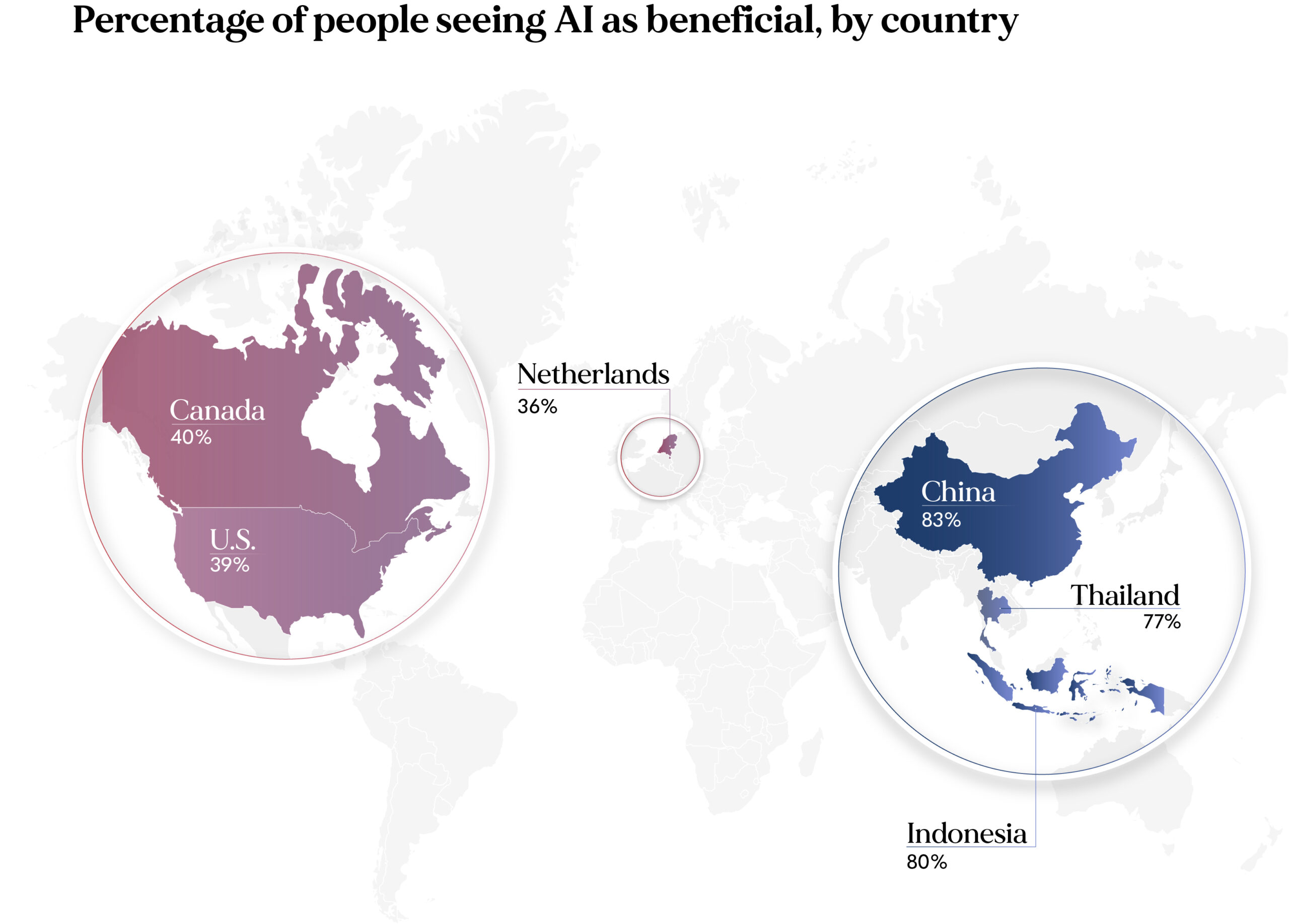
Understanding why requires looking at the regional picture more closely.
Europe
Europe’s classrooms have already made room for technology. App-based learning has taken hold across the continent.
But app-based learning and GenAI are not the same shift. The first was largely institution-led. The second is arriving faster, and less evenly. In-class GenAI usage remains limited in most European countries.
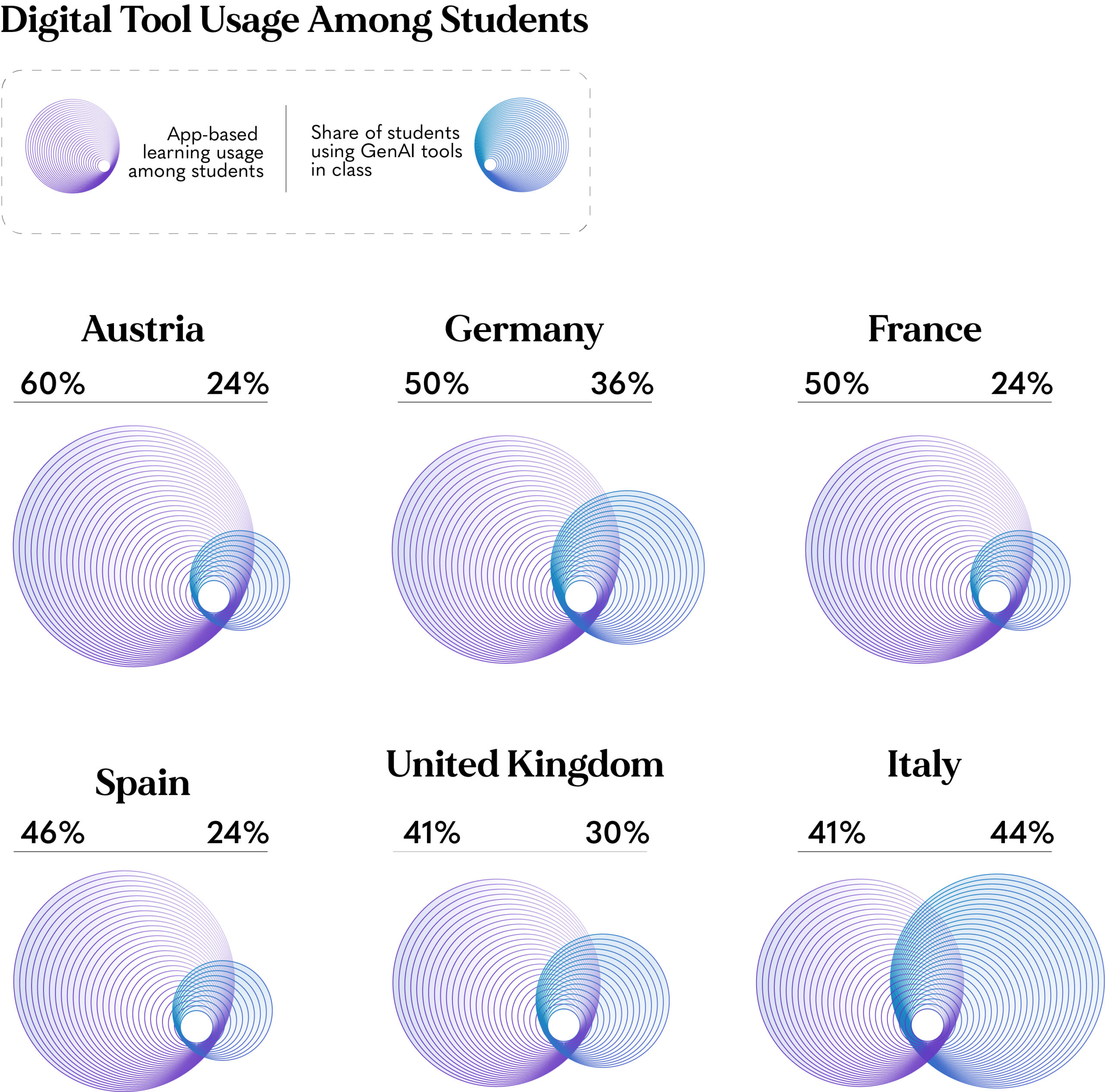
The reason isn’t student reluctance. It’s teacher preparedness.
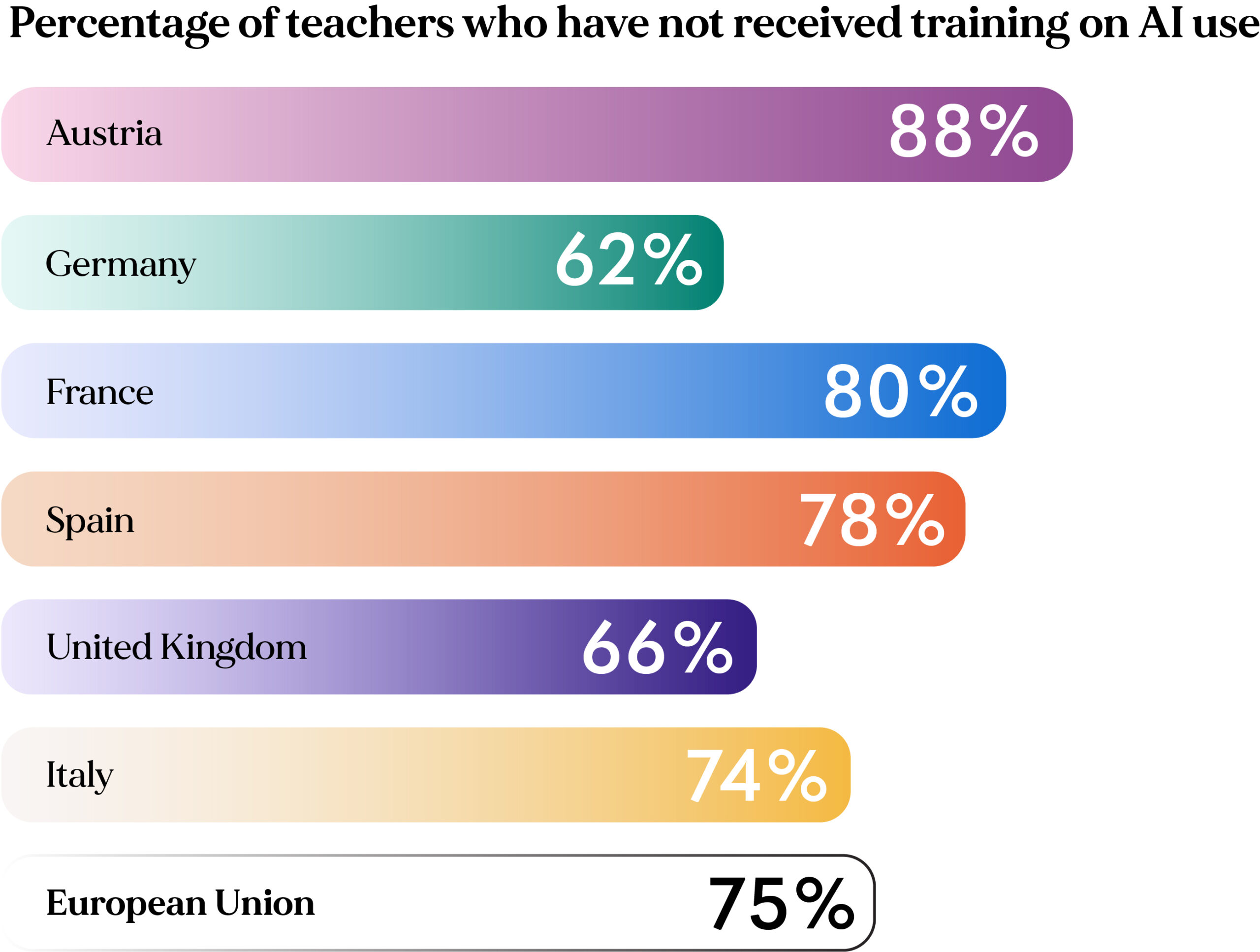
What makes this gap more significant is that teachers themselves understand the stakes. Across Europe, a substantial share believes AI access isn’t just a pedagogical question—it’s a matter of rights.
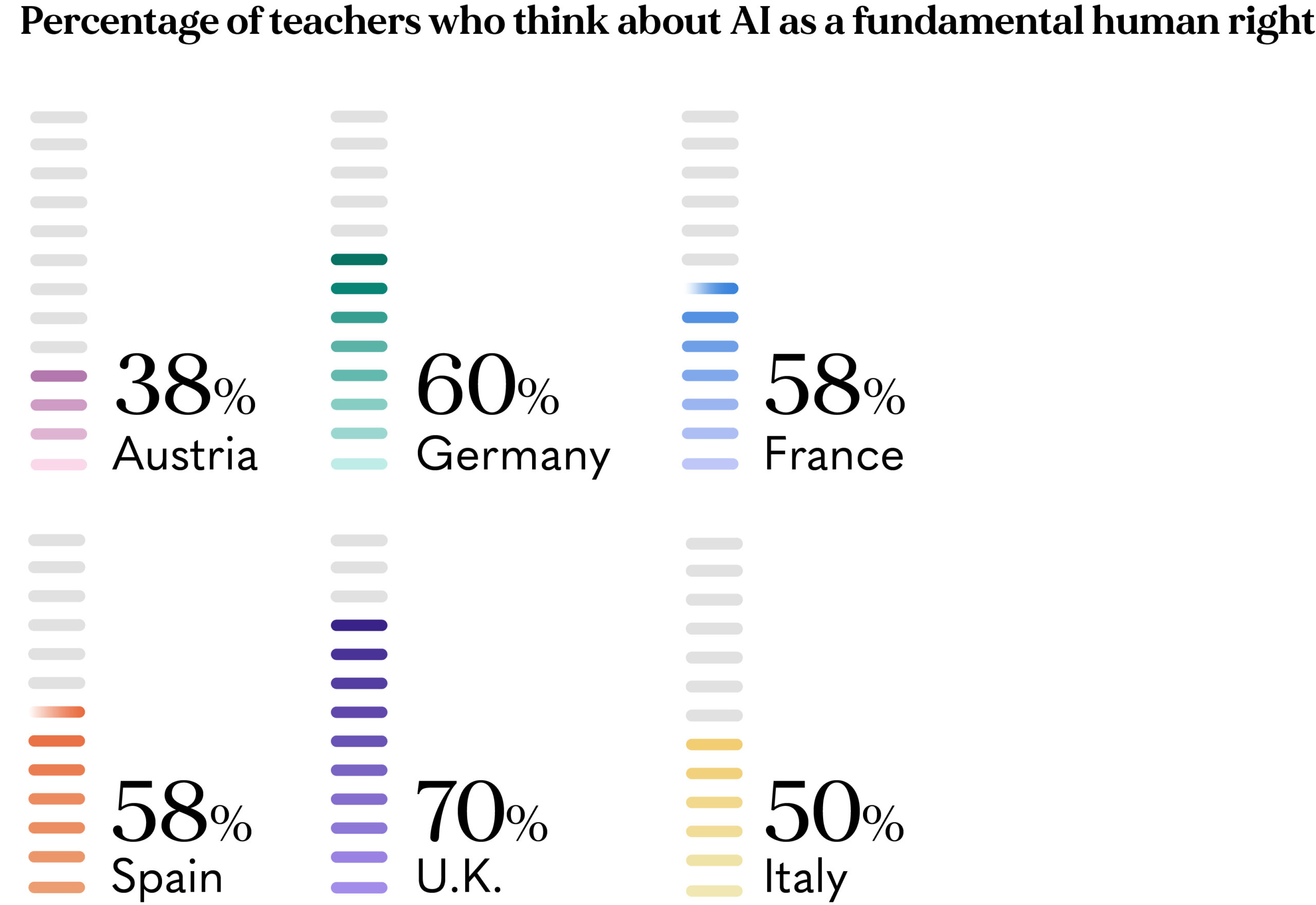
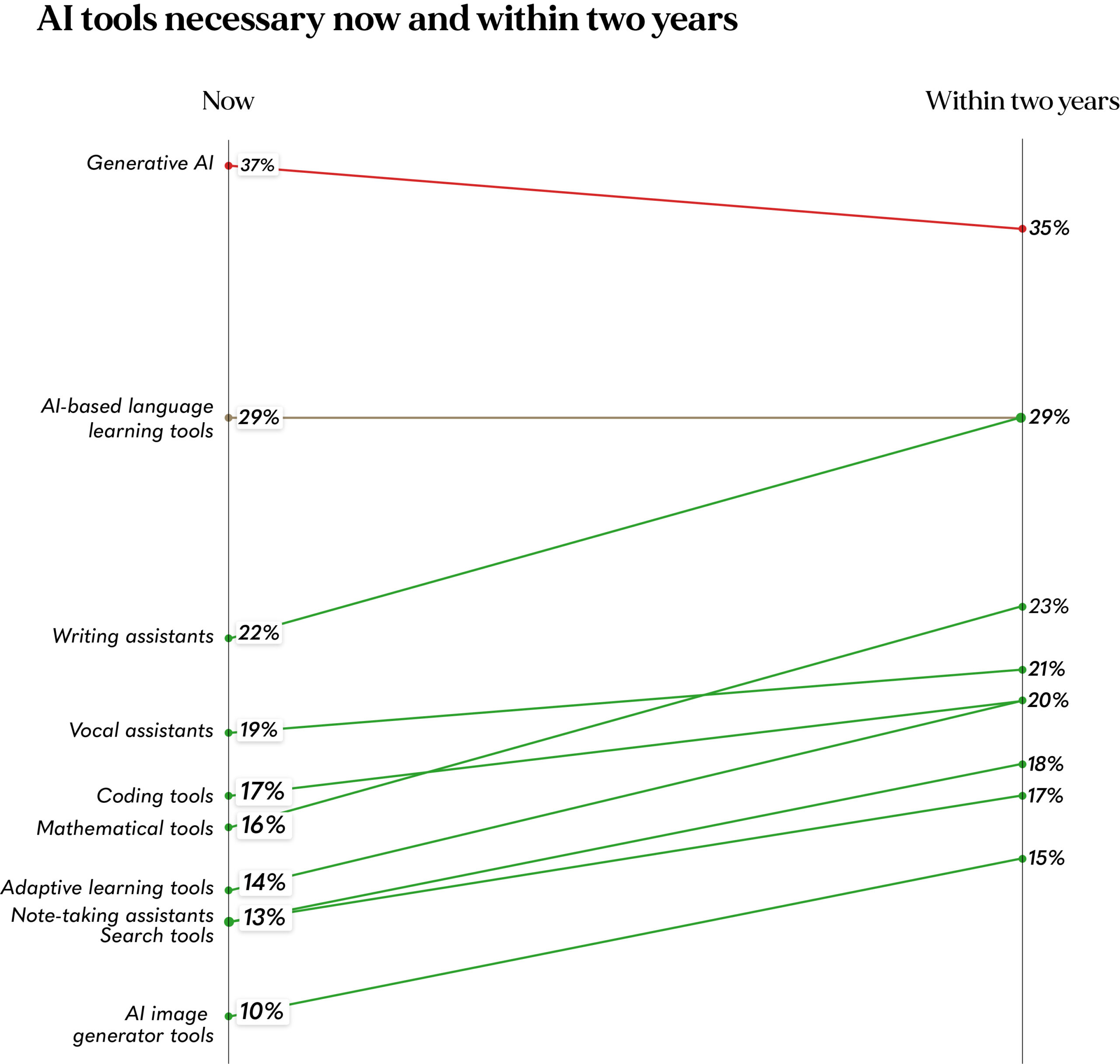
That conviction points to where Europe is heading. The question is no longer whether AI belongs in education—it’s which tools, and for what purpose.Generic GenAI is already plateauing in perceived necessity.
What’s rising is more specific: mathematical tools, writing assistants, and adaptive learning tools. That requires a different kind of literacy—one that Europe’s classrooms are not yet equipped to teach.
United States
In the U.S., adoption is much more disruptive, widespread, and—most importantly—growing.
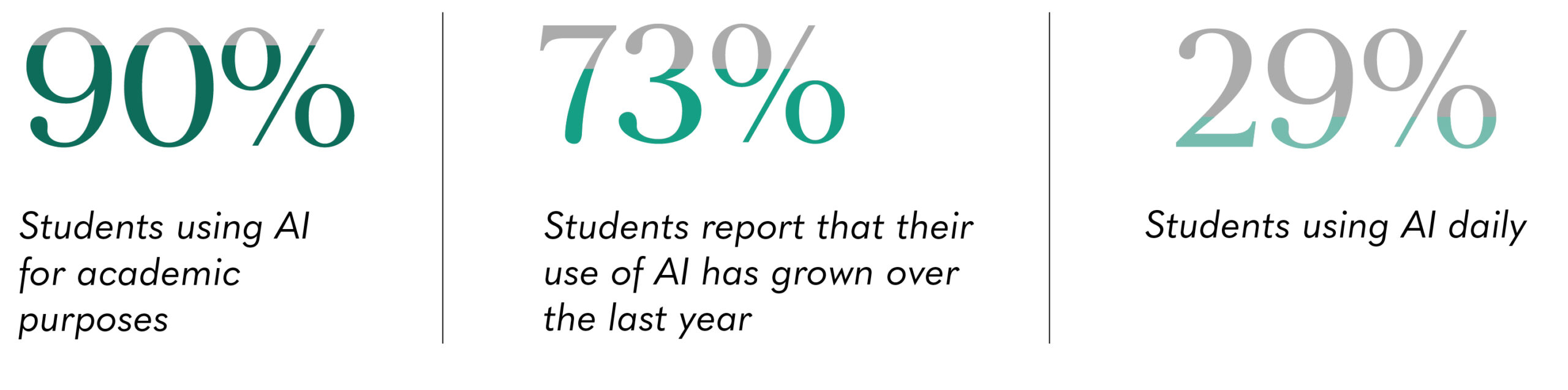
The main areas of adoption relate to writing, research, and brainstorming, making the generic tools the most popular among students. As of May 2025, 69% of high-school students reported using ChatGPT the most.
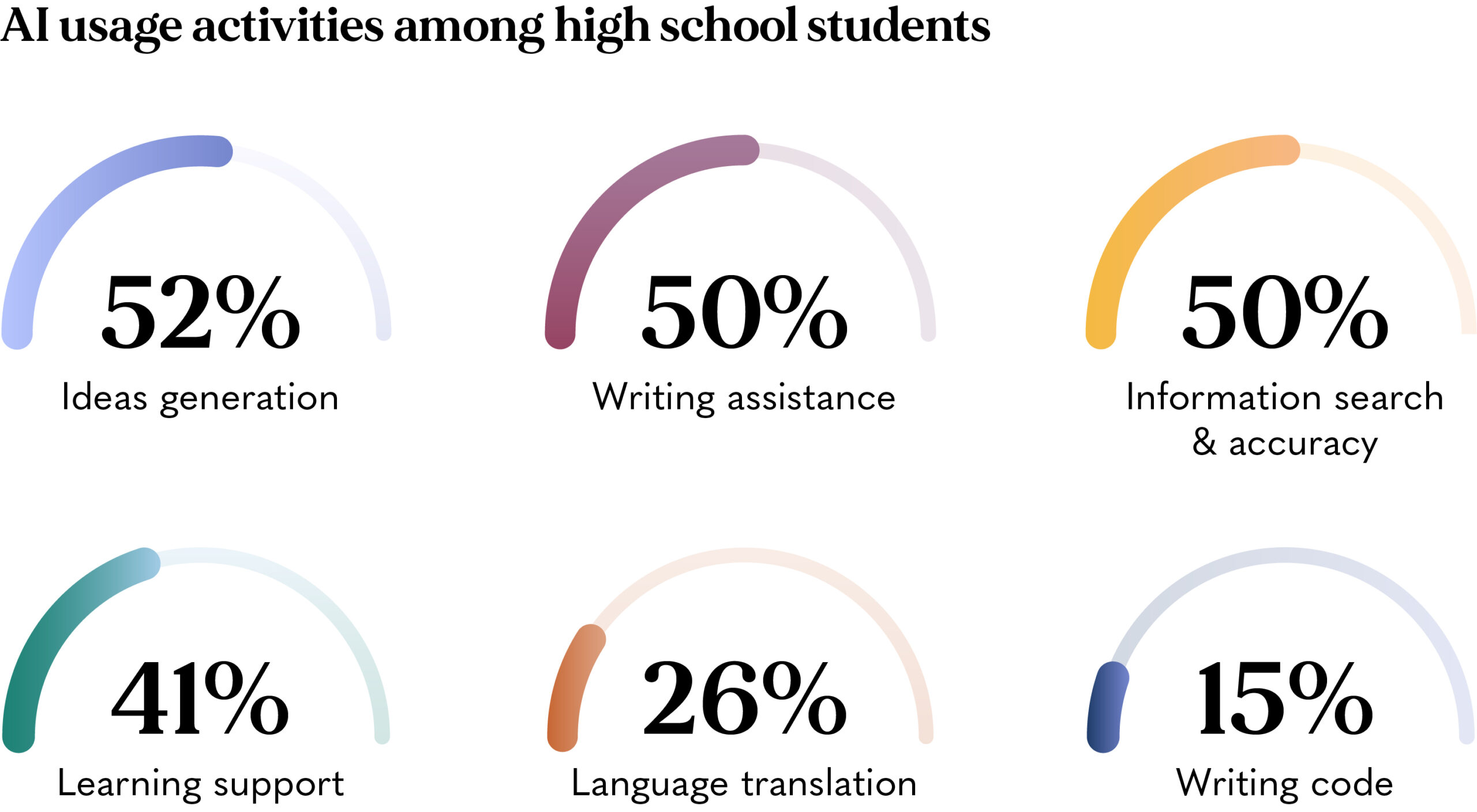
What stands out the most among the perceived benefits is overall efficiency and support in comprehension—strictly connected to the actual limits of education in the U.S.
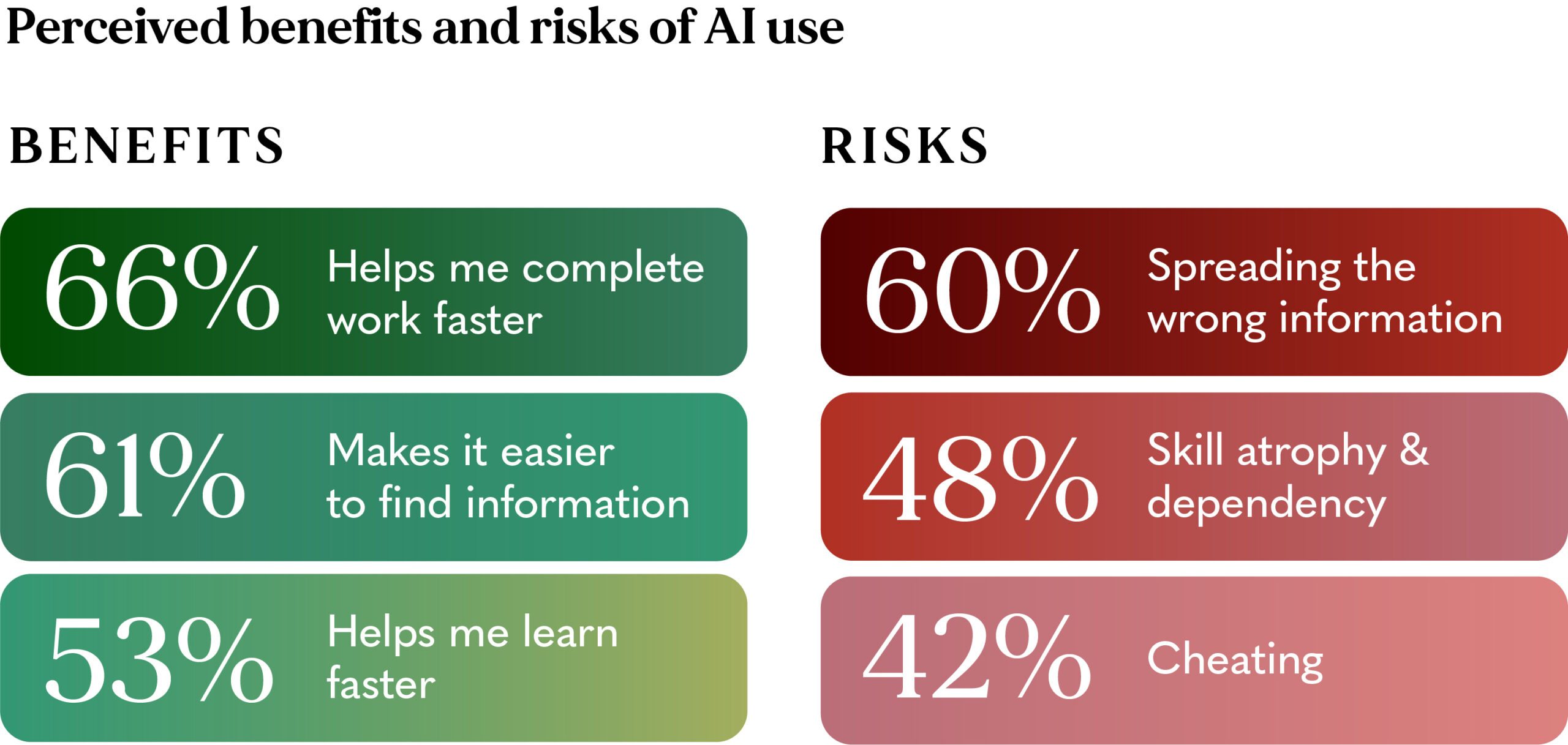
However, despite the widespread adoption and the perceived benefits, students are aware of the risks of these technologies.
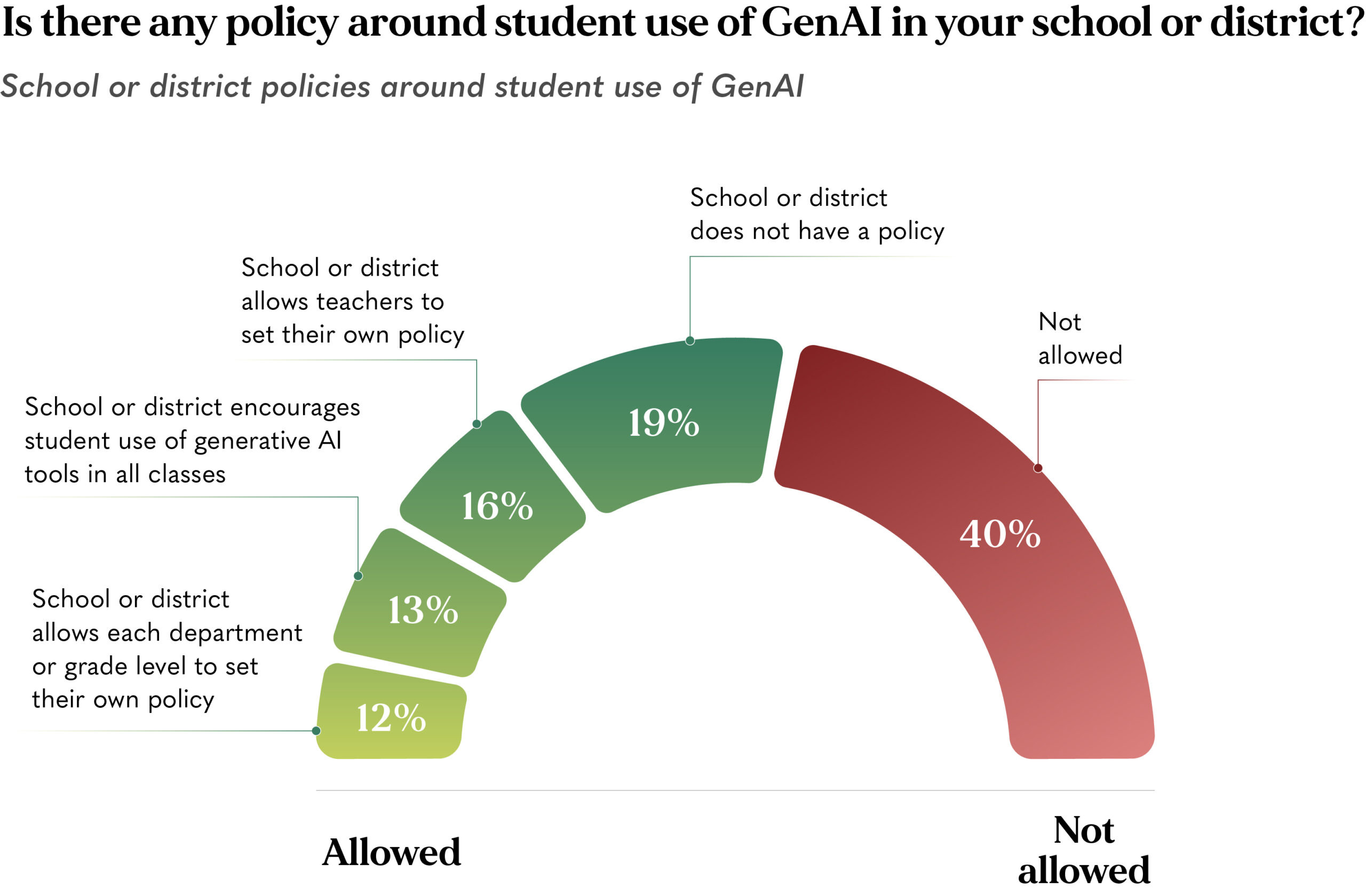
Meanwhile, policies on AI are still fragmented and local since many education providers set their own policies.
Taiwan
Even in Taiwan, AI usage and consciousness are widespread among many students, even the youngest.
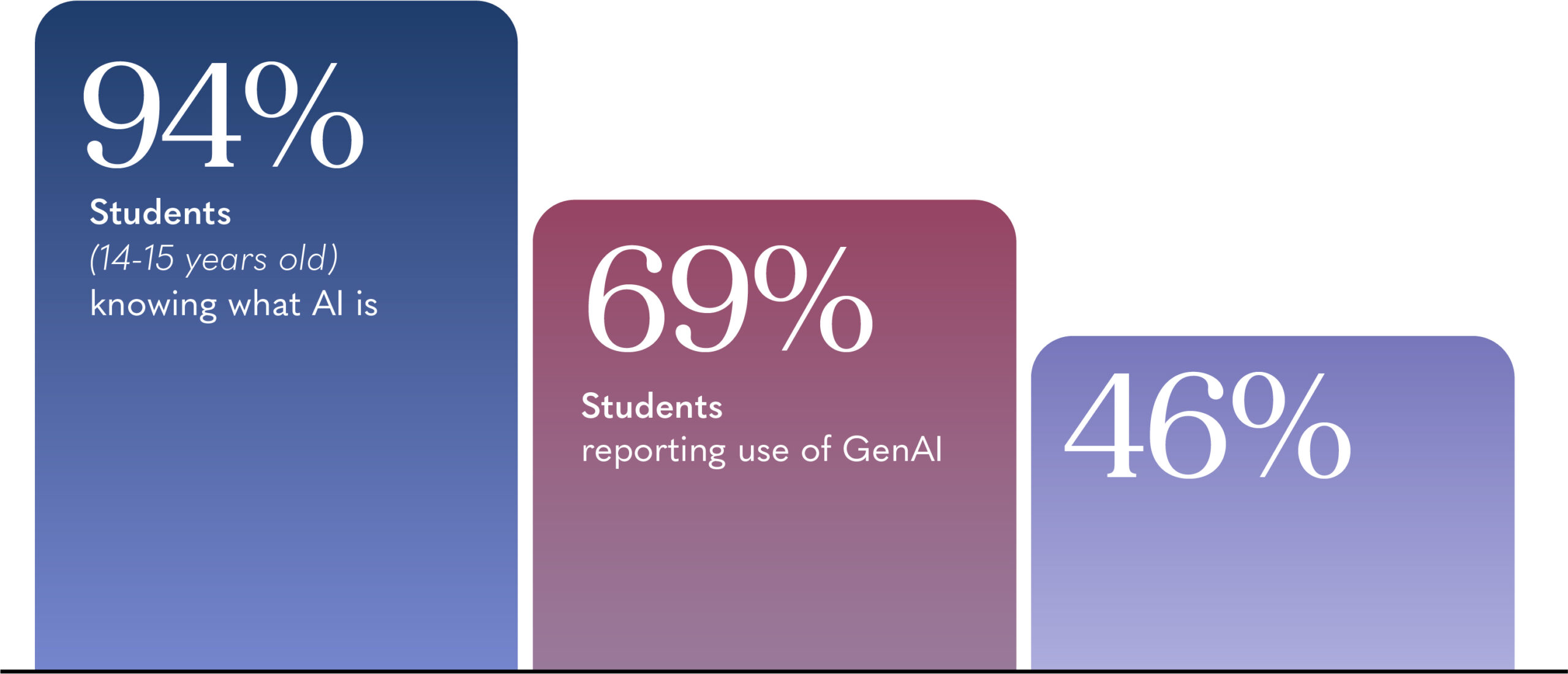
This diffusion is consequential to a relevant guidance teachers are giving to the students in the classrooms.

What’s really interesting is how students perceive AI literacy in their learning paths.
In fact,

Global South
Latin America
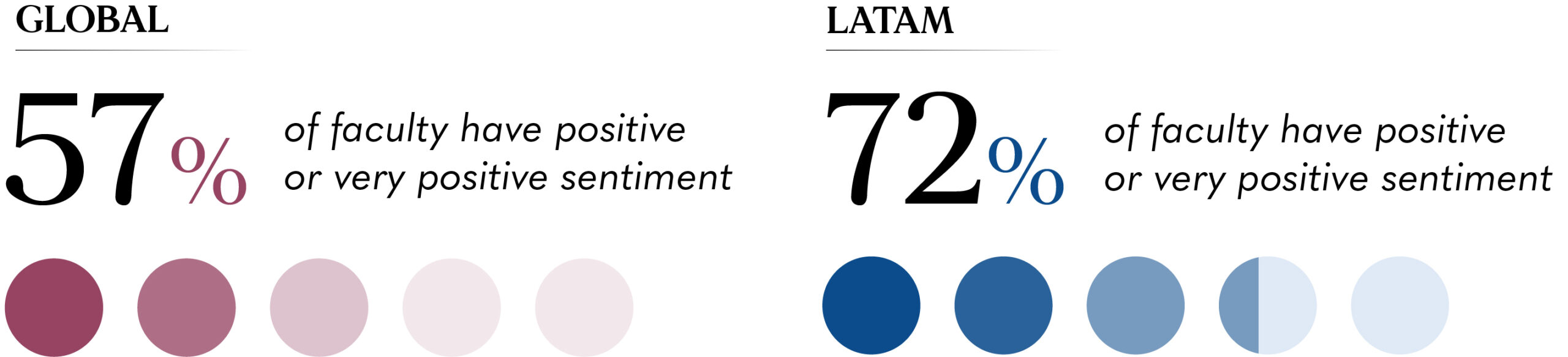
The adoption of AI in Latin American higher education is already widespread, with both faculty and students expressing more positive attitudes than the global average, suggesting that the region is emerging as a central hub in the expansion of AI use in education.
As for teachers
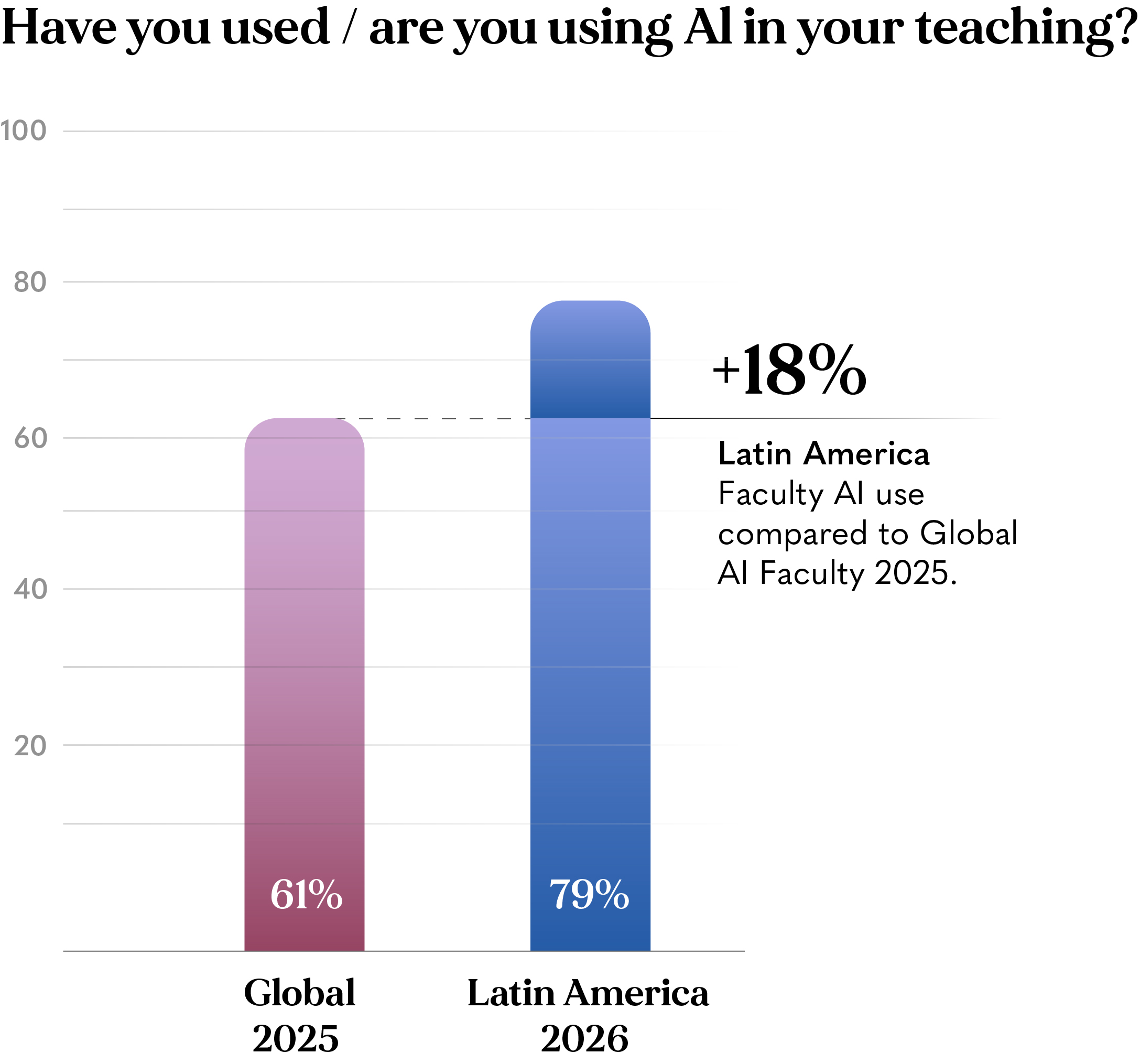
In fact, faculty AI adoption is growing fast
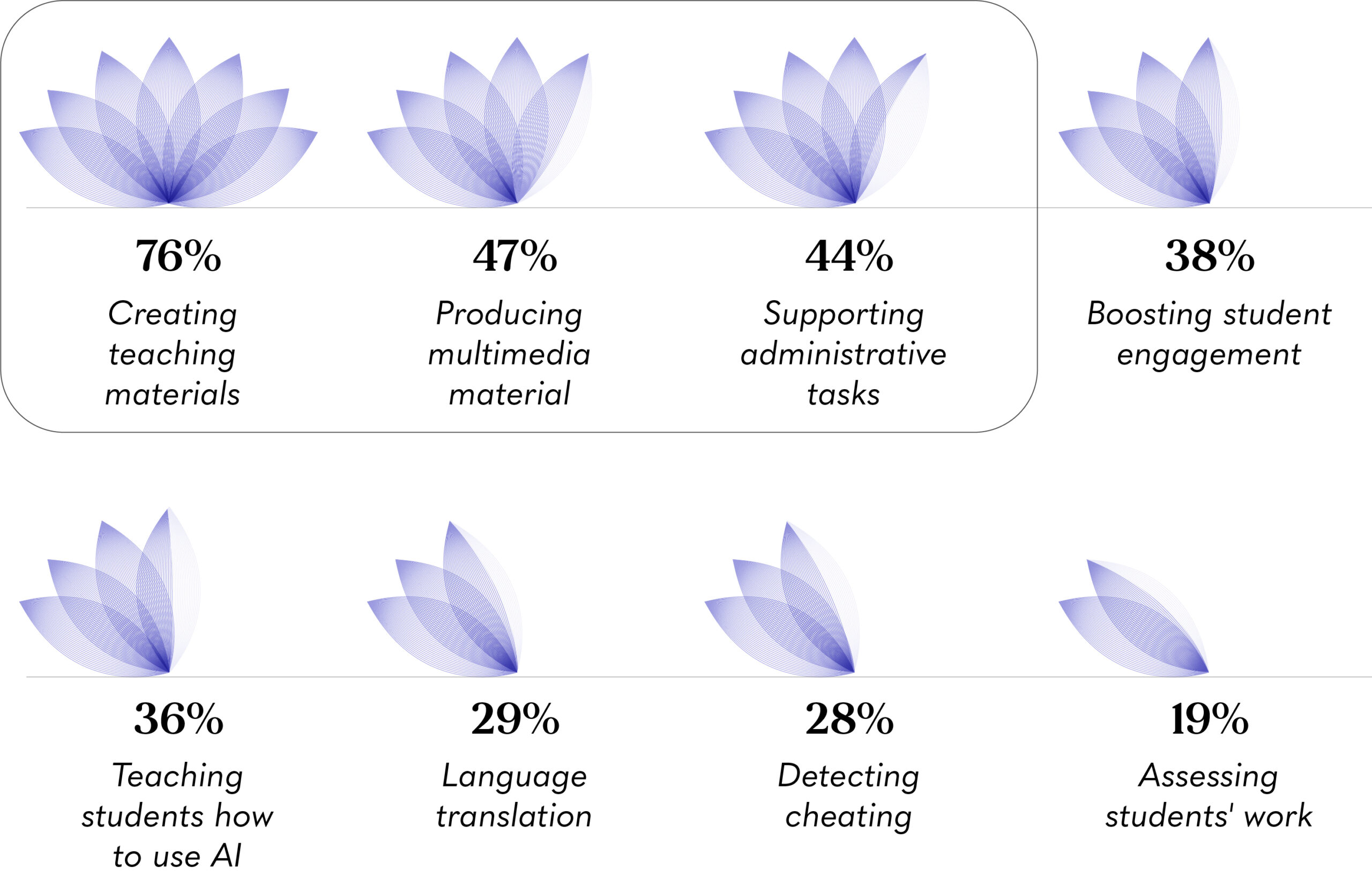
The usage is still focusing on increasing efficiency, rather than changing pedagogy and methods
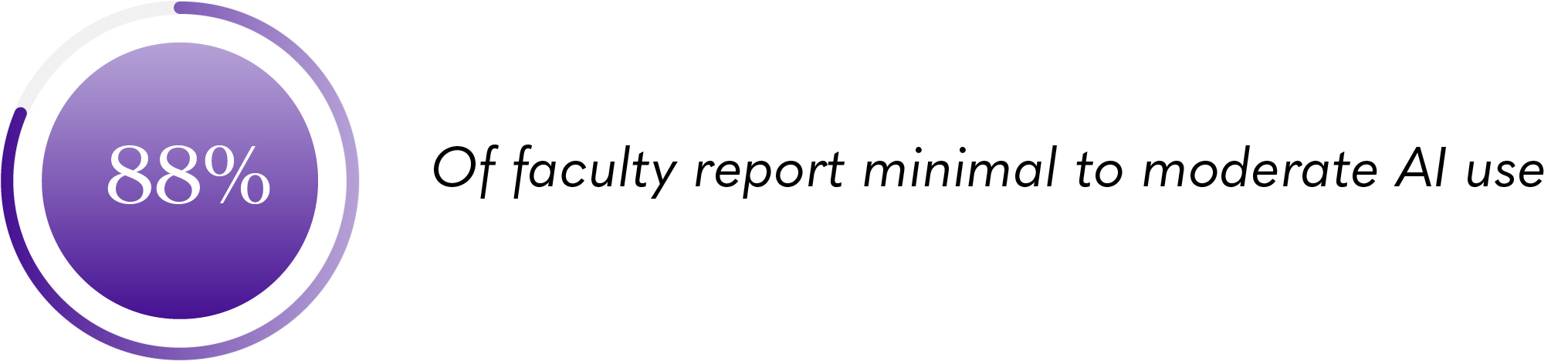
Indeed, usage remains conservative, signaling a cautious approach to AI integration in teaching
But for the vast majority of the respondents, the limits start at an institutional level

Meanwhile, some concerns are arising among the teaching community
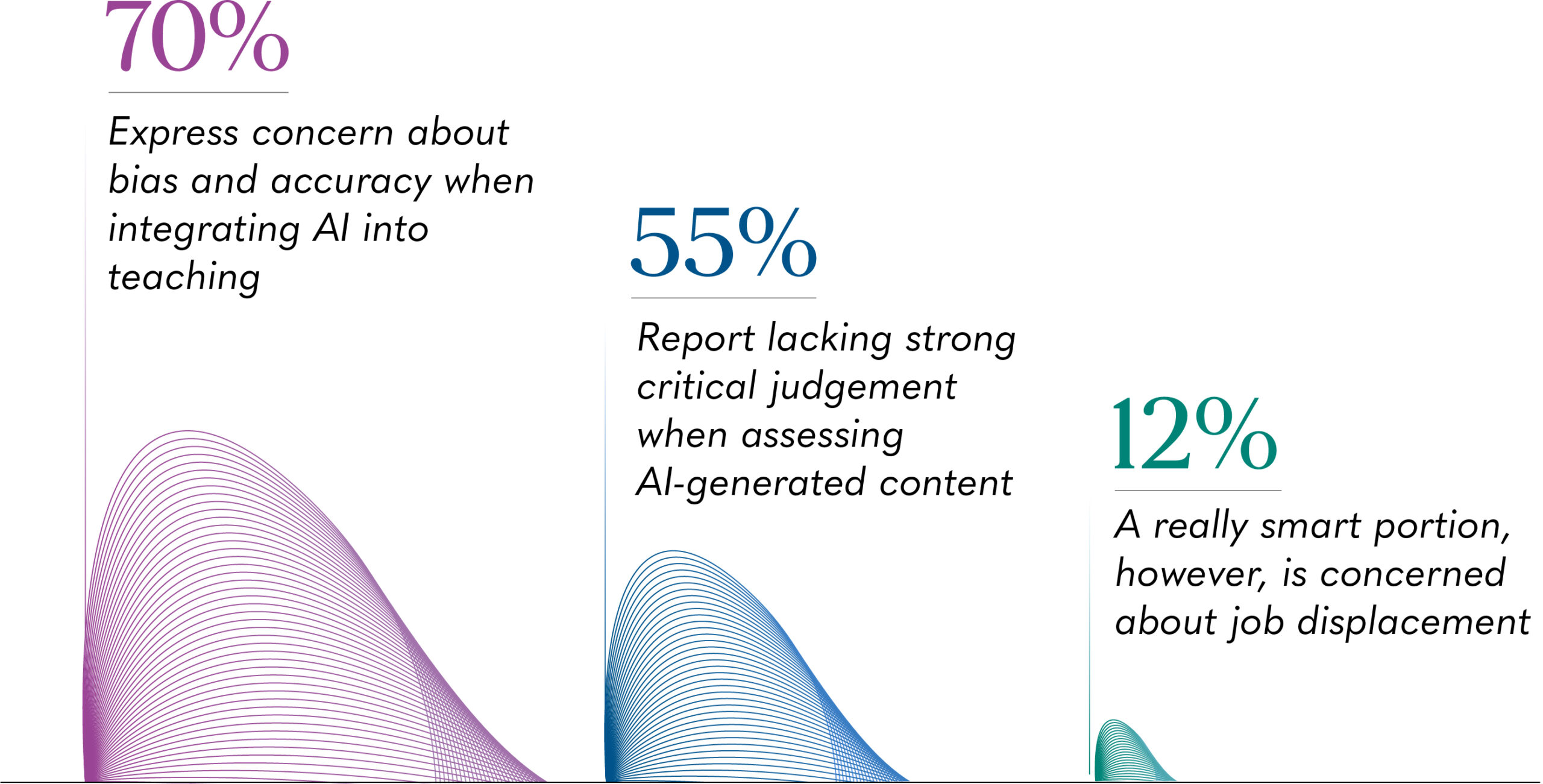
This figure suggests that concerns are more focused of AI adoption on a pedagogical level rather than economic one.
In fact, other concerns regards how students will perceive AI integration in their curricula
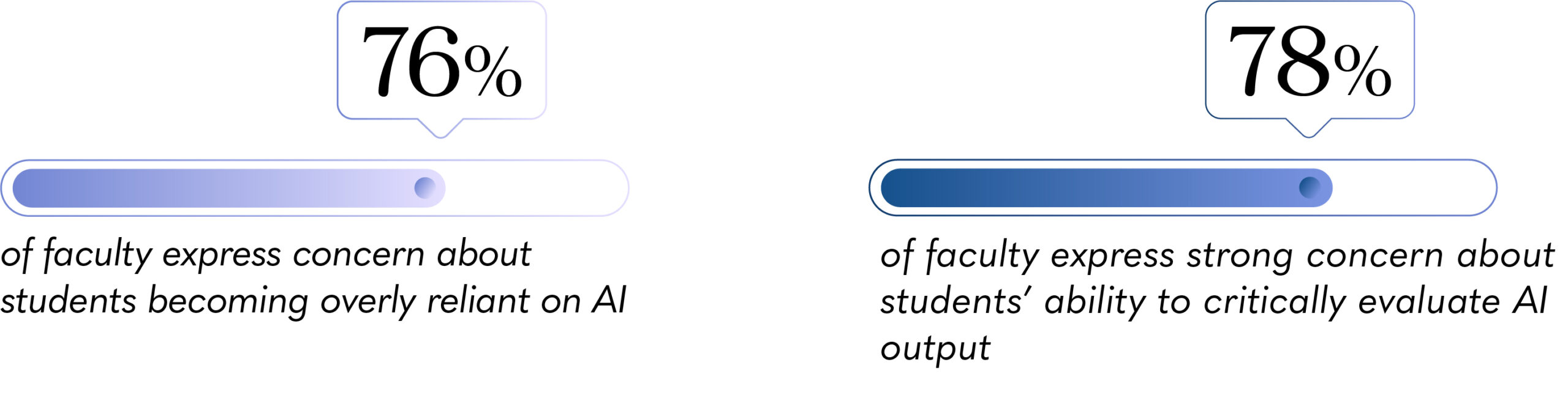
There’s no doubt that a big portion of faculty is aware of the future impact of these technologies
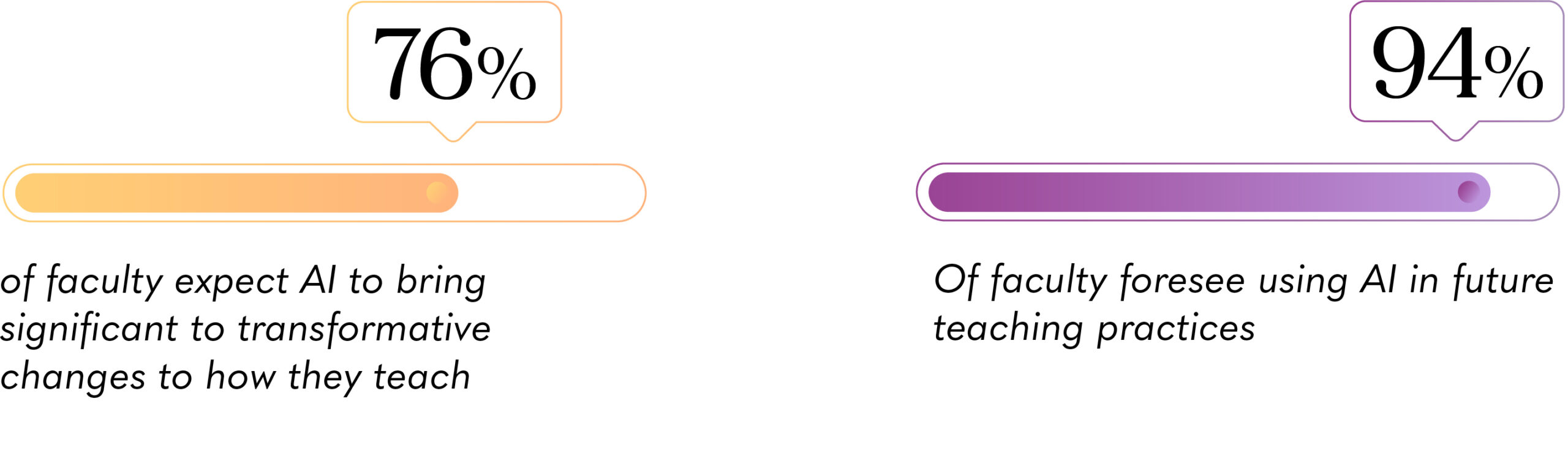
As for students
AI adoption for learning is higher than the global average.
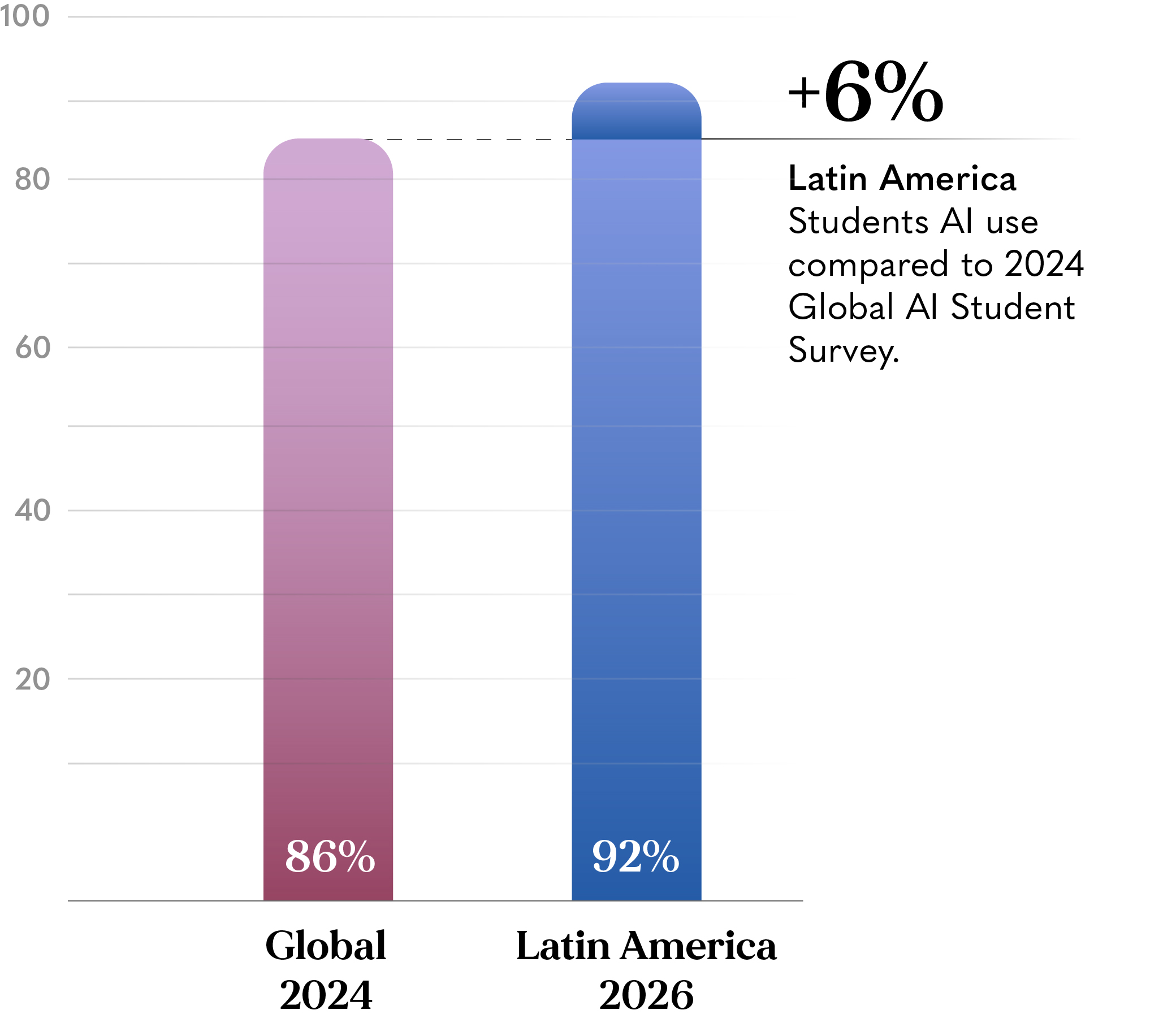
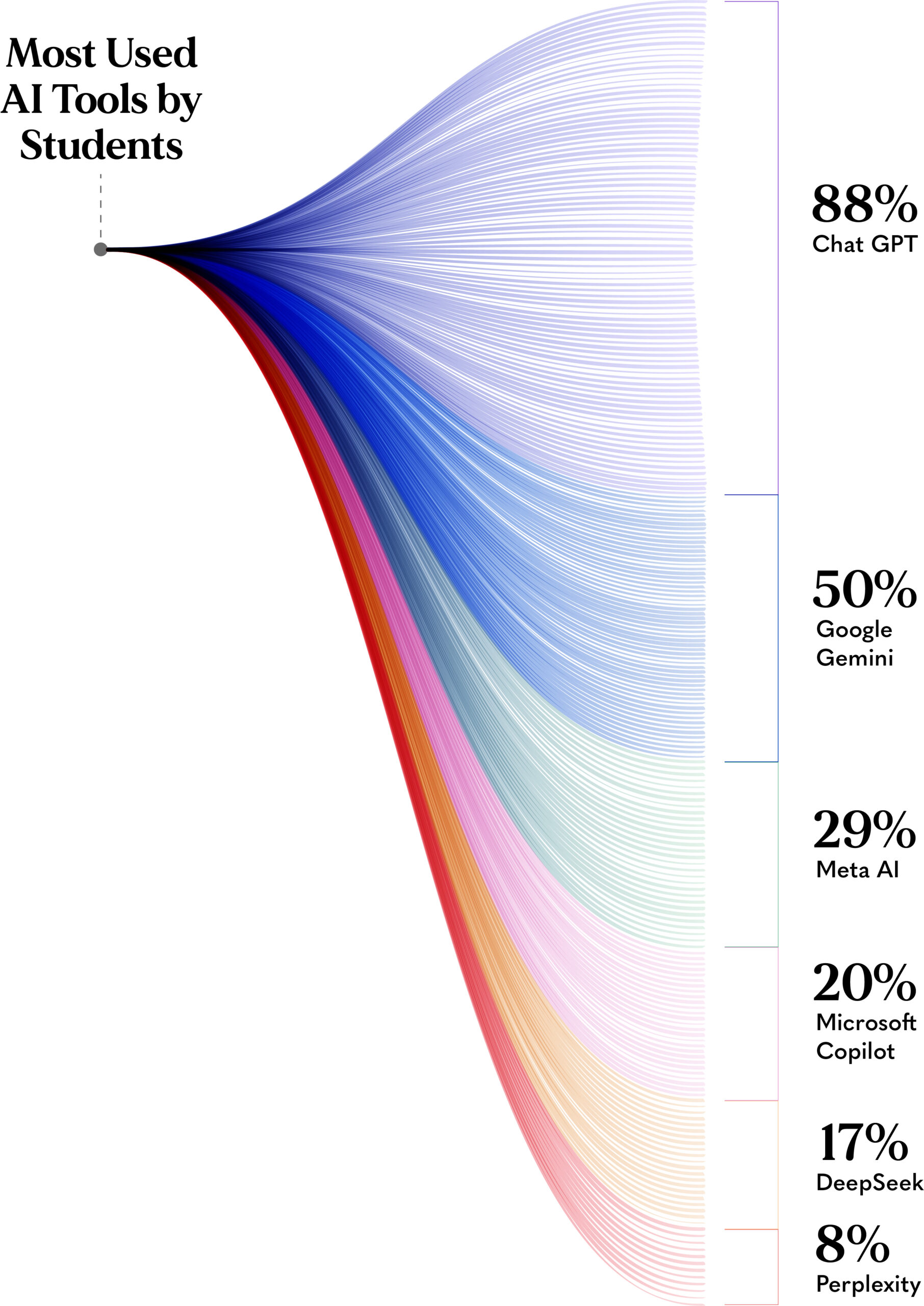
And the use of GenAI is frequent, with ChatGPT being the most widely used tool.

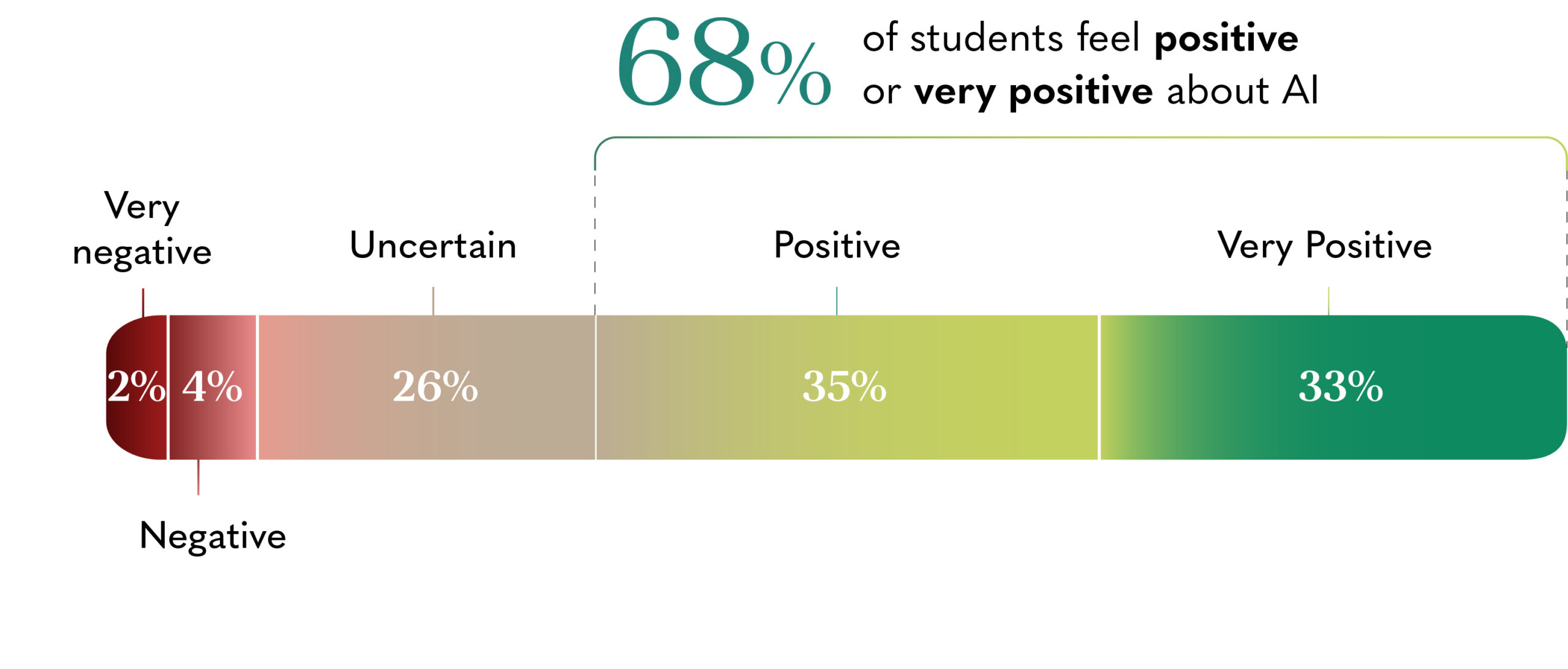
In fact, the overall sentiment toward AI in education is largely positive
And outright bans are increasingly misaligned with students’ expectations and everyday learning practices. In fact,

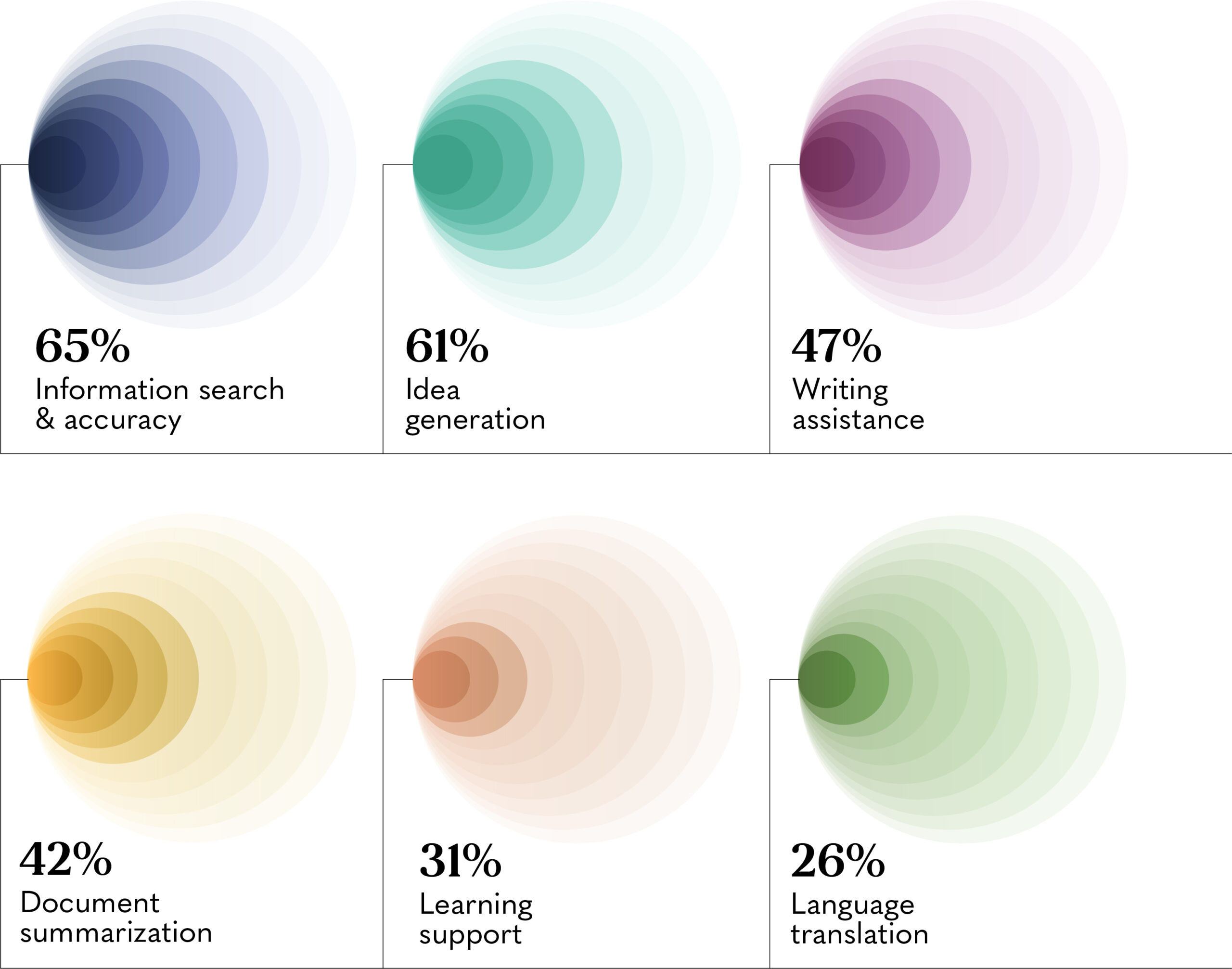
AI tools are used the most to search for information and to brainstorm ideas.
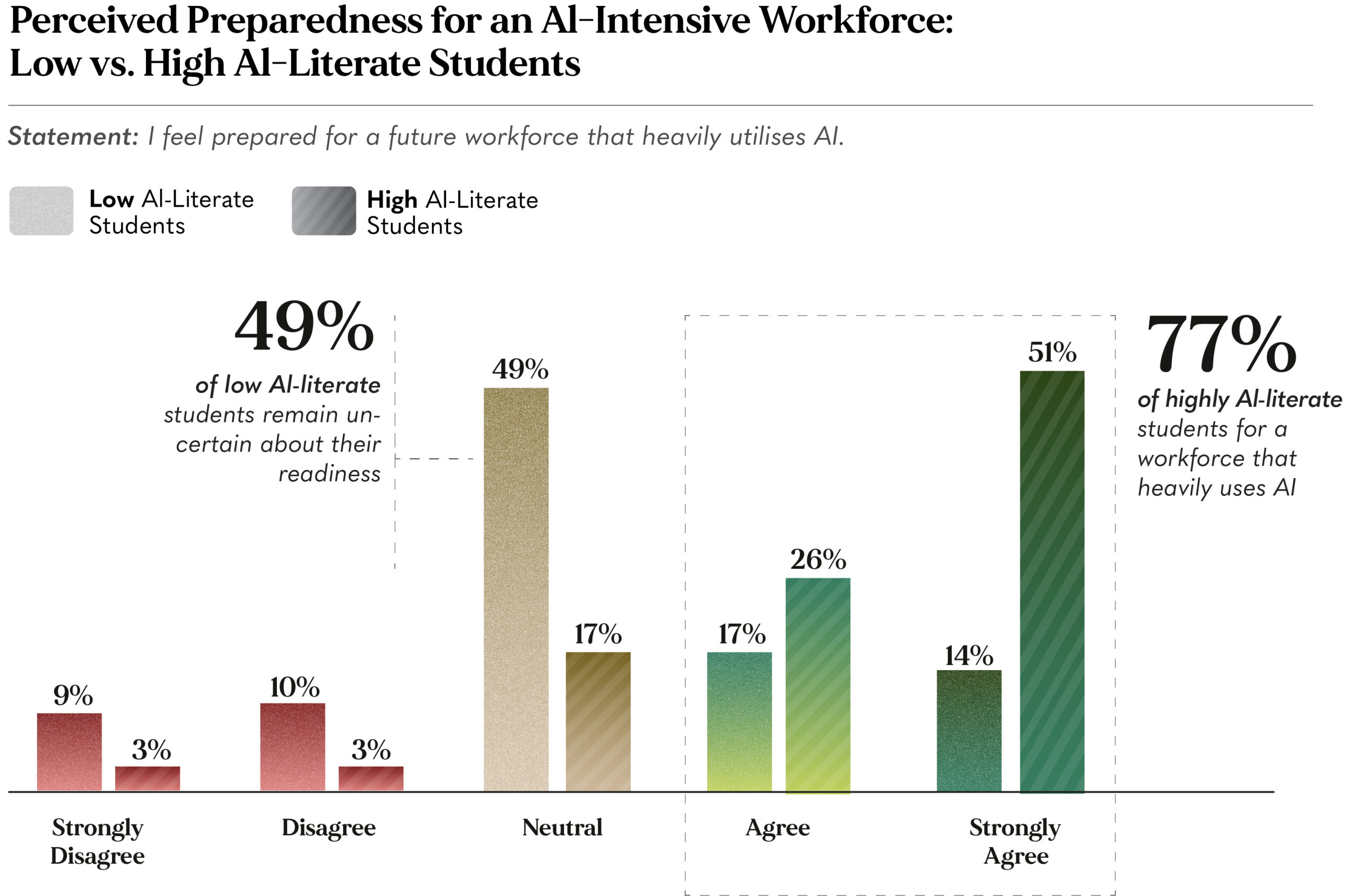
While the majority expect to use AI in their future work,

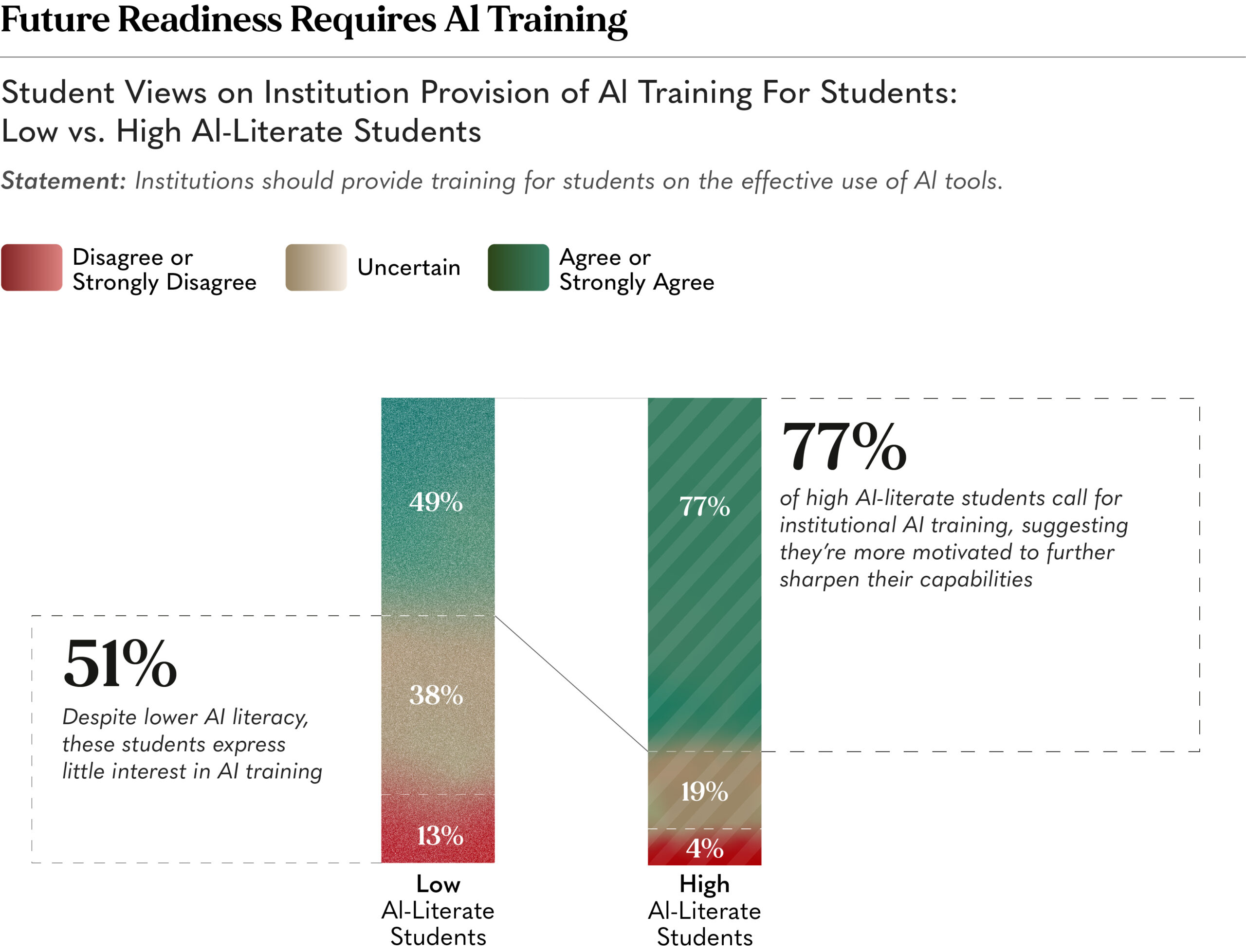
The confidence in doing so is highly related to their present AI literacy
But the respondents are also aware that AI literacy shouldn’t be an individual effort; it should be guided by education providers.
A necessity that is not always answered by the reality of facts
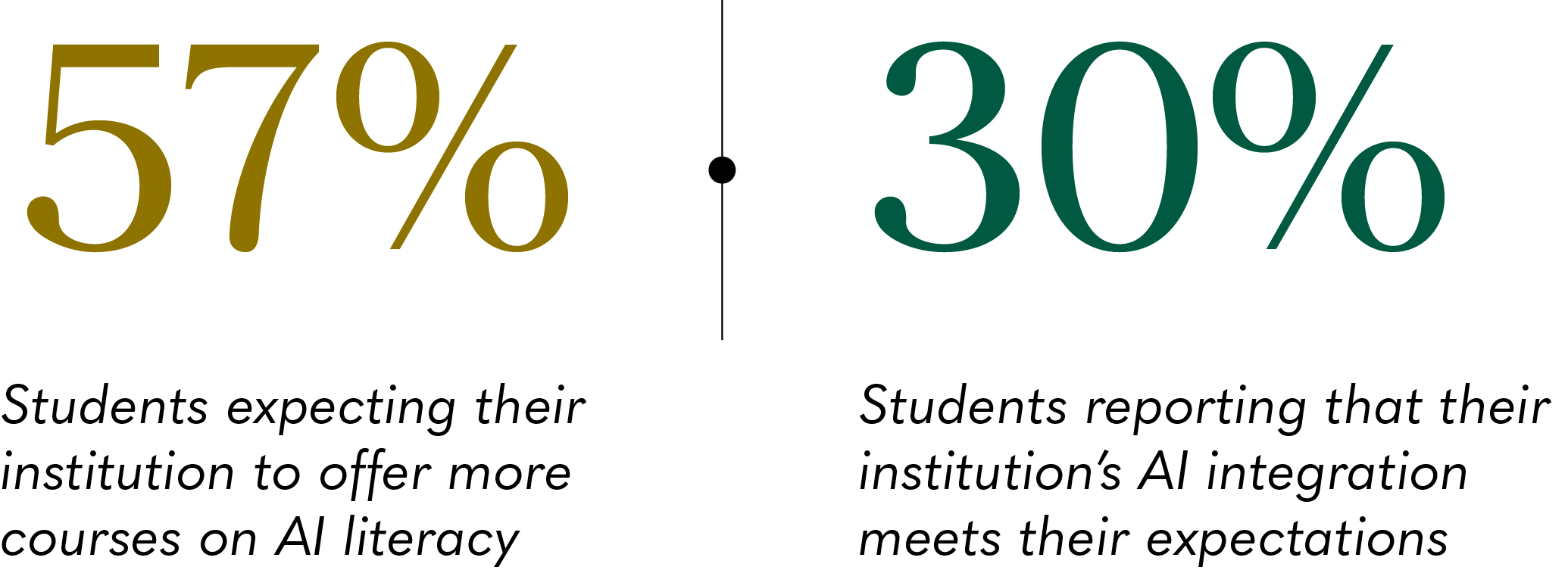
Also because AI literacy doesn’t only affect skills, but also motivation
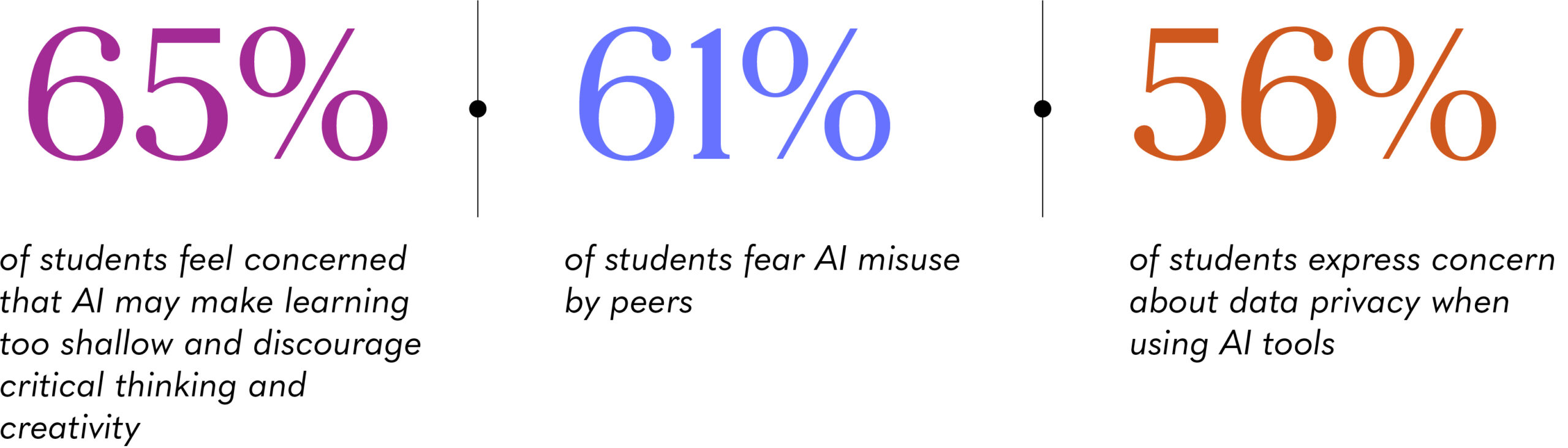
In fact, despite the generally positive sentiment, many students continue to express concerns, indicating that their approach remains cautious and considered.
Africa
By 2050, two in five children will be in Africa. However, today, more than 30 million young people are not in education, training, or employment.
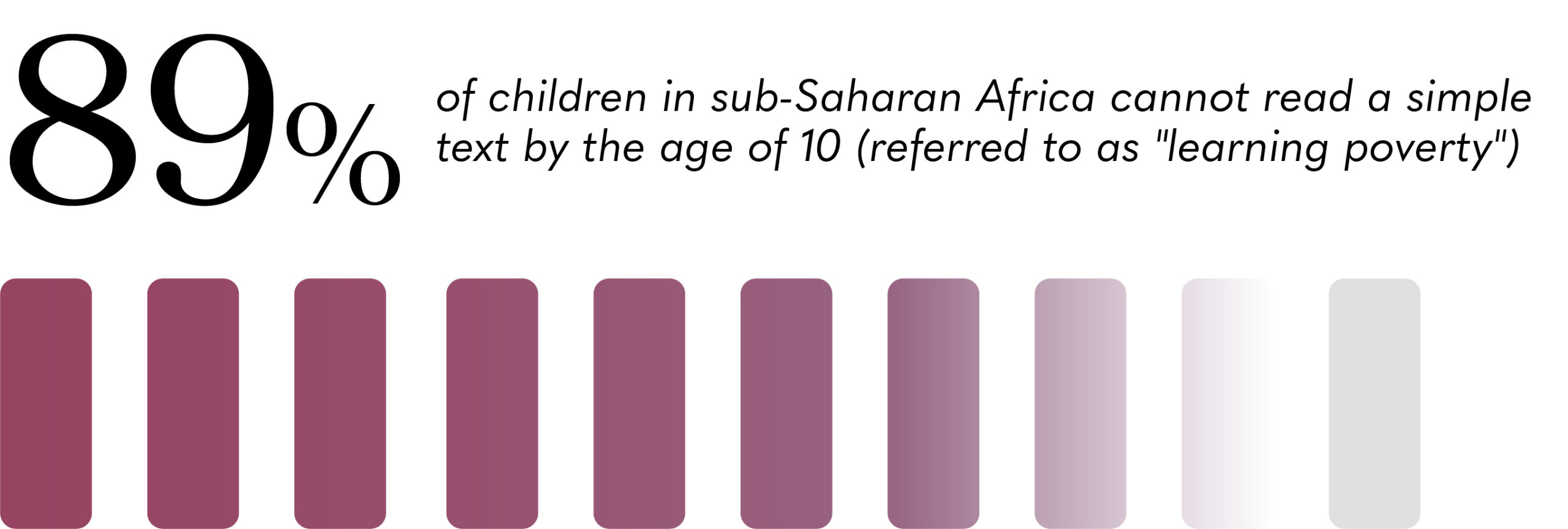
More specifically, this gap is reflected in education.
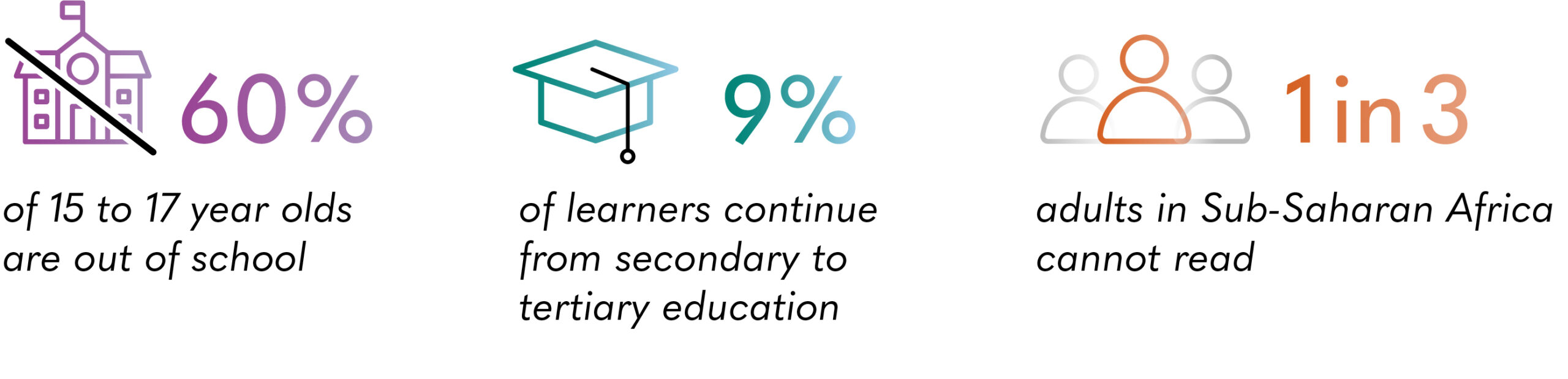
This is a structural problem: Sub-Saharan Africa faces the most severe teacher gap, with 90% of secondary schools lacking sufficient teaching staff. According to UNESCO,

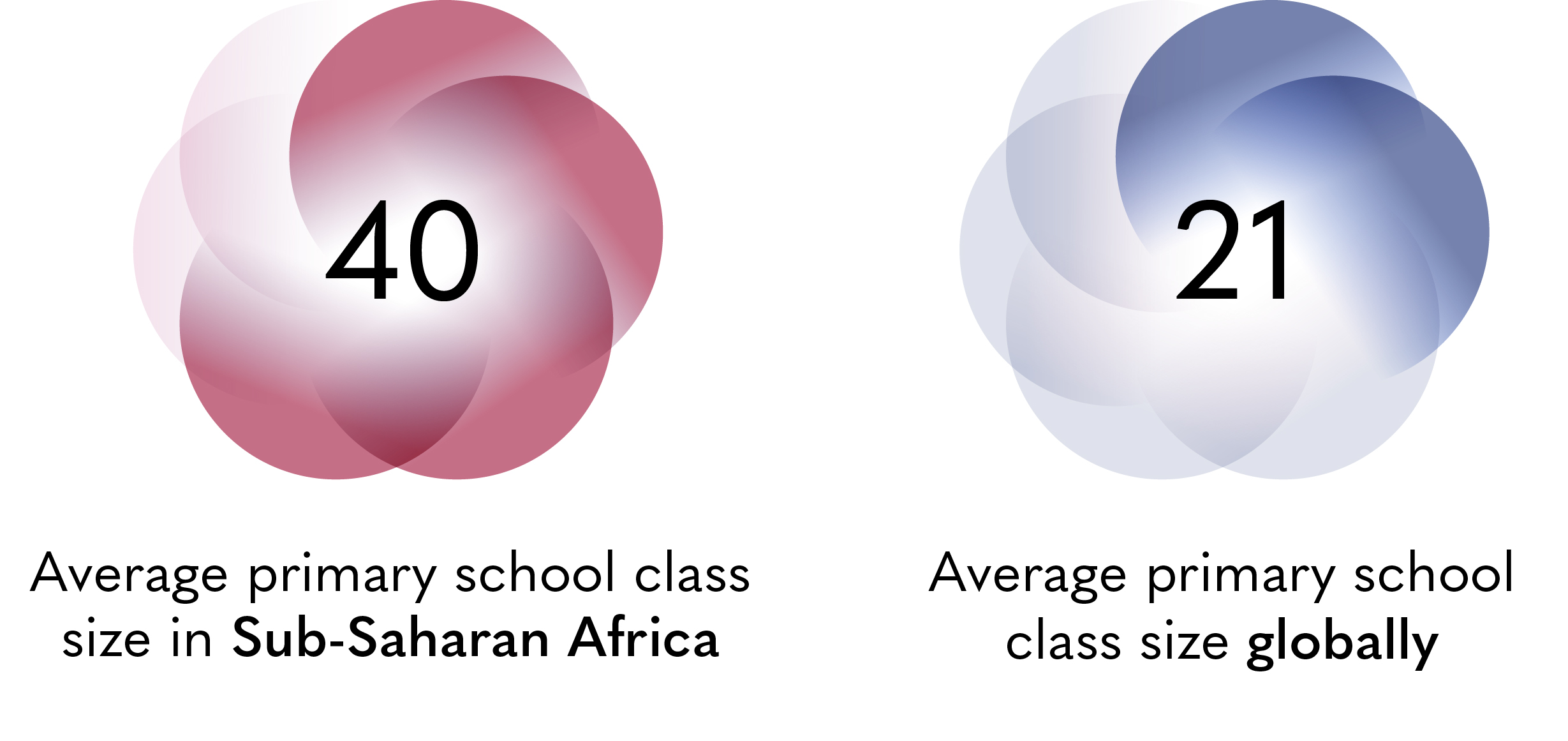
And it’s also reflected in classroom sizes, and thus in the quality of education provided. The average primary school class size:
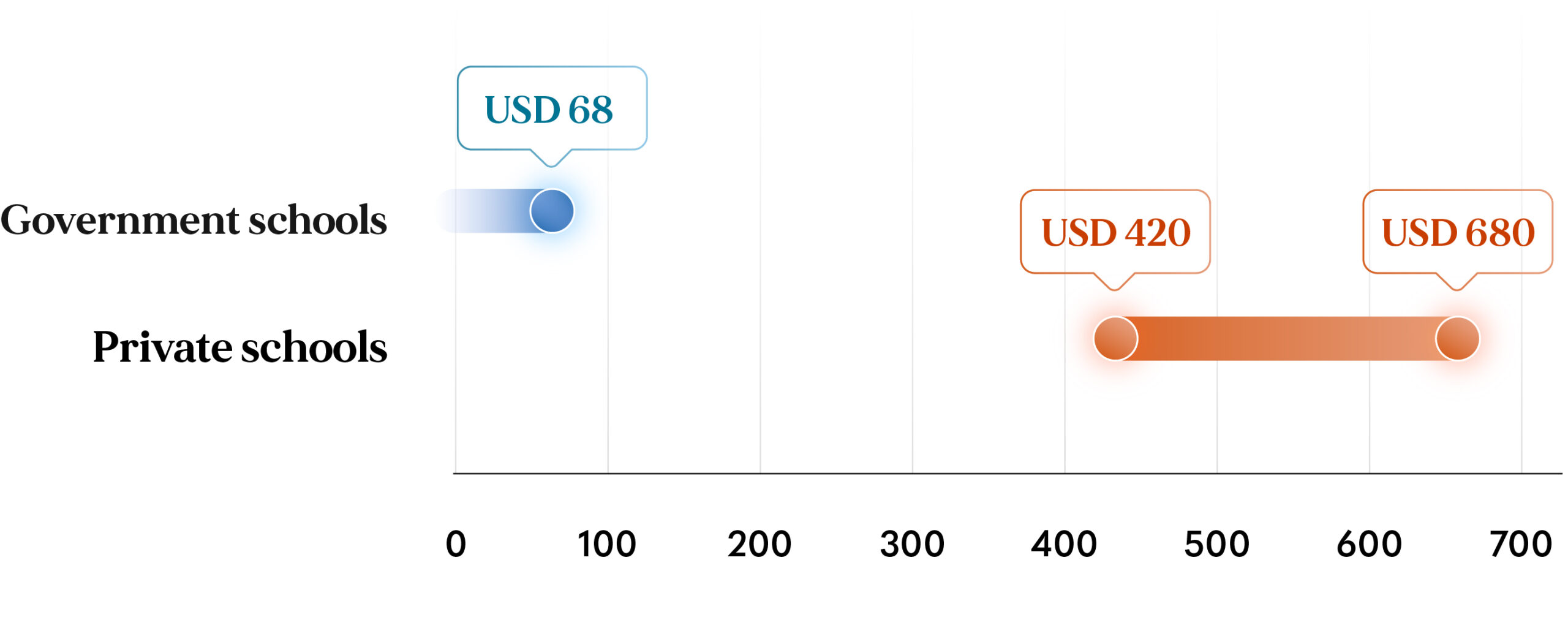
Furthermore, education is often expensive relative to household incomes, affecting access to education across sub-Saharan Africa.
In a country where 42% of the population lives on 785 USD per year, the cost of sending a child to school in Uganda varies from
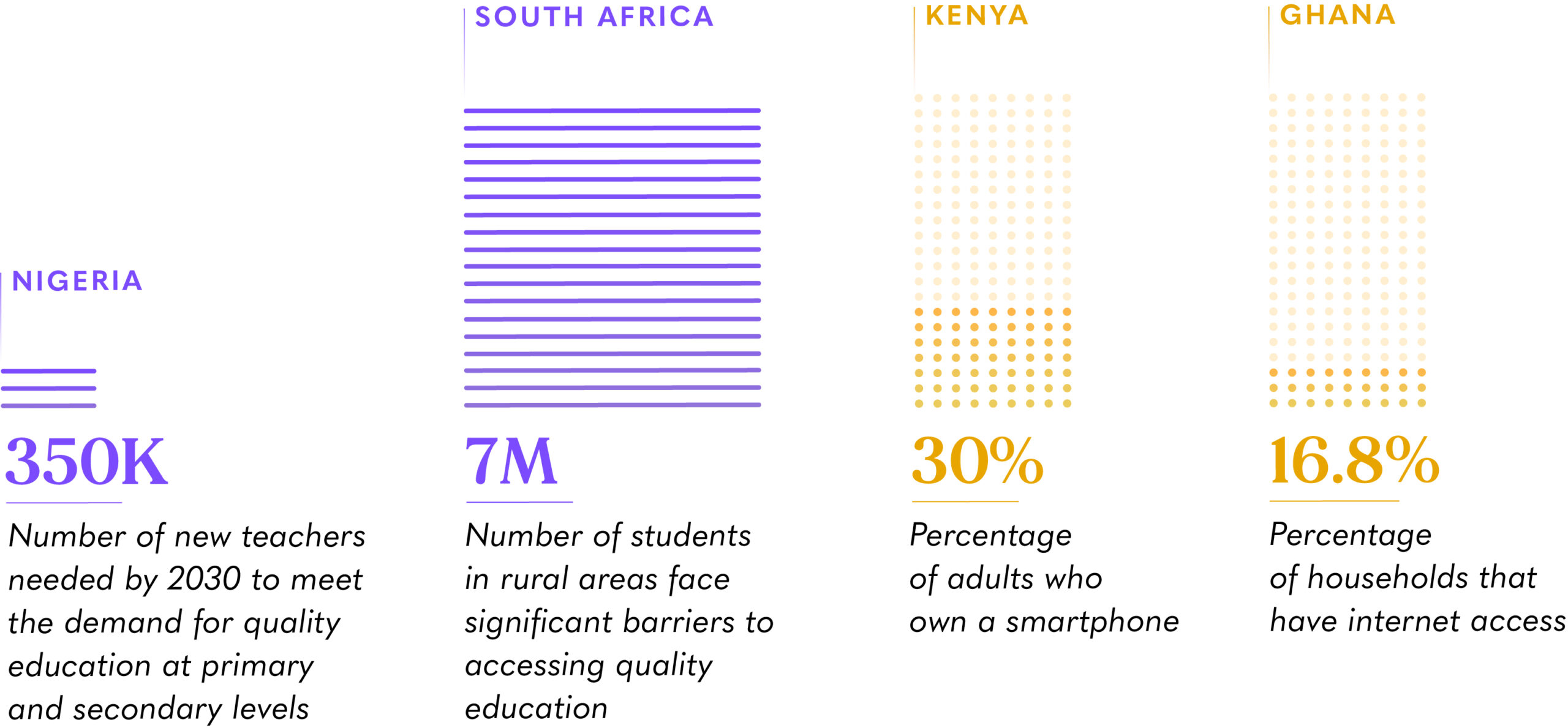
Looking closer, local insights can give a more complete idea of the current challenges in African education
Meanwhile, AI also arrived on the continent: Genesis Analytics estimates that by 2030, AI could inject $2.9 trillion into the African economy, equating to a 3 percent annual increase in GDP.
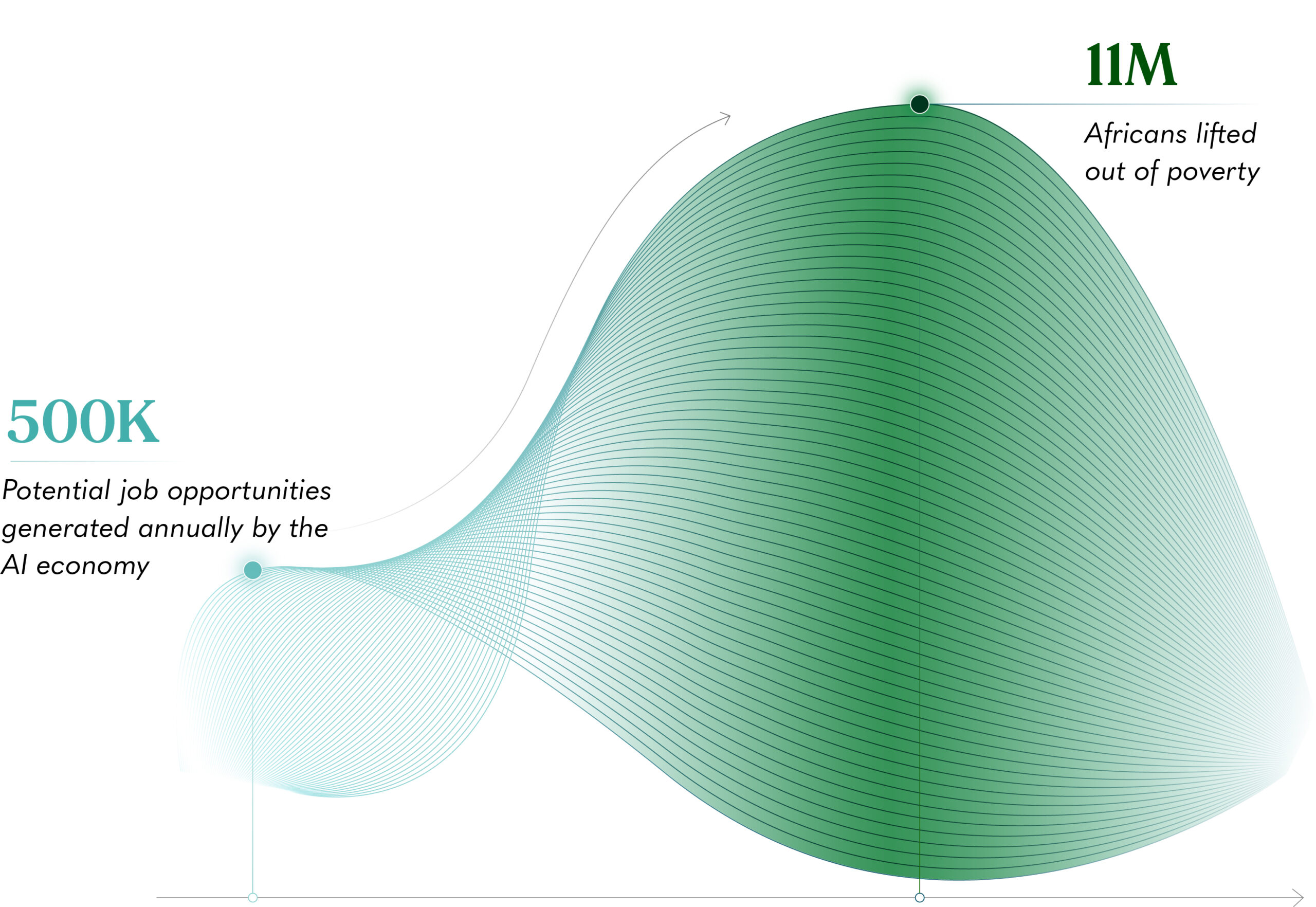
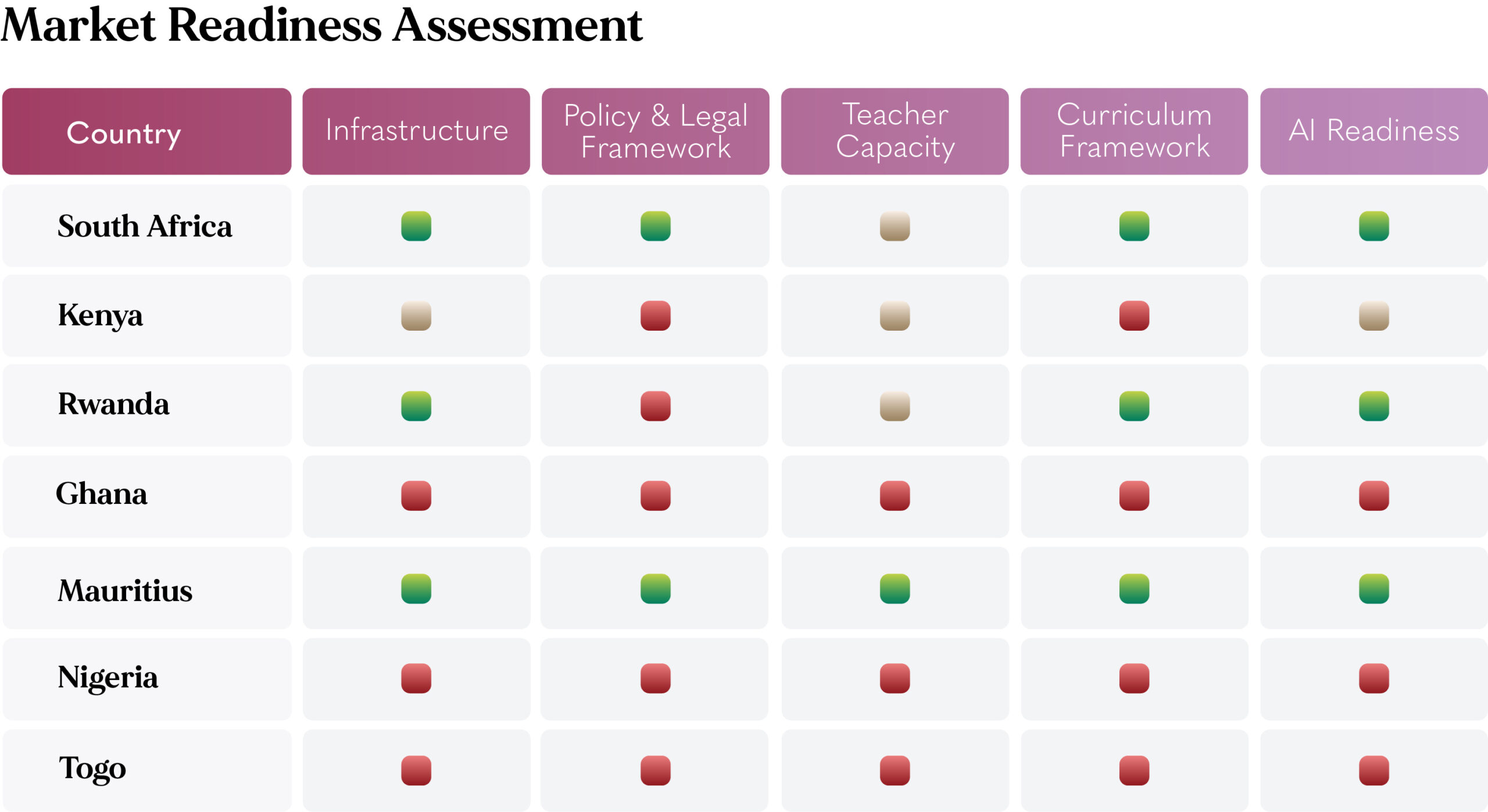
However, not all countries have the same readiness for AI entering markets, schools, and societies
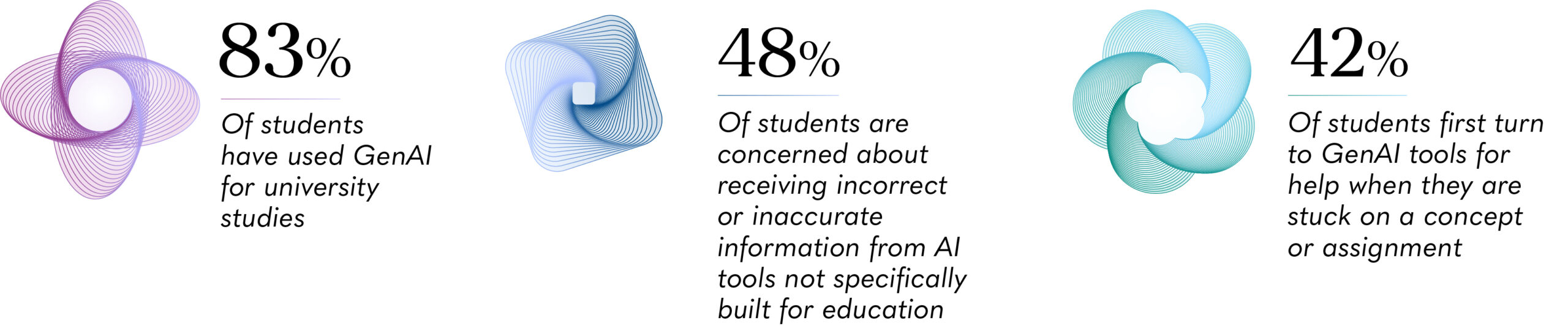
Looking at AI adoption in universities, Kenya and South Africa stand out as two interesting cases. In Kenya,
While in South Africa,
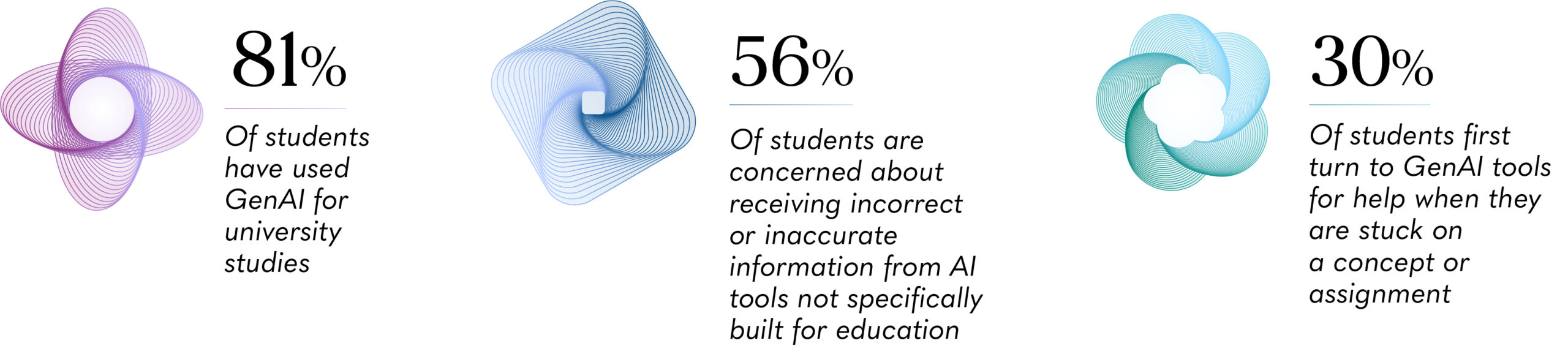
And even though the numbers of adoption are outstanding, there are still structural challenges that affect the entire region
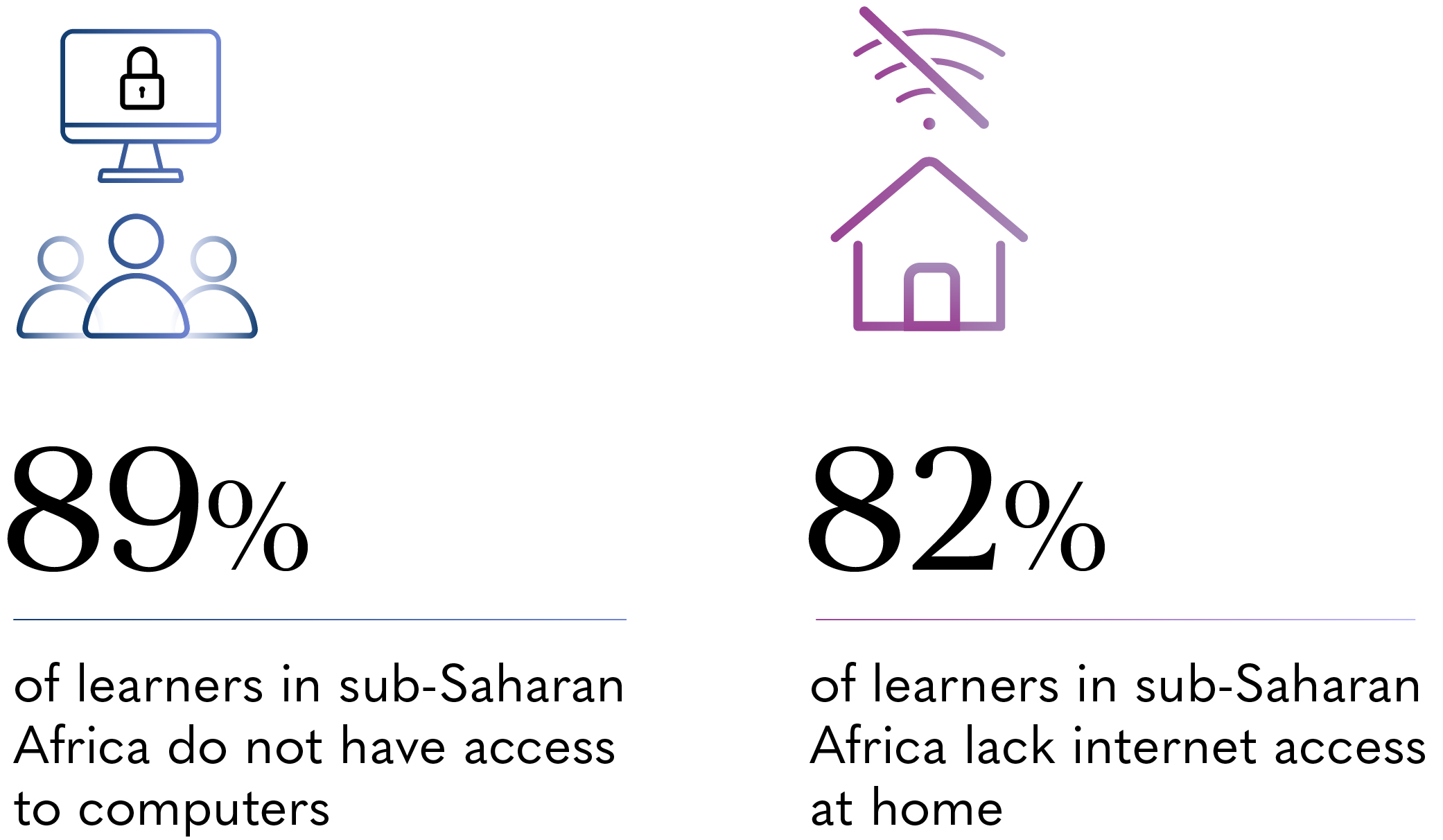
Furthermore, data available for the AI systems training aren’t adequate. In fact,

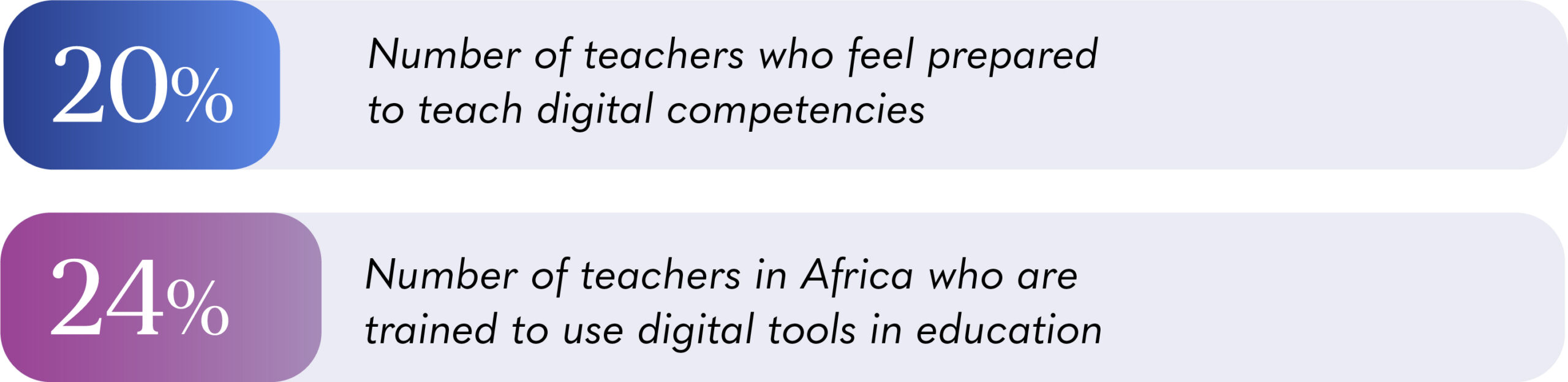
And teachers report a huge mismatch in preparedness for these new technologies
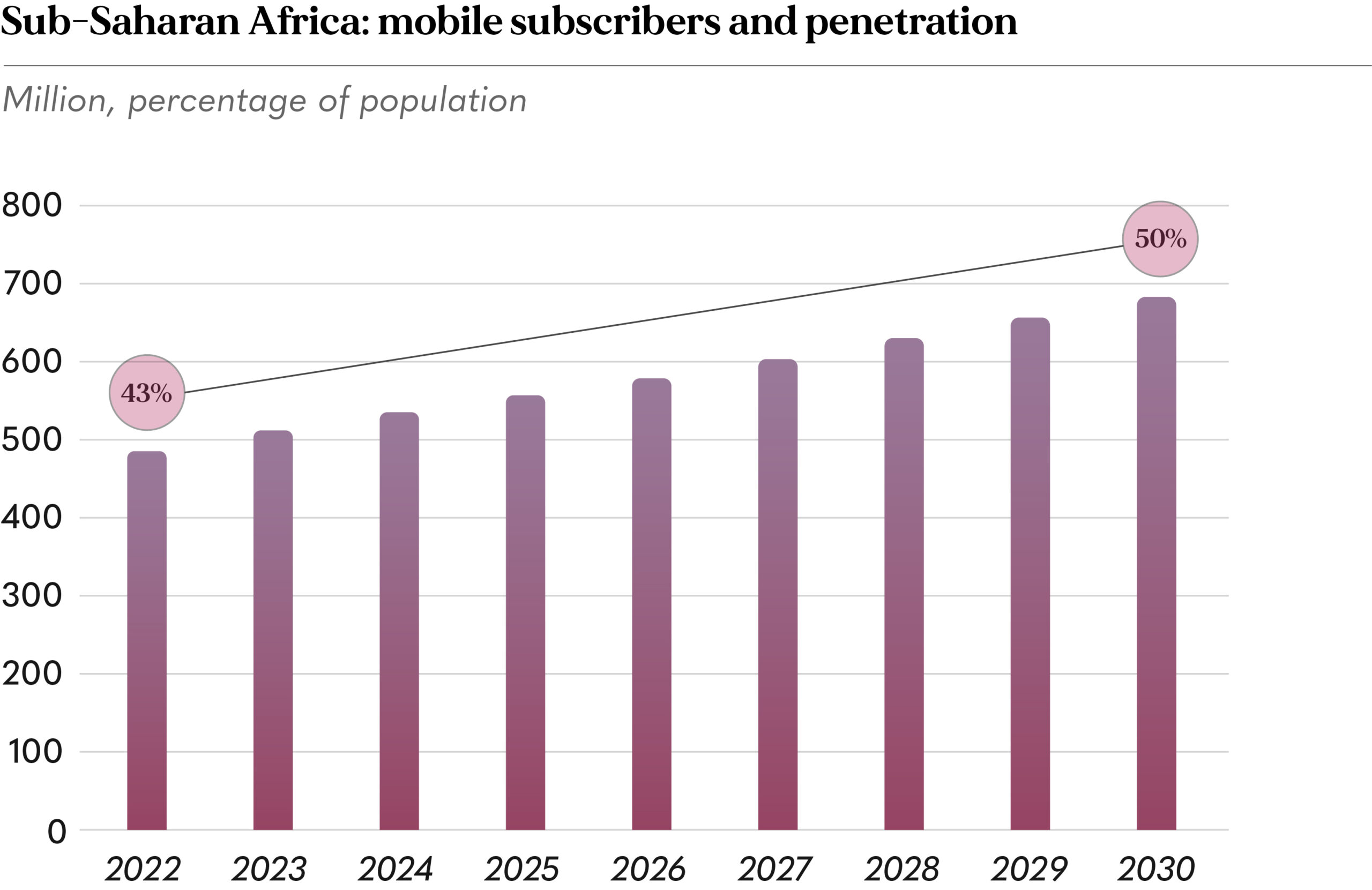
However, there’s also the perspective of coping with some of these challenges. As for infrastructure, mobile platforms are proving to be a good alternative to traditional infrastructure for AI learning
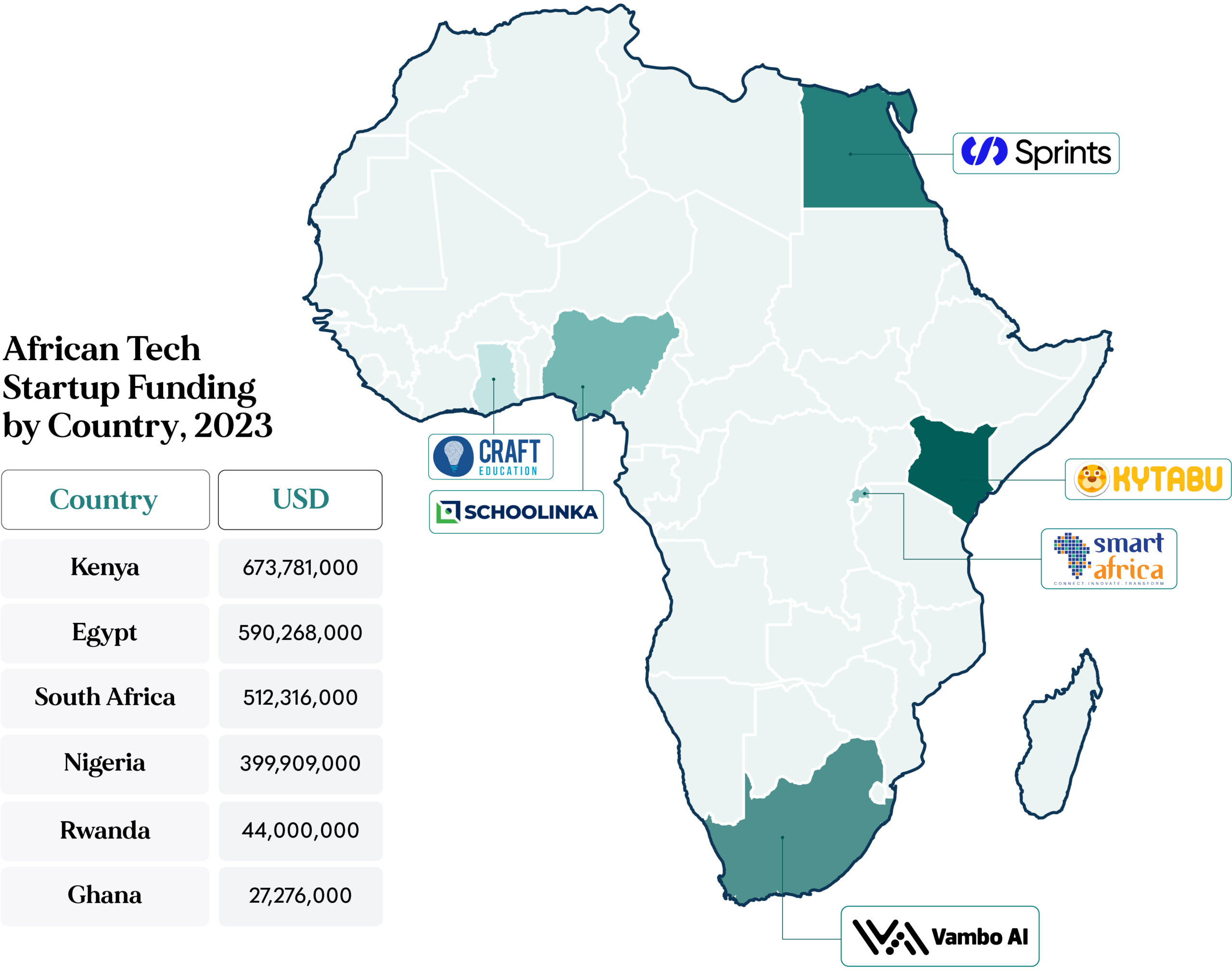
And Africa is increasingly growing in its innovation ecosystem

The innovation is concentrated in some countries, but it’s also expanding fast across the entire continent
India
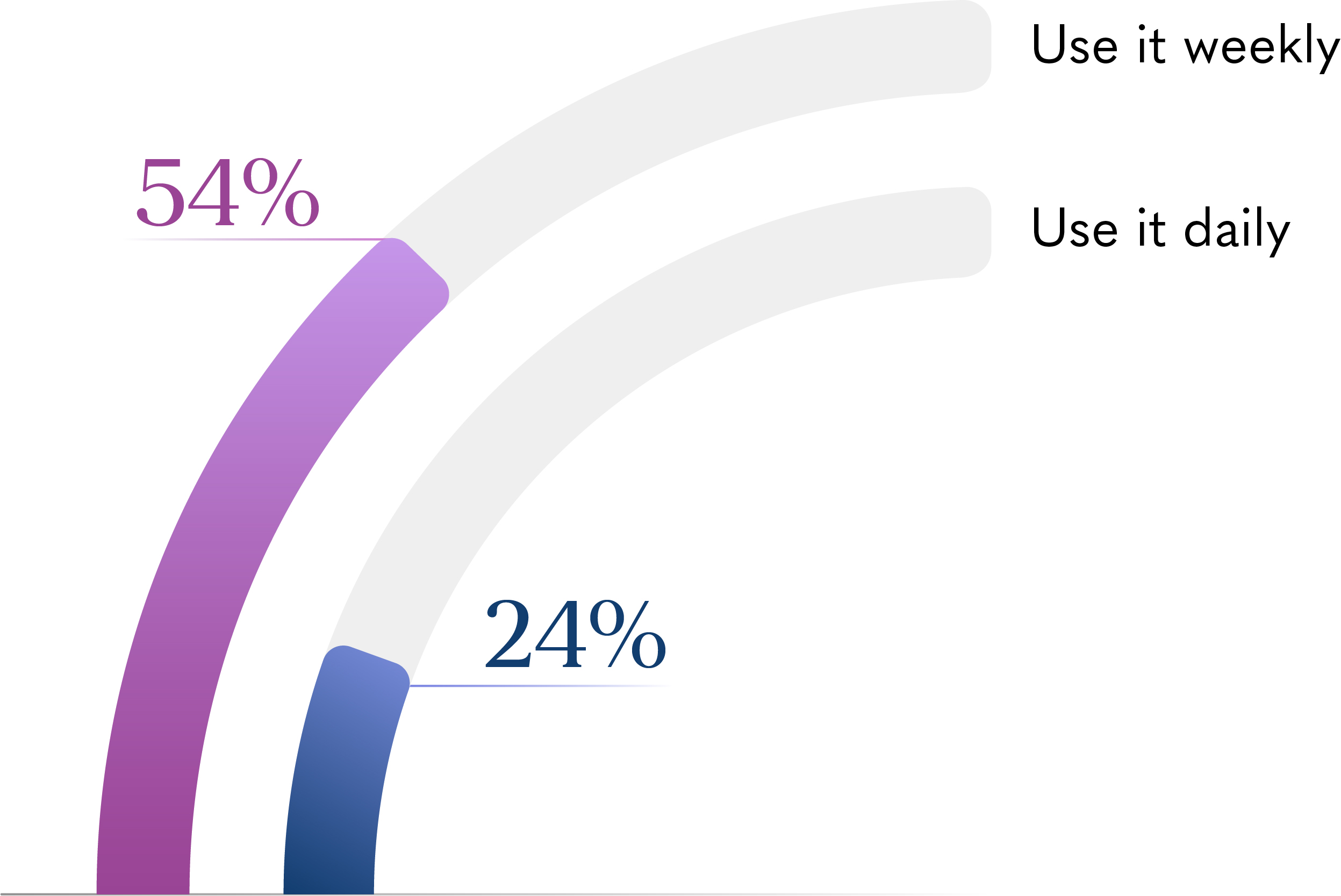
The use of AI in education in India is widespread, yet more cautious than in other countries in the Global South, resulting in a more regulated pattern of adoption.
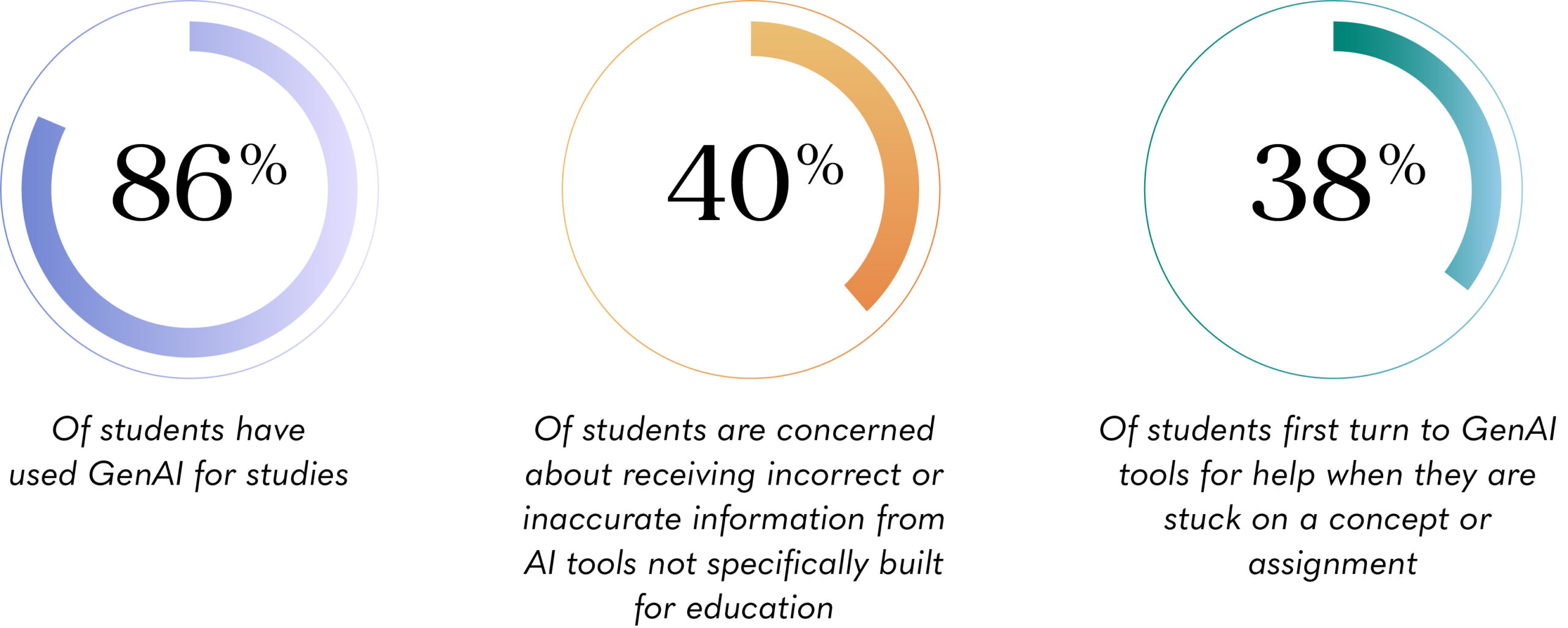
Among students using AI,
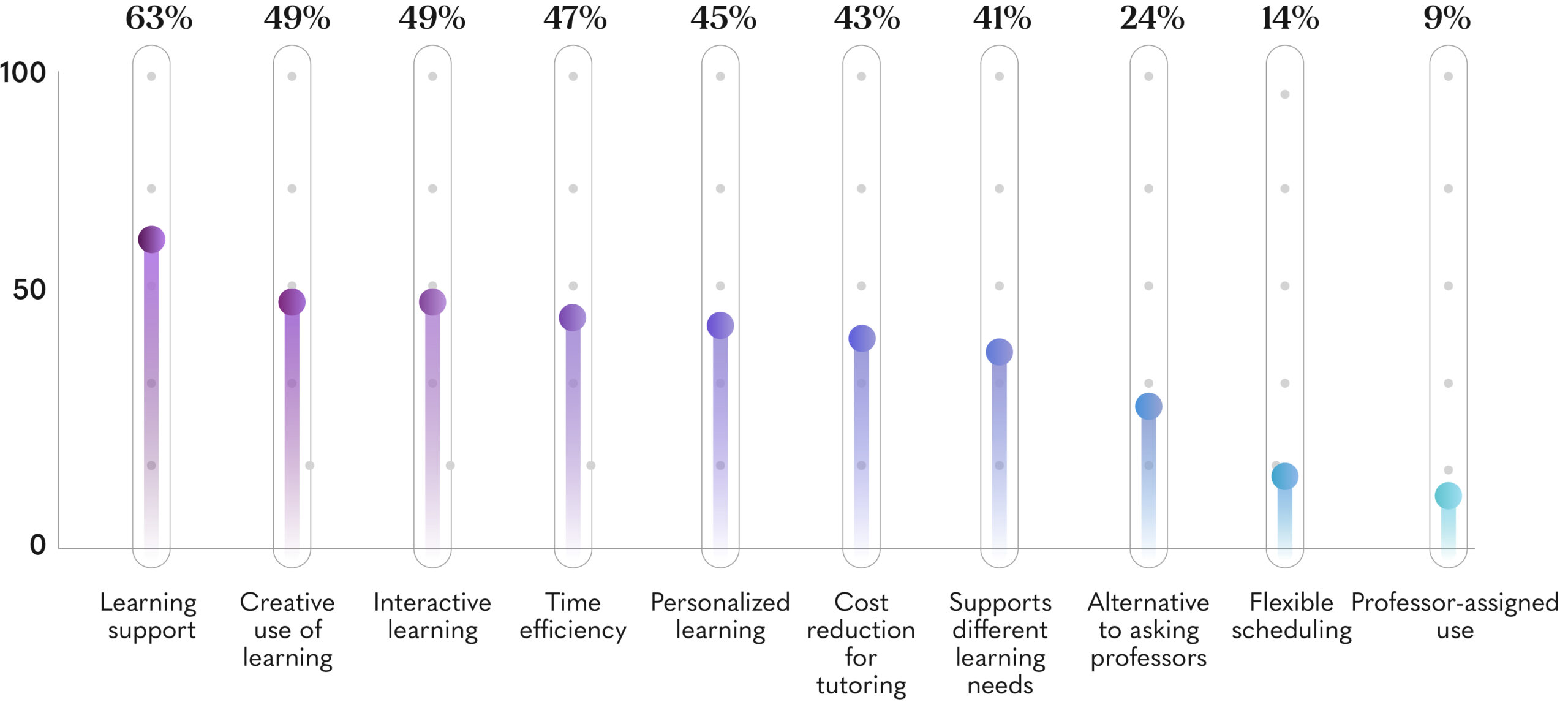
And the reasons are about efficiency, but also about personalization and interaction:
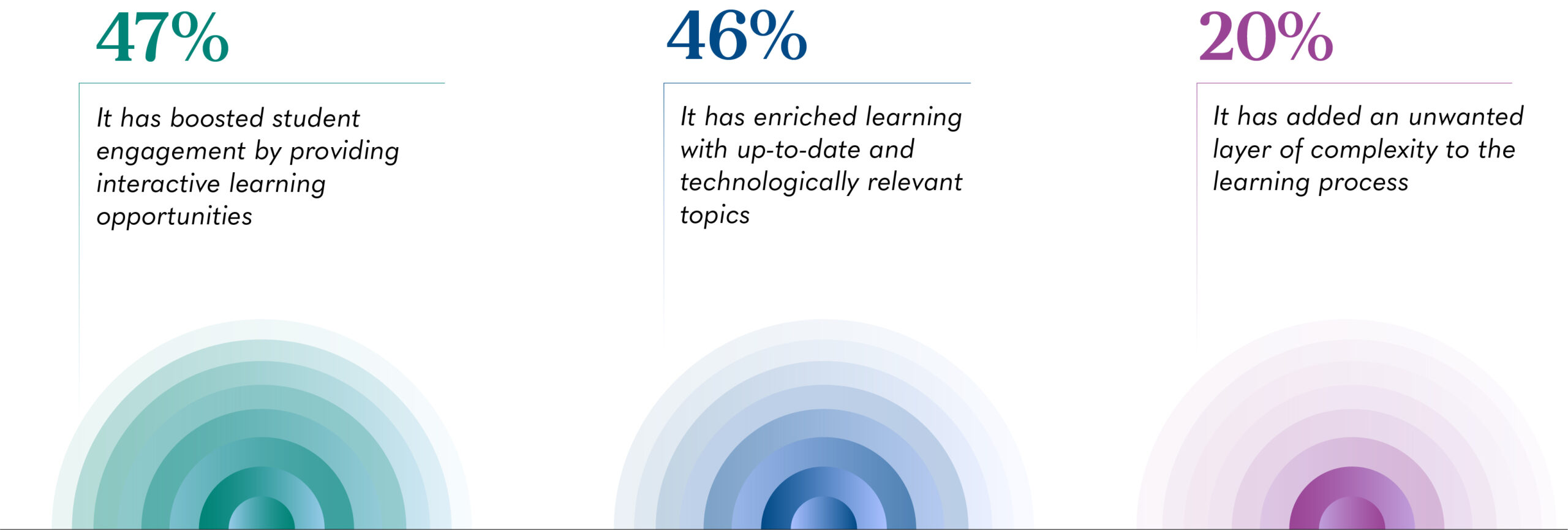
In fact, the observable effects on education are clear, and only 19% of educators report that AI didn’t have any noticeable effect on the learning process.
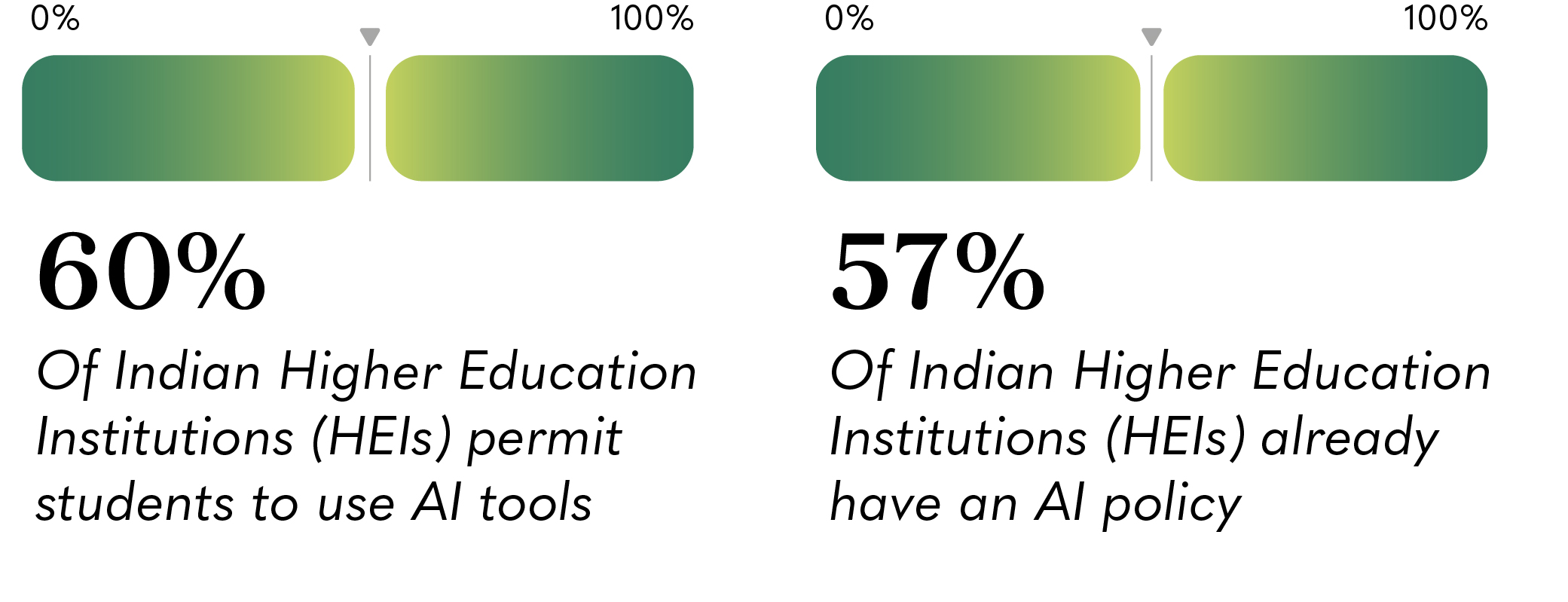
Many education providers are choosing to adopt AI in their institutions:
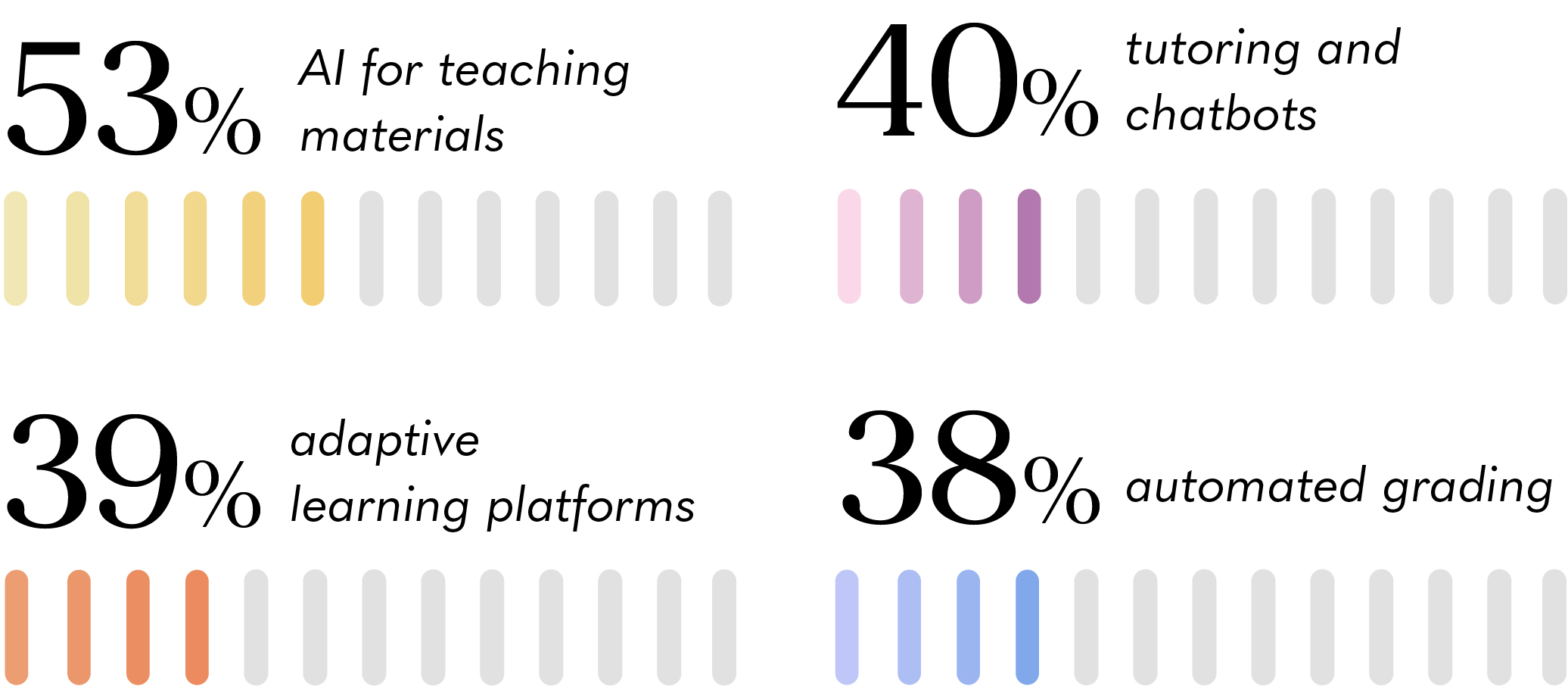
Many teachers use generative AI in their work, mostly for
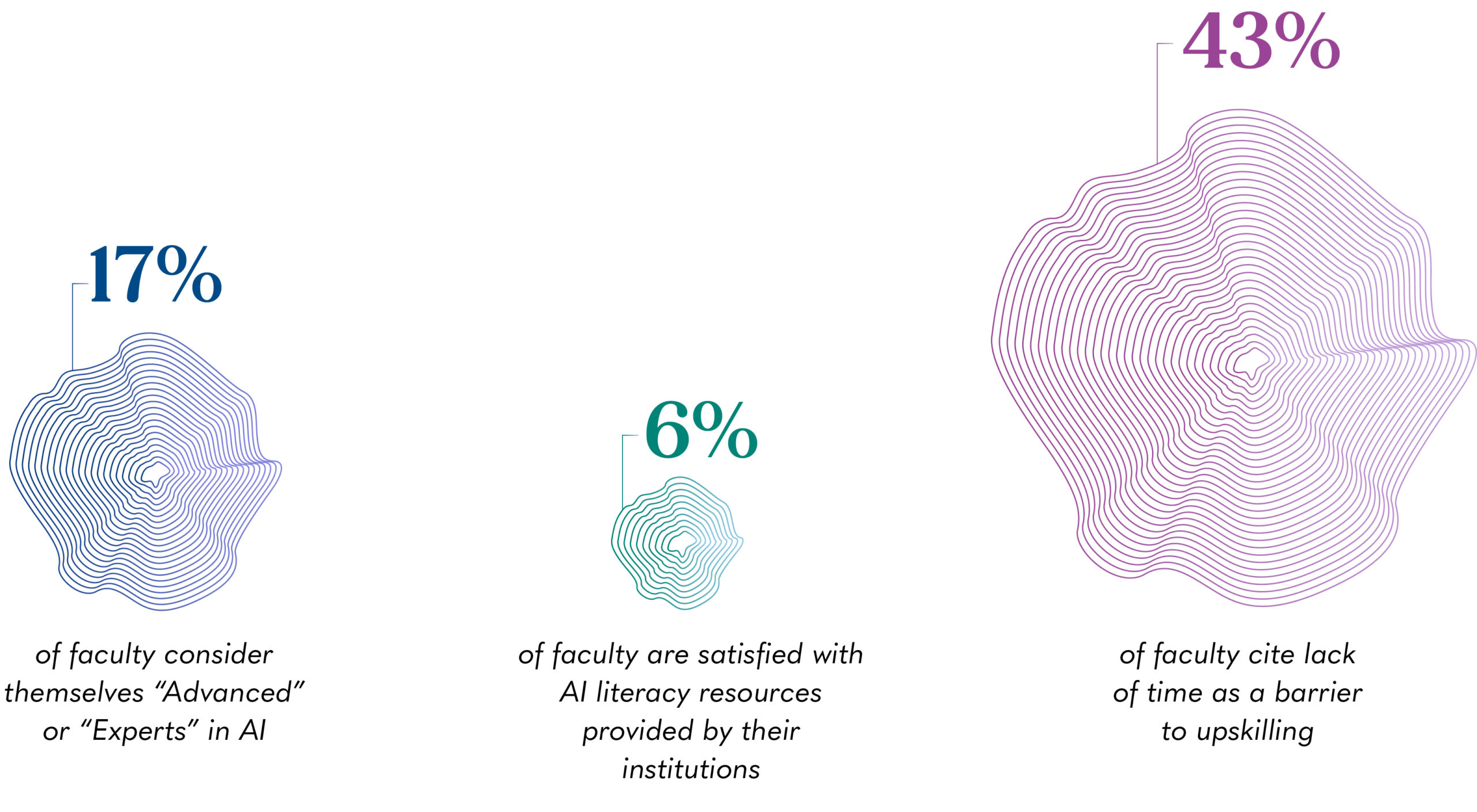
However, only
Read more from Education and AI



References
Chegg (2025). Global Education Survey 2025. Chegg Inc.
CEPAL / UN Economic Commission for Latin America and the Caribbean (2024). Inteligencia Artificial y Educación en América Latina.
Data Provenance Initiative (2024). Bridging the Data Provenance Gap Across Text, Speech, and Video.
Digital Education Council (2025). AI Faculty Survey 2025. Digital Education Council.
Digital Education Council (2026). AI in Higher Education Latin America Survey 2026.
Genesis Analytics (2025). Investment Key to Harnessing AI Revolution in Africa.
Global South World (2025). Kenya, South Africa Top Africa in AI Usage in Schools Survey.
GoStudent (2025). Report sul Futuro dell’Istruzione 2025. GoStudent.
Índice Latinoamericano de Inteligencia Artificial (ILIA) (2025). Informe Anual – Inteligencia Artificial en América Latina. ILIA.
KPMG (2025). Trust, Attitudes and Use of AI – Global Report. KPMG International.
LACCEI (2024). Impact of Generative Artificial Intelligence Tools in Distance Higher Education. Latin American and Caribbean Consortium of Engineering Institutions.
MIT Technology Review (2025). Chinese Universities and AI Use. MIT Technology Review.
MyJoyOnline (2025). AI Education from Kindergarten to University: Global Trends, Lessons and Strategic Roadmap for Africa.
OpenAI (2025). Education Research. OpenAI.
Pew Research Center (2024). A Quarter of U.S. Teachers Say AI Tools Do More Harm Than Good in K-12 Education.
The Business Research Company (2025). AI in Education – Global Market Report.
TIInside (2025). 71% dos Estudantes do Ensino Superior Utilizaram IA nos Estudos.
UNESCO (2023). UNESCO Survey: Less Than 10% of Schools and Universities Have Formal Guidance on AI. UNESCO.
UNESCO Institute for Statistics (2025). World Education Statistics 2025. UNESCO.
UNESCO, UNICEF & ITU (2025). Charter for Public Digital Learning Platforms. United Nations.
UNICEF Innocenti (2025). How AI Can Transform Africa’s Learning Crisis into a Development Opportunity. UNICEF Office of Research – Innocenti.
U.S. Department of Education (2025). National Education Technology Survey. U.S. Department of Education.
U.S. Department of Education / CoSN (2025). School and District Administrator Survey, June 2025.
World Bank (2025). The Future is Africa: Shaping AI-Enabled EdTech for Skilling the Continent. World Bank Education Blog.
World Economic Forum (2025). How AI and Human Teachers Can Collaborate to Transform Education.