
Education + AI, Trends
Like many of our research projects, this is a work in progress, made possible by our community. Responses are still being collected. If you would like to share the survey with student communities, get in touch at imminent@translated.com.
A Global Snapshot
A conversation without those it concerns most cannot be complete. At the close of this report—built from the voices of academics, EdTech professionals, and researchers—one presence loomed large in its absence: the students themselves. The very people this inquiry is ultimately about. So as Imminent, we did what seemed essential: an anonymous global survey, open to students anywhere in the world. We asked a simple question: What does it actually feel like to grow up learning alongside artificial intelligence?
What came back was not a definitive portrait—the sample, with 251 responses across 26 countries*, remains too small for such grand claims. But it offered something perhaps more valuable: an unmediated conversation with those who chose to tell us what this moment genuinely feels like. Voices ranging from an 11-year-old navigating middle school to a doctoral candidate completing their dissertation. From Ghana to Taiwan, from Argentina to Slovakia. What emerged, across almost every border and age group, was a single, consistent answer to whether they had ever used AI to study: yes.
*Albania, Australia, Brazil, Burundi, Cameroon, Cape Verde, Comoros, Colombia, Ecuador, Ethiopia, France, Gabon, Georgia, Ghana, India, Italy, Malaysia, Mali, Mexico, Nigeria, Rwanda, Slovakia, Slovenia, Taiwan, Togo, USA, Venezuela
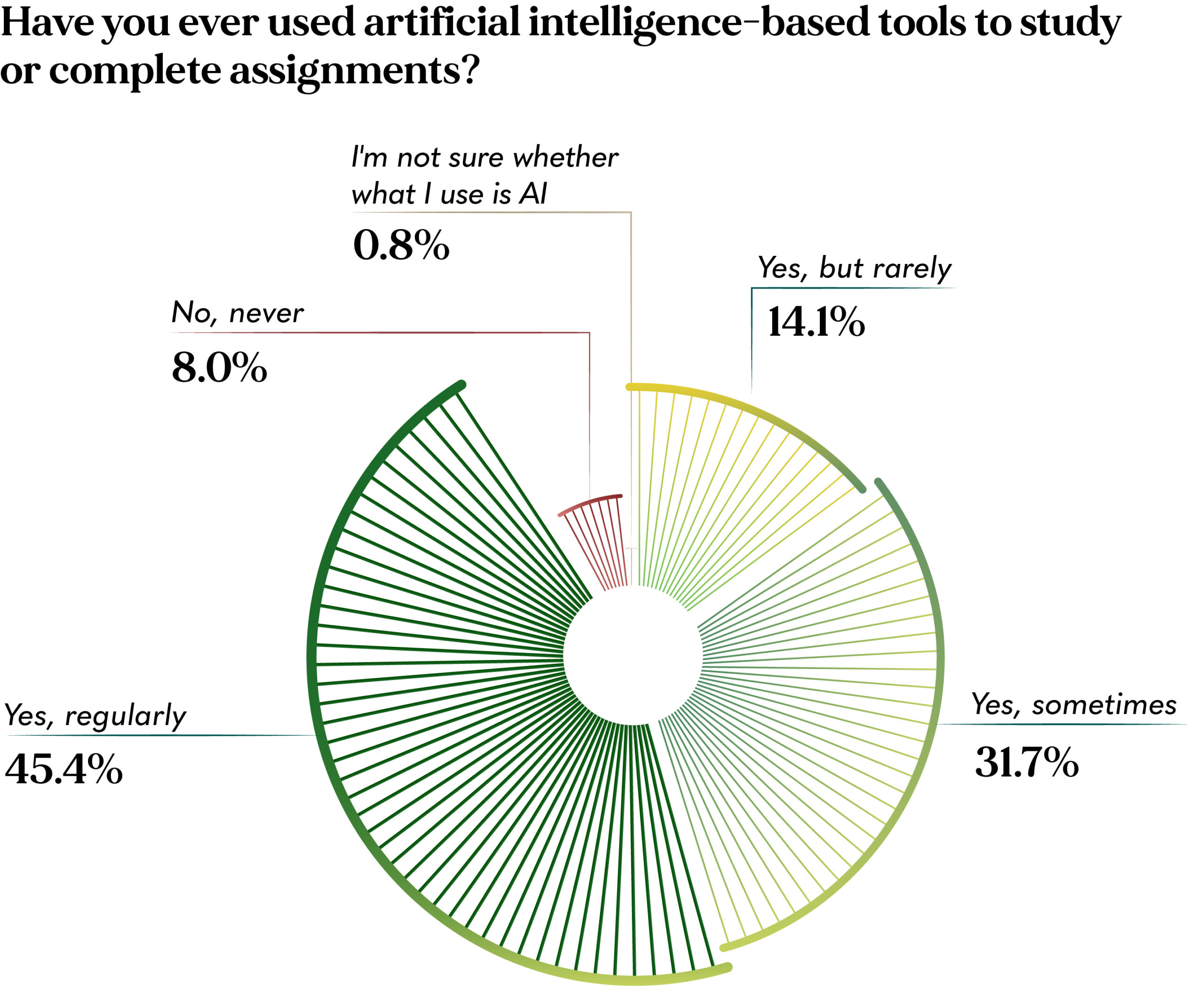
Competence—or the illusion of it?
Among those who said yes, a striking confidence emerges: The large majority describe themselves as competent or very competent in using these tools. This mirrors the quantitative findings earlier in the report, yet it reveals something more subtle: These systems succeeded not because users understand how they work, but precisely because they do not need to. You do not need to know how to code, disassemble systems, or navigate complex technical interfaces. All you need is language. The design of AI systems suggests accessibility—elegantly, intuitively, at every turn—and that suggestion reflects a genuine reality. Basic use is accessible to everyone.

But the data on perceived competence, when disaggregated by age, tells a more intricate story. It does not follow the trajectory one might expect. Younger students, aged 11 to 14, tend to feel fairly competent. Confidence peaks in the 15–18 bracket, while the absolute high point of self-reported expertise sits in the 23–26 age group. Then something shifts. Among those over 27 (the most educated cohort in the sample, master’s students and doctoral candidates alike) the rates of low perceived competence rise dramatically. This inversion demands attention.
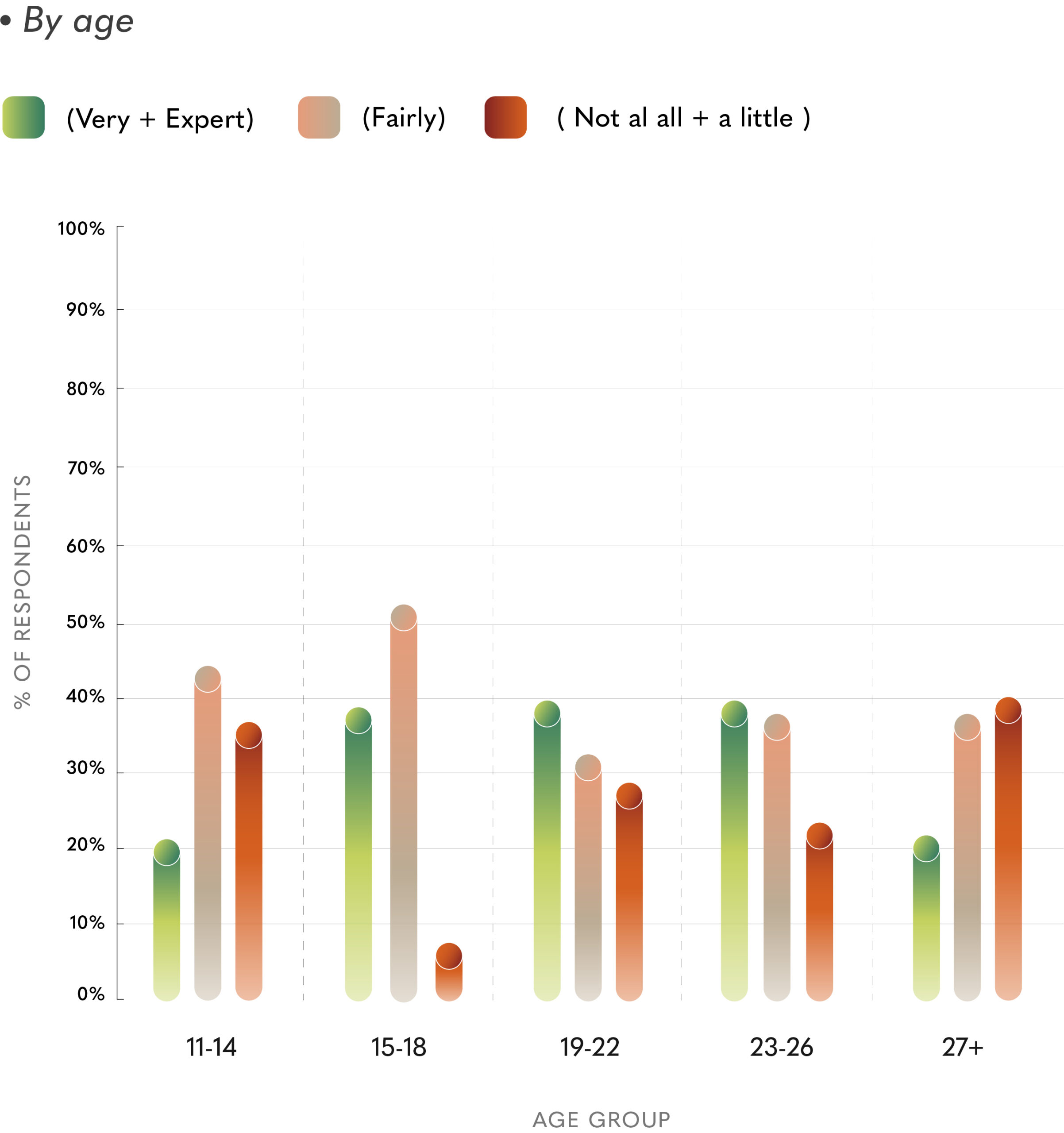
A first reading suggests a simple explanation: people who spent years building their own study methods before AI existed find it harder to integrate something new. Habit becomes distance. Yet the data on actual usage immediately overturns this interpretation. 56.8% of those over 27 report using AI regularly—a figure higher than that of 15–18-year-olds (50%) and second only to the 19–22 university cohort (61.8%). Older, more educated students are not avoiding these tools. They are using them extensively.
What changes is the awareness with which they do so. The deeper one’s understanding of a system’s complexity, the more capable one becomes of recognizing its limits and the gaps in one’s own use of it. This is a kind of reverse Dunning-Kruger effect—a reversal worth contemplating. Younger students, who proportionally use AI less, feel more confident precisely because they lack the critical tools to evaluate the quality of what they produce. True competence, in this case, manifests not as certainty, but as informed doubt.
How is AI actually being used?
Probably the design of these intelligent systems does not only standardize the sense of competence students feel in front of them, but also the way they are used.
When asked which activities they primarily use AI for, students showed a form of uniformity in usage, with a clear preference for research and summaries, solving problems, and producing creative content.
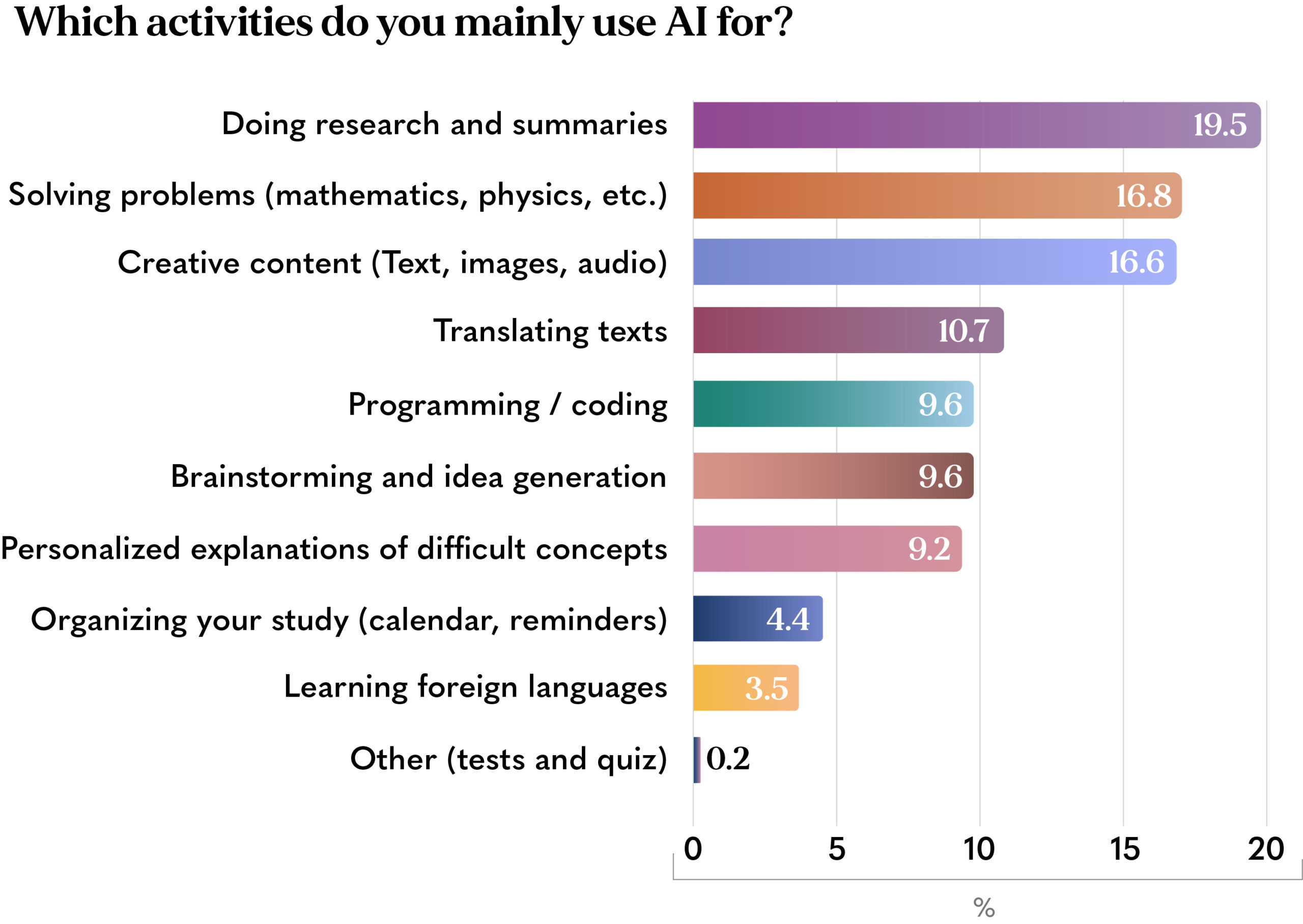
A question naturally emerges: Is there a glass ceiling in our ability to use these tools? The activities requiring only basic prompting skills are the most common among students. Yet when moving beyond surface-level use—toward higher-quality interaction or more advanced models of engagement—AI does not seem to maintain the same transformative grip. And in the absence of structured AI-literacy courses, remaining at a self-taught level risks freezing these capabilities at an early stage. The ceiling remains largely unchallenged.
And yet when one examines what students actually do with the outputs they receive, a more complex picture emerges—less passive than the initial patterns might suggest. Nearly 50% describe treating AI output as a starting point—something to question, modify, and build upon rather than simply submit. Only 6% report uncritical acceptance of what a chatbot produces. This shift from consumption to participation hints at something deeper: not a generation of passive users, but a generation learning to engage in dialogue with machines, in genuine co-creation rather than mere reception.
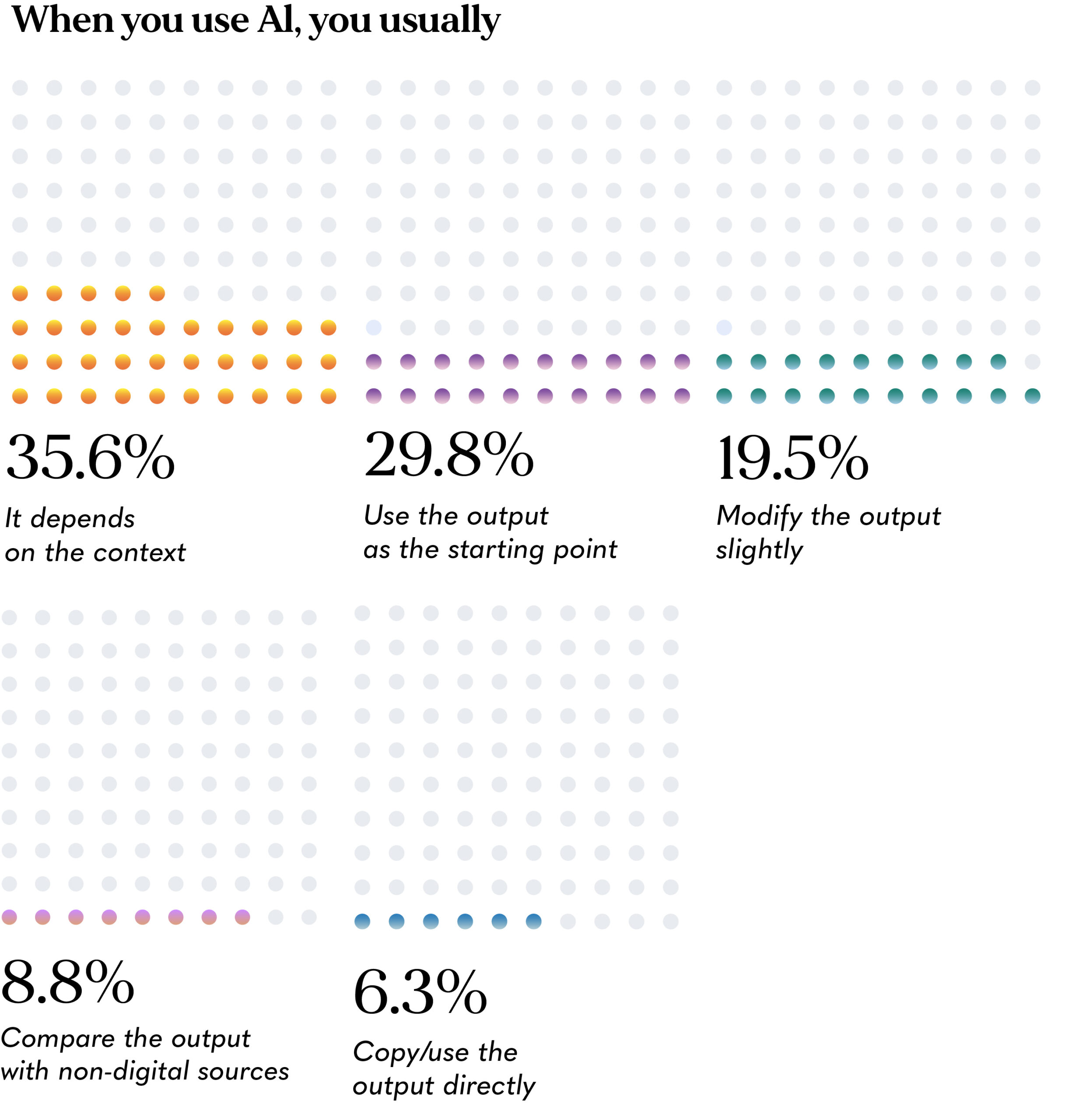
This has implications far beyond homework. It suggests a nascent shift in how knowledge itself is constructed—one rooted not in reception alone, but in relational engagement, in asking the right questions, knowing what to modify, and verifying information opens up a more relational and interdependent epistemology—something that also reflects the way students relate to their classmates.
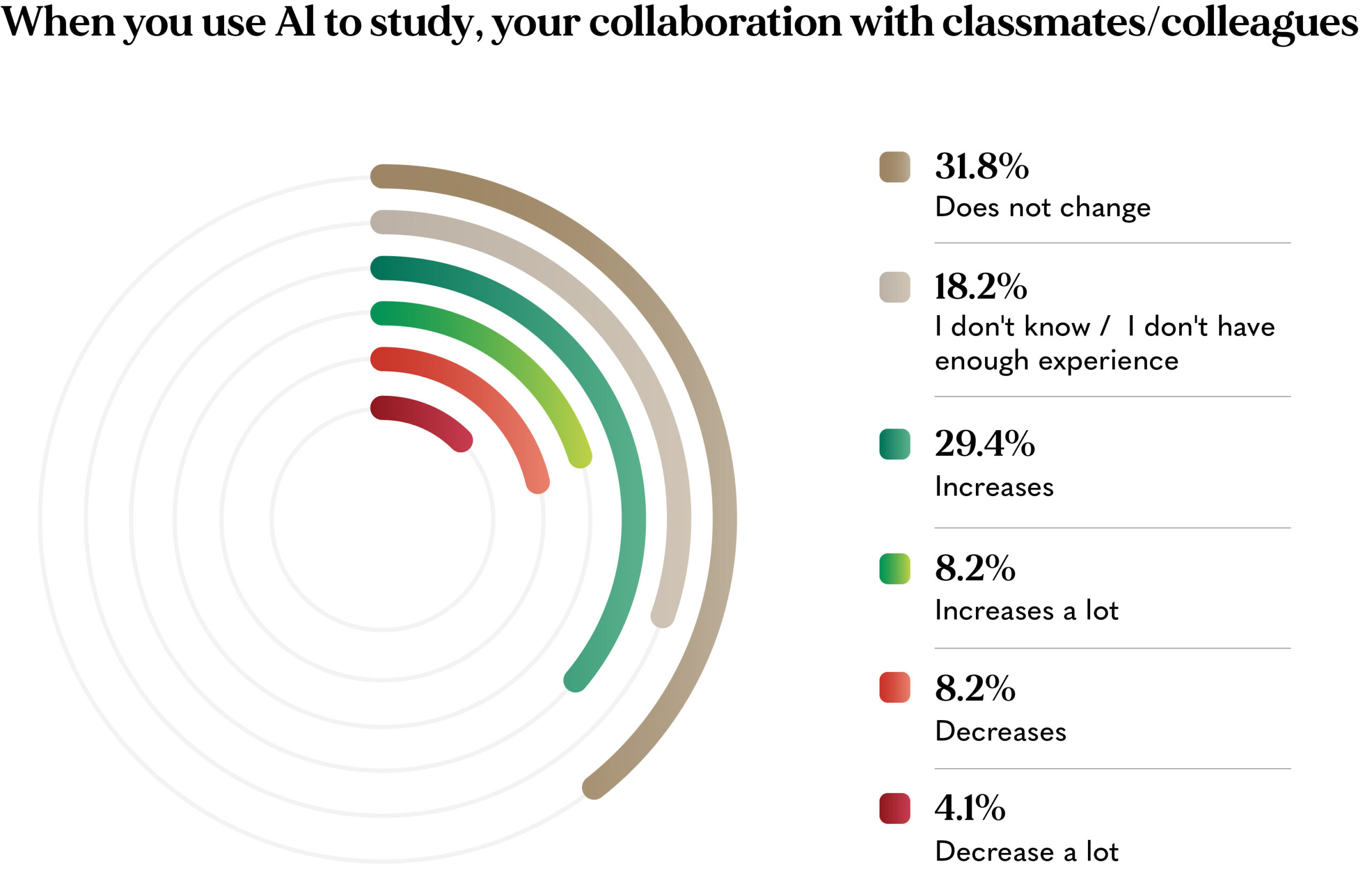
Indeed, contrary to what might be assumed at first—that an individualized use of AI would create isolated, non-communicating bubbles of students—what emerges instead is that 37.6% of respondents report an increase in collaboration with their peers, sometimes significantly.
Plenty of Benefits
And increased collaboration does not appear to be the only benefit.
As with most emerging technologies in education, the benefits beginning to accumulate are visible and substantial—and they serve as a mirror reflecting what schools are currently failing to do well. One clear category emerges: autonomy. Students report a newfound independence from the constraints of classroom time and teacher availability. They understand difficult subjects better, personalize content to their own level, and crucially, experience a greater freedom in when and how they study. For many, this autonomy feels revolutionary in a system that has long dictated pace and timing.
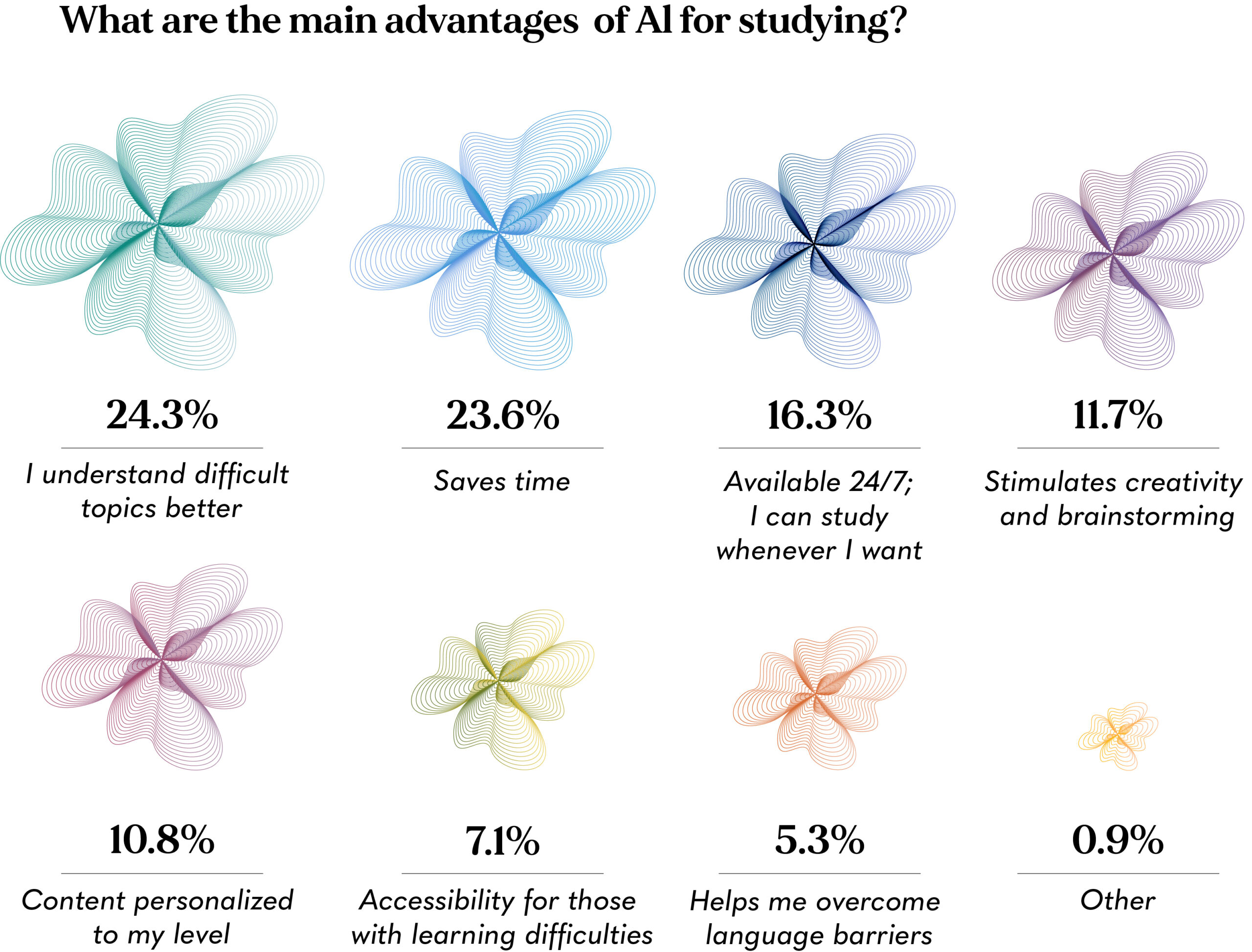
Another striking figure remains particularly significant: Over 23% of students report that AI helps them save time. But is time-saving really so important for nearly a quarter of respondents? And more importantly, why?
The answer begins to emerge from another question included in the survey: how AI makes students feel.
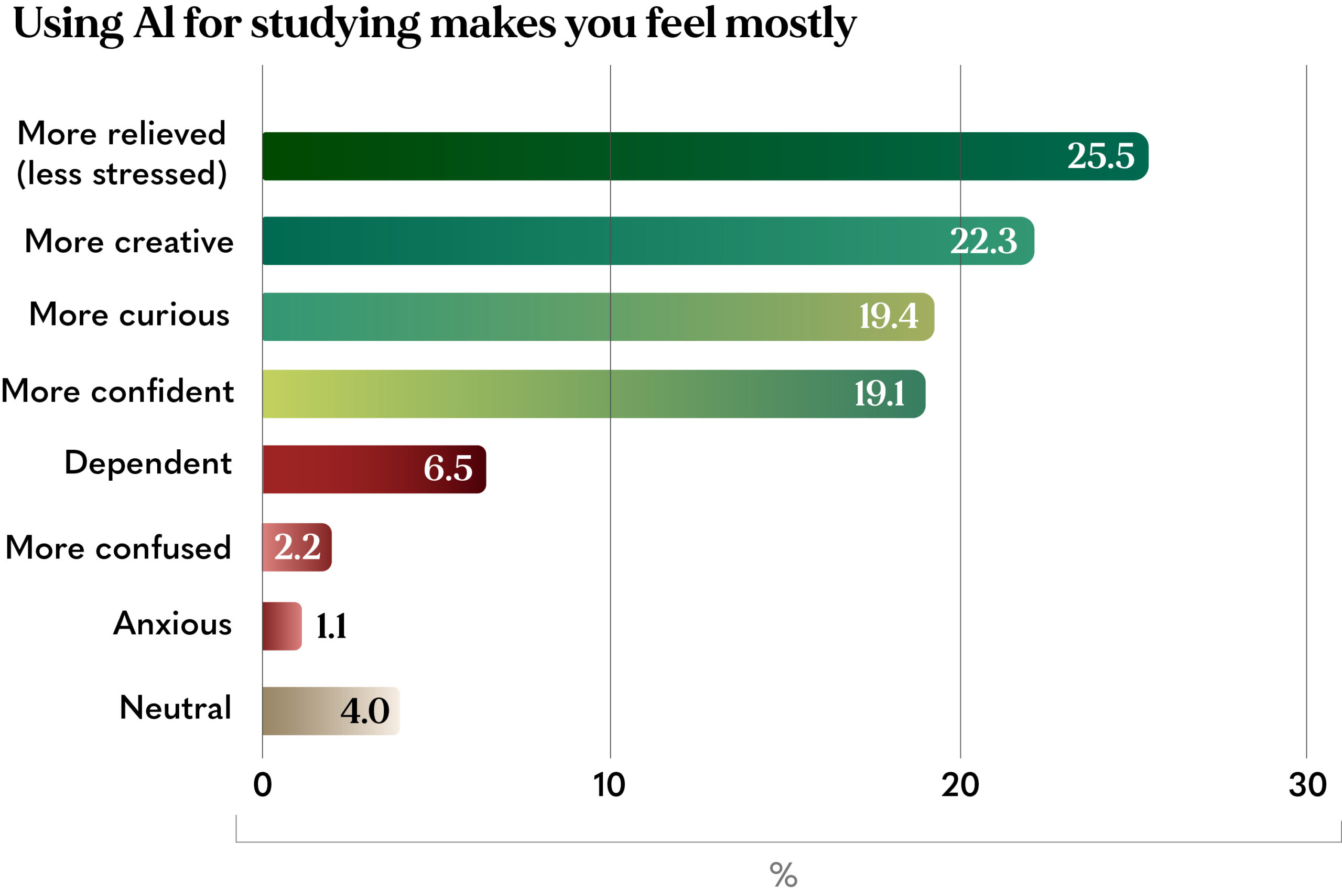
It becomes immediately clear that most students describe their experience in positive terms. Feelings such as creativity, curiosity, and relief occupy a large portion of responses, in contrast with anxiety, confusion, or dependency.
However, it is only when the data is broken down by age that the most revealing patterns appear. The way AI makes students feel changes significantly across educational stages, highlighting areas where different school levels may be more or less responsive to student needs.
• In the 11–13 age bracket, 38% report feeling relief (less stressed)—an unsettling statistic given the youth of the respondents, suggesting that stress has already begun its work on minds barely in their teens.
• In the 14–18 age bracket, the dominant emotion is curiosity (29.4%)—a signal that this age group has the cognitive capacity and energy to explore, yet traditional education may not be channeling it effectively.
• Among undergraduate students aged 19–22, 29.4% report feeling more creative—suggesting that at this stage, the capacity for original thought is awakening, yet may be constrained by conventional pedagogies.
These preferences are sharp and deeply revealing about what each educational stage most desperately lacks. Only among older students do we see a more balanced distribution across responses, paired with a note of realism: 8.8%—the highest rate of negative emotion in any cluster—acknowledges feeling dependent. This awareness itself is not a weakness; it is a sign of critical maturity.
The broader pattern demands a reckoning: If large numbers of students report that AI makes them feel more creative, more confident, more curious, and less stressed—all fundamental elements of a meaningful learning experience—then perhaps the issue is not whether AI is improving education, but whether education, in its current form, is delivering what it promises.
Competence measured against risk
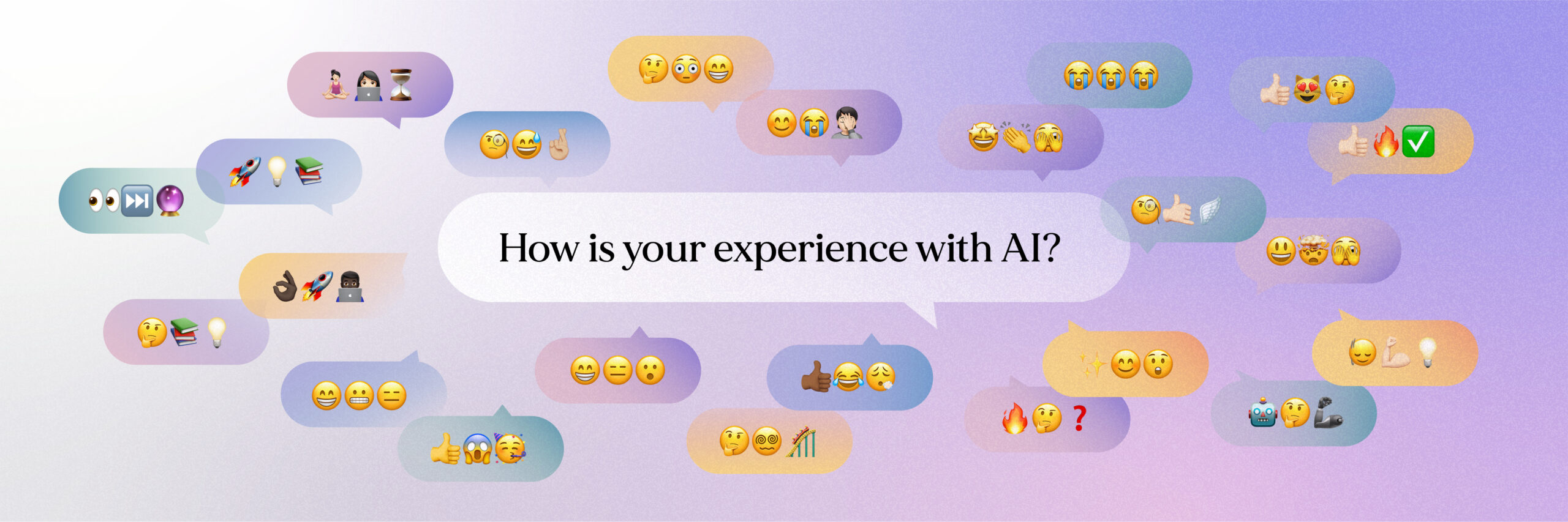
If the earlier responses describe what AI allows students to do, the final part of the survey offers a more immediate glimpse into how that experience is lived. When asked to summarize their relationship with AI in three emojis, what emerges is not just playfulness, but a remarkably coherent emotional pattern.
For most students, AI is simply there as something that works. It is described as helpful, efficient, and time-saving: a tool that removes friction from studying, makes ideas easier to access, and supports thinking as much as it accelerates it. The tone is not one of amazement, but of quiet reliance.
And yet, that reliance is not without tension. A significant share of students pairs this sense of usefulness with a more cautious vocabulary: risky, addictive, capable of producing false confidence. These are not abstract concerns, but signals of an awareness that the tool they depend on is not entirely stable.
Very few reject it outright. Distrust exists, but it remains marginal, often grounded in concrete experiences of error or in the uneasy feeling of outsourcing too much of one’s own thinking.
What cuts across all of these positions is a form of calibrated recognition. AI is not experienced as neutral, nor as inherently problematic, but as something powerful that requires attention. Its benefits are immediate and tangible; its risks, just as present, remain something to be managed rather than avoided.
This underlying tension becomes more visible when considering the most persistent concern reported by students: the risk of misinformation. The fact that AI provides fast, accessible, and personalized support does not mitigate the anxiety that these systems may produce incorrect or misleading outputs. Notably, the same age group that reports the highest levels of perceived competence—students aged 15 to 18—also registers a peak in concern, with approximately 66% expressing worry about inaccurate information. A gap opens here between perceived mastery and the recognition of its limits.
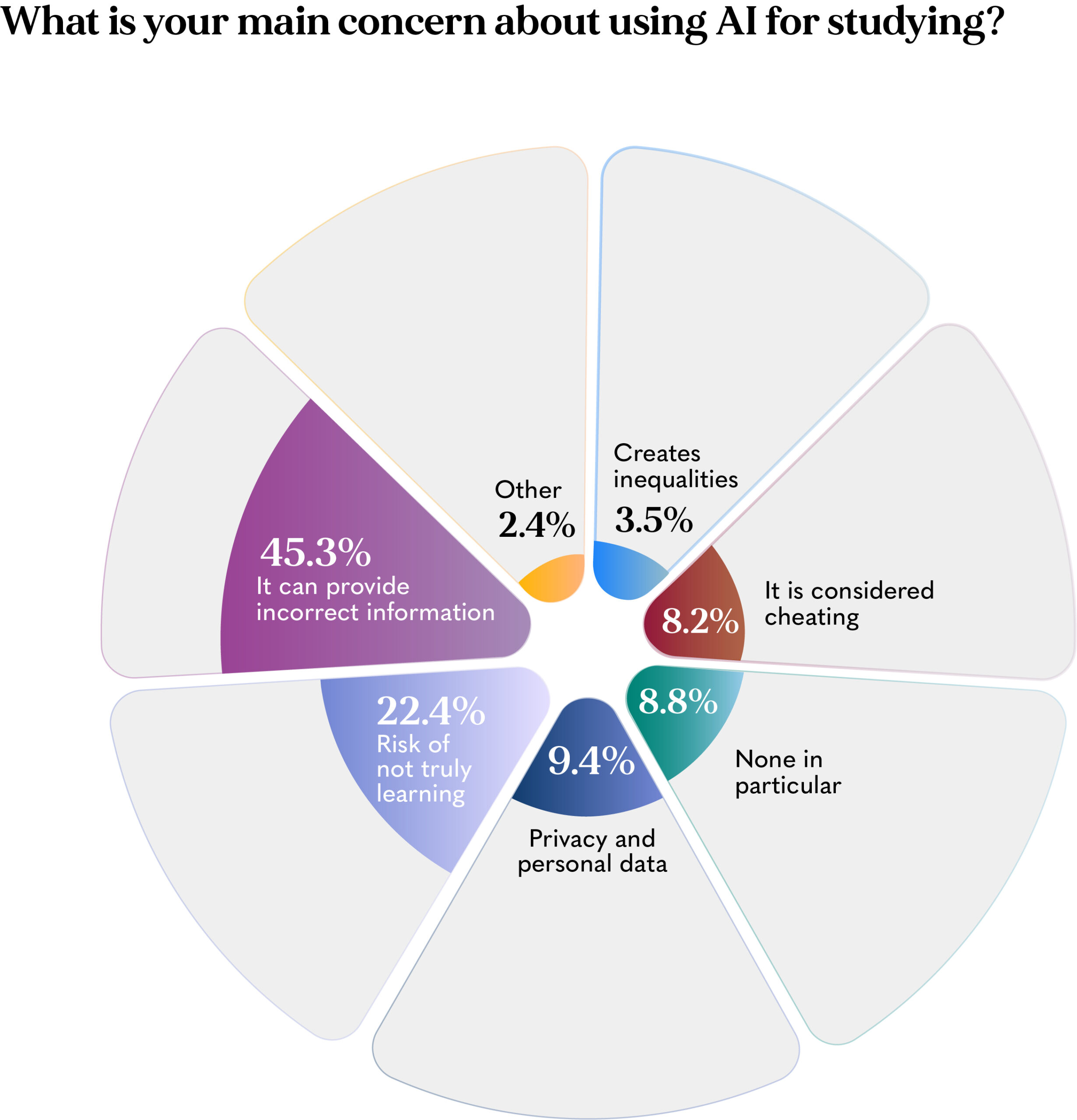
This anxiety points to a deeper condition. AI continues to be experienced as a black box: a system whose internal logic remains largely opaque to those who use it. And yet, when placed alongside the patterns of use outlined earlier, a more revealing contradiction emerges. Research and summarization—the areas where students rely most heavily on AI—are precisely those in which they also recognize the highest risk of error. They most often turn to the system where they trust it least.
What underlies is a condition of constraint. Faced with limited time, sustained pressure, and uneven institutional support, students operate within a calculus in which efficiency systematically outweighs caution. Under these conditions, risk becomes tolerable, even expected.
The limits of education today, and the path forward
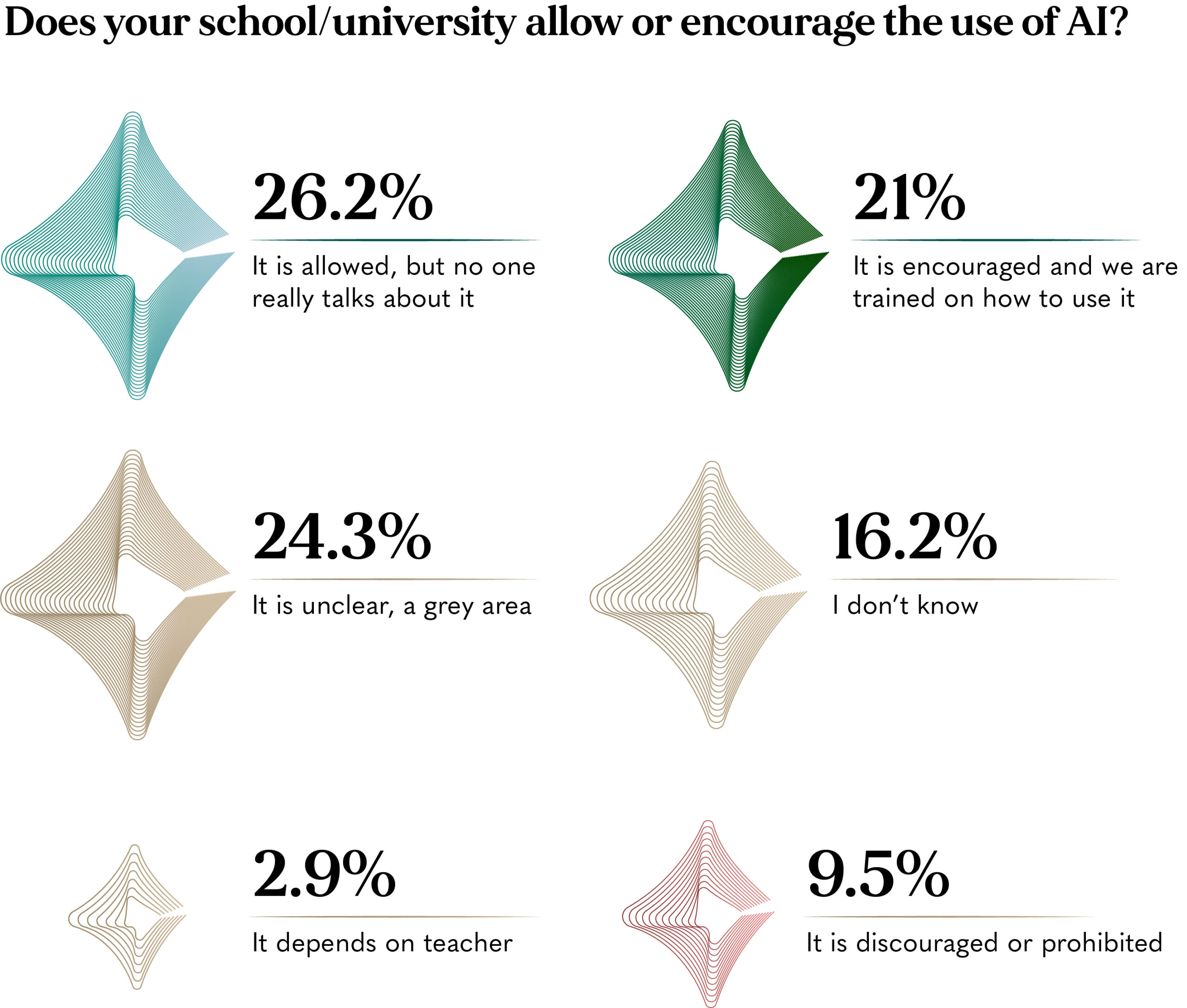
Faced with this picture, institutional responses cannot remain peripheral. And what the survey confirms, in line with the broader findings of this report, is a fragmented, uncertain landscape—perhaps even a frightened one. The large majority of students report their school’s approach to AI as somewhere between complete absence (a gray area left to individual teachers to navigate) and outright prohibition. Only 21% report that AI is actively encouraged with structured training. 26.2% say it is tolerated but never discussed. This gap tells us something essential: The institutions meant to guide learning have largely ceded their role.
AI functions as a mirror of the structural limits of education itself.
A system built around time pressure, constant workload, and overstimulation should not be surprised when students adopt tools designed to accelerate output. Not regulating AI does not reduce its use—it disperses it, making it more opaque and less integrated into any coherent pedagogical framework.
The question of what impact AI will have on education is, at this point, the wrong question. Schools, as porous spaces of encounter and change, have always absorbed new tools. AI is already inside educational systems—as pervasively and as inevitably as the Internet was before it, and the computers before that. What is urgent now is not prediction, but intention: What kind of school do we actually want to build? What does it mean to be educated in this world? What kind of people—curious, capable, genuinely free to think—do we want to grow?
But before that, we must ask ourselves a prior question: Do we, as humans, genuinely need to accelerate the process of finding answers? The slow pleasure of discovery is an anthropologically grounded human capacity—but one that is socially shaped in its rhythms, its forms, its very disposition. Choosing a tool that privileges speed is a response to an imposed necessity, not an intrinsic human drive. The urgency is not natural; it is structural.
From Argentina to Mali, from Europe to Taiwan, educational systems are locked into mechanisms that are not serving the people inside them—not only in pedagogical terms, but in the broader sense of what it means to build community, to grow people, to give them values they can actually live by. The differences between national contexts are real and significant. But the pattern is global, and so is the opportunity. What we hold right now is the chance to genuinely reimagine what our spaces of knowledge are for.
Through this work, a direction has begun to take shape—not a blueprint, but a set of orientations. A school that works on multiple levels and multiple timescales.
- The first level is that of the individual: Through the personalization of teaching, continuous accompaniment, and a more sustainable relationship with time, education can grow people genuinely capable of engaging with—and falling in love with—the challenge of perpetual learning, while feeling seen and supported in that process.
- The second is the level of community. Through a different organization of school time and space, education can cultivate a sense of belonging that is active rather than passive—one that teaches students that intelligence, effort, and ability take plural forms, and that individual growth only becomes meaningful in relation to others.
- The third is the global level. Schools and universities must reclaim their role as spaces of international exchange, cooperation, and shared knowledge. With global knowledge more accessible than ever—through translation, open platforms, and tools like the ones this report examines—educational institutions should be making curricular choices based on what prepares students to live and think in a genuinely multicultural world. Not to replicate local knowledge silos, but to break them open. To grow as citizens of the world, not just of one’s own backyard.
The steps are visible. The direction is already taking shape. AI is not a future transformation, but a present condition. The challenge, then, is not to anticipate change, but to act within it—deliberately enough to build, finally, the schools we actually want.