Education + AI, Trends
Chapter 1 doesn’t starts from a very uncomfortable question: what have we actually been measuring, all along?
Rose Luckin, of University College London, opens with a provocation: our education systems have spent decades rewarding precisely what machines now do well — pattern matching, information recall, standardized responses. If AI can pass our exams, the problem may not be AI. It may be the exams. Her framework of interwoven human intelligence — spanning the metacognitive, the social, the emotional — maps what machines cannot replicate, and what schools have quietly neglected.
Gino Roncaglia, of Roma Tre University, approaches the same terrain through a different lens. His distinction between the Architect and the Oracle reframes what classrooms are actually for: personalization is a promise, but shared standards are a necessity, and the tension between the two is where the real pedagogical work begins.
Dennis Yi Tenen, of Columbia University, pulls the argument wider. Intelligence, he argues, has always been collective — AI simply makes that fact harder to ignore. If knowledge is shared and cumulative by nature, then education’s task was never to guard expertise. It was to teach students how to reach it.
These perspectives don’t stay abstract. Chapter 1 brings them into contact with three distinct educational models — European, American, and Taiwanese — through regional insights that move from philosophy to practice. Estonia’s AI Leap initiative shows what structured, government-backed transformation looks like at scale. The U.S. reveals what happens in the absence of unified policy, where faculty autonomy produces a wide and uneven spectrum of approaches. And Taiwan — which manufactures most of the world’s AI chips — is only beginning to ask whether its classrooms are keeping pace with its industry.
Together, these voices and cases don’t offer a single answer. They offer something more useful: a clear-eyed picture of where three different educational traditions stand today, and the deeper questions each one still needs to face.
The Readings
How AI is Changing Schooling, Learning, and the New Forms of Intelligence(s)
By Rose Luckin, Professor of Learner Centred Design at University College London and founder of EDUCATE Ventures Research Ltd

“Educators must lead the global AI discussion because education is where we decide what kind of future we are building.”
Between the Architect and the Oracle
The European Educational Model Between Tradition and AI
Interview with Professor Gino Roncaglia, Associate Professor at Roma Tre University.
Regional Insights
Estonia’s AI Leap 2025
By By Marion Joepera, content Strategist & Senior Copywriter
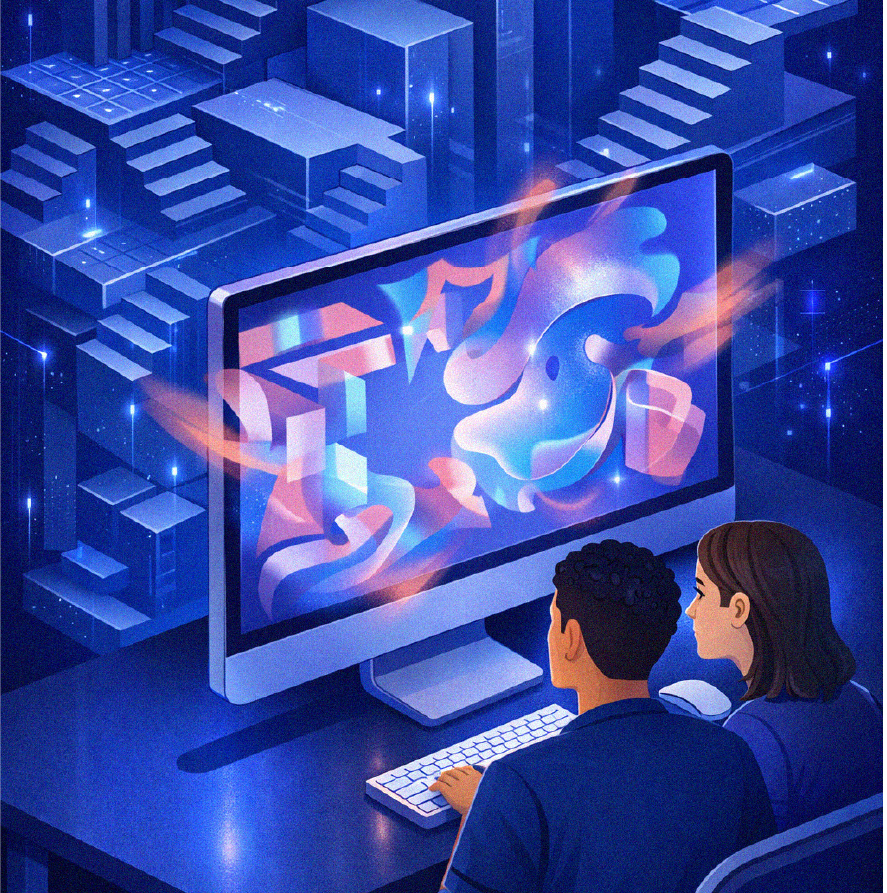
“The distinction between entry-level training and professional development is gone: Living in a rapidly changing world means constantly learning, acquiring new basic skills that didn’t even exist yesterday.”
The Collective Mind
How AI Shapes Learning and Knowledge in the U.S.
Interview with Professor Dennis Yi Tenen, Associate Professor of English and comparative literature at Columbia University
Regional Insights
A Grassroots, Pluralist Adoption
By Lutiana Valadares Fernandes Barbosa, Adjunct Professor at Georgetown SFS & American University
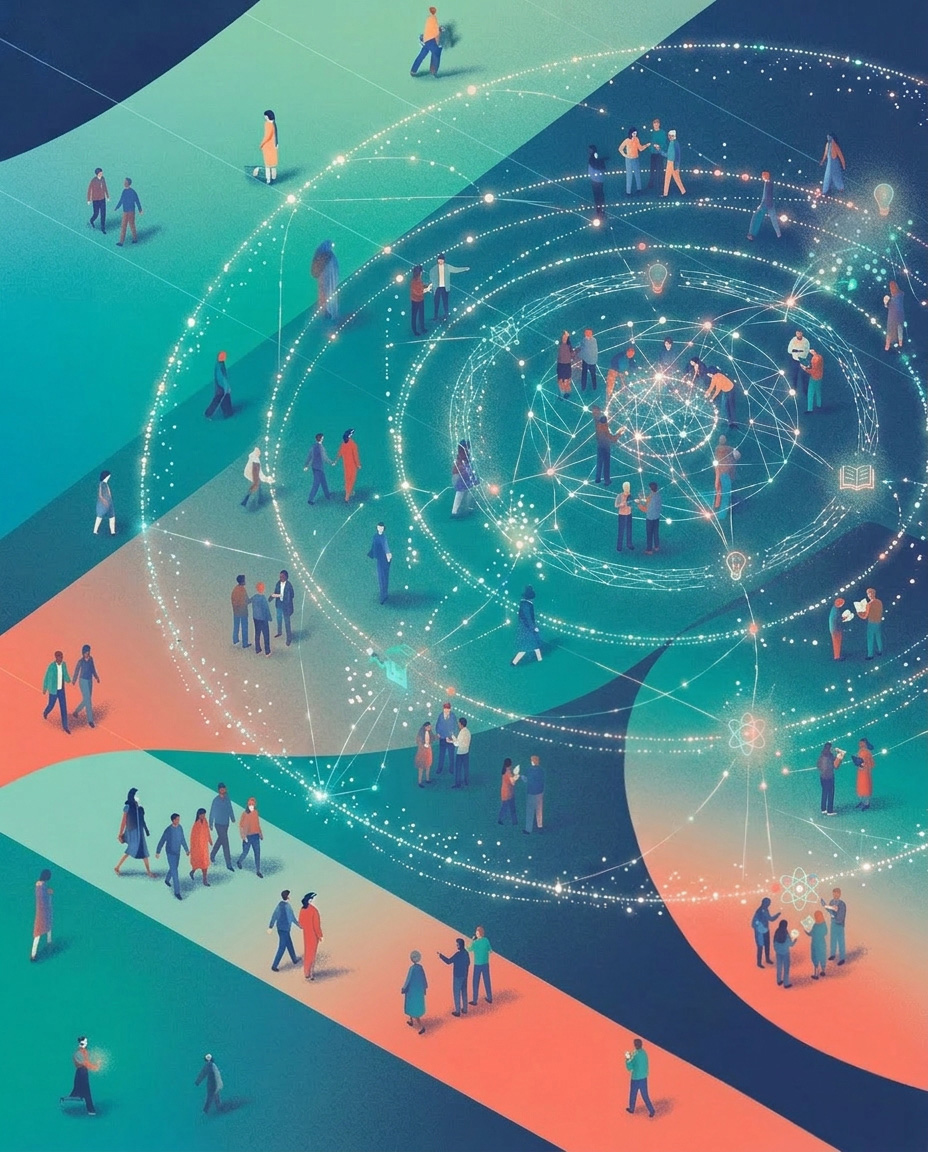
“We need to confront the fact that creativity, intelligence, and knowledge are not perfectly equitable, transferable, or equally distributable qualities.”
Where Chips Meet Classrooms
Scaling AI Between Schools and Industry in Asia
By Jenny Lin, Founder of JL Mandarin School (JLMS), a Mandarin teacher based in Taiwan.
Regional Insights
The Work of AI Academy
By Cheng-Lin Tsai, Technical Director at the Taiwan AI Academy Foundation
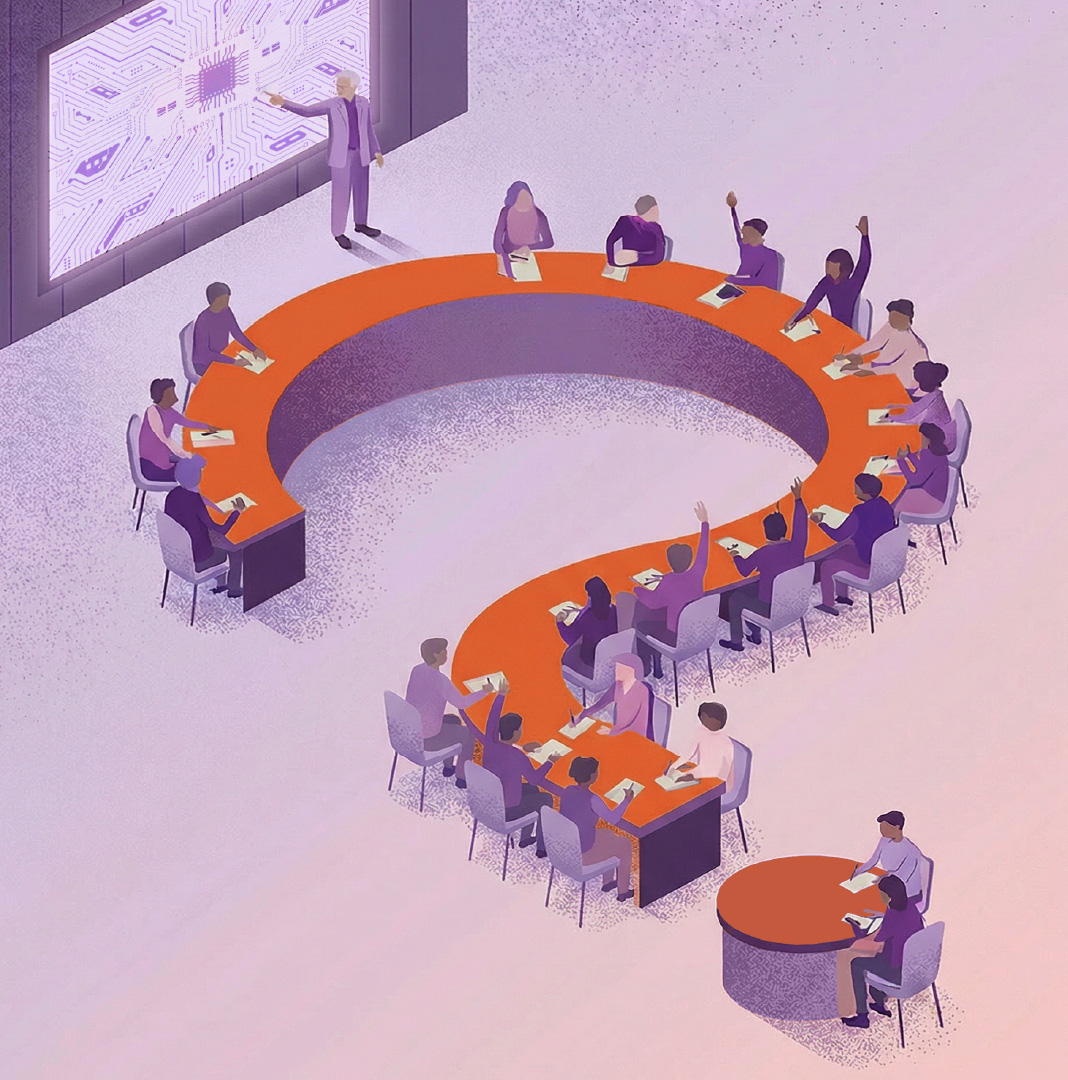
“In Taiwan, what is truly scarce is not technology itself, but the ability to identify problems and ask the right questions. This is precisely the aspect that traditional Chinese and broader Asian education systems have long overlooked.”