
Global Perspectives

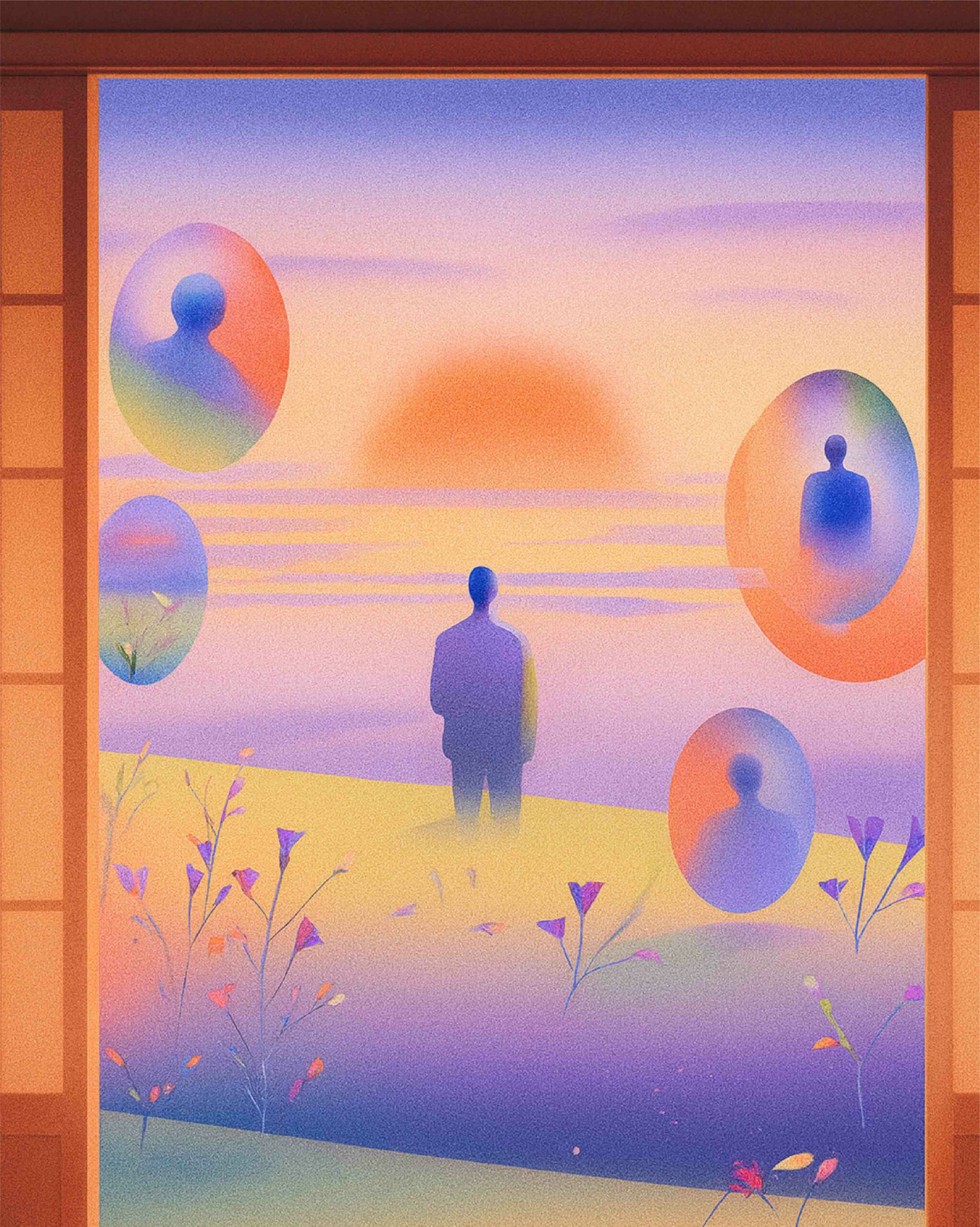
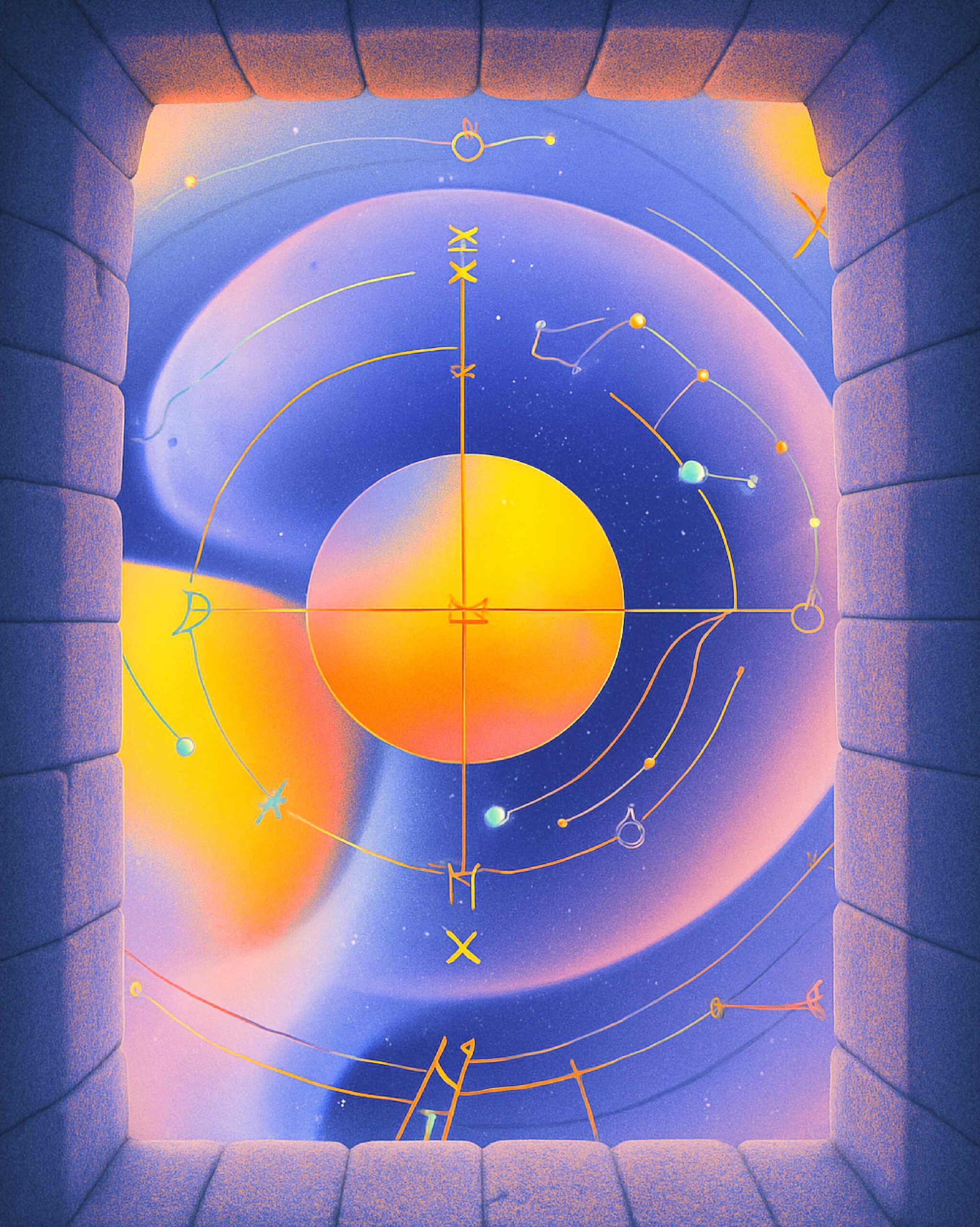
Morocco
A Polytemporal Map
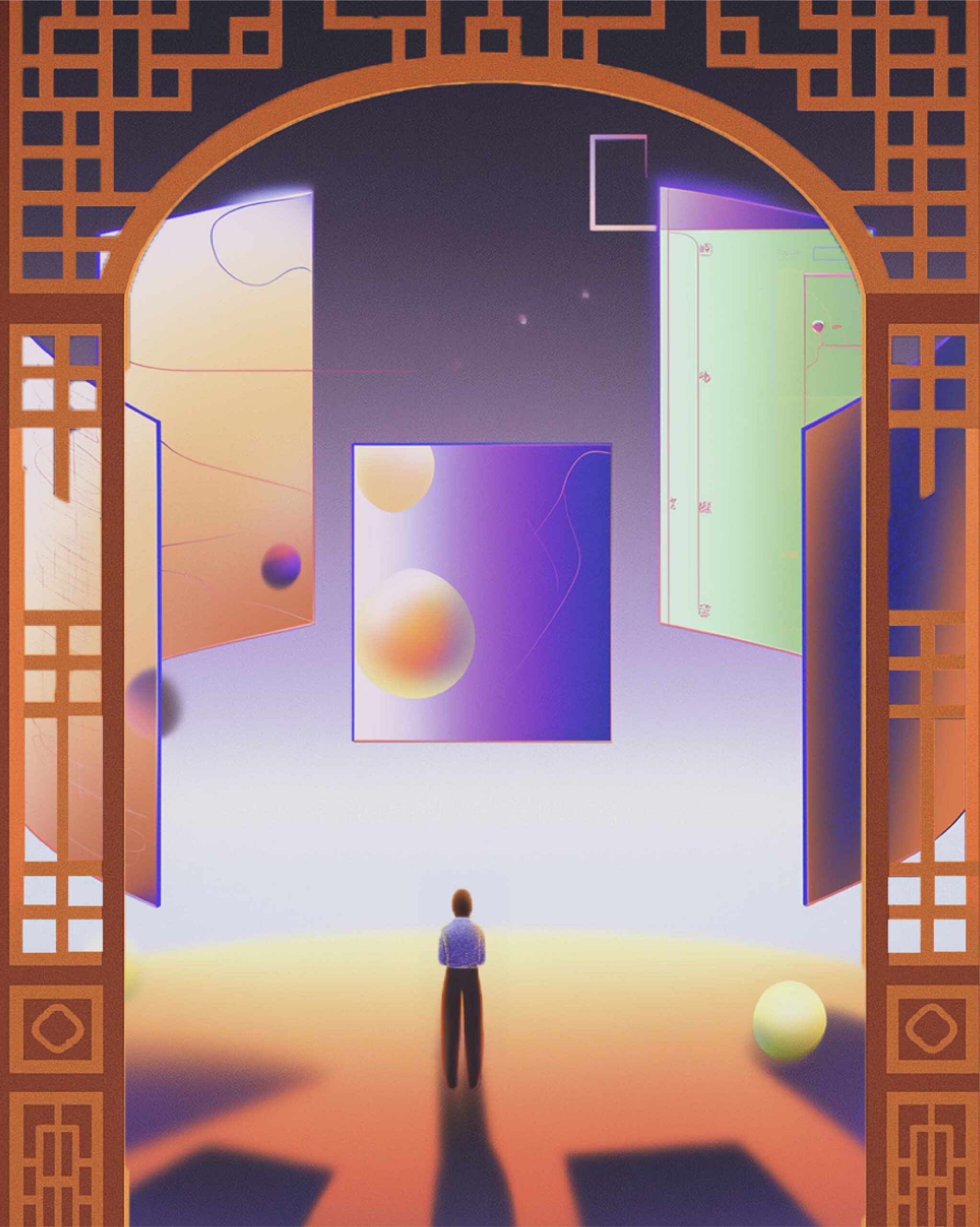
Vietnam
Blending Tradition and Innovation
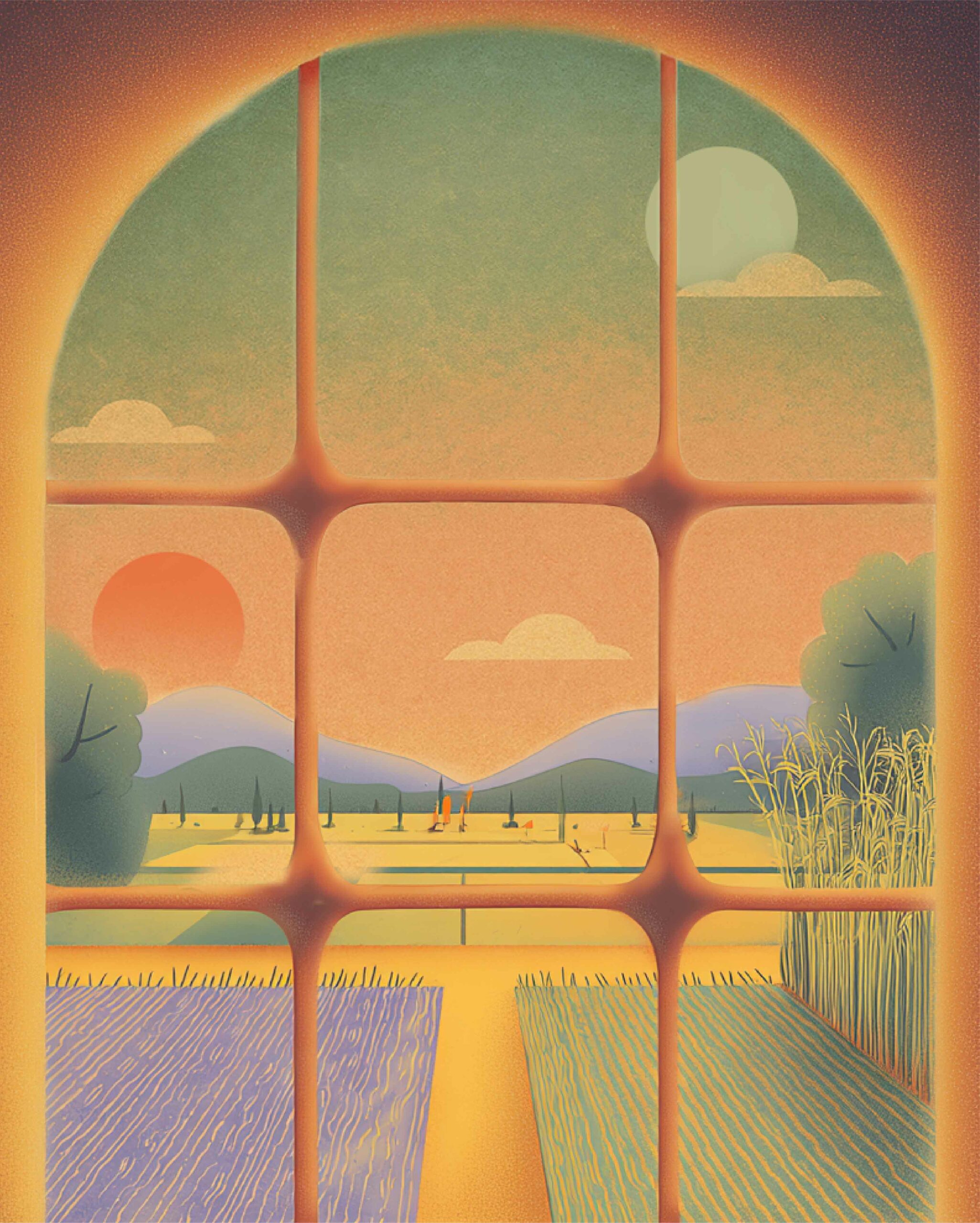
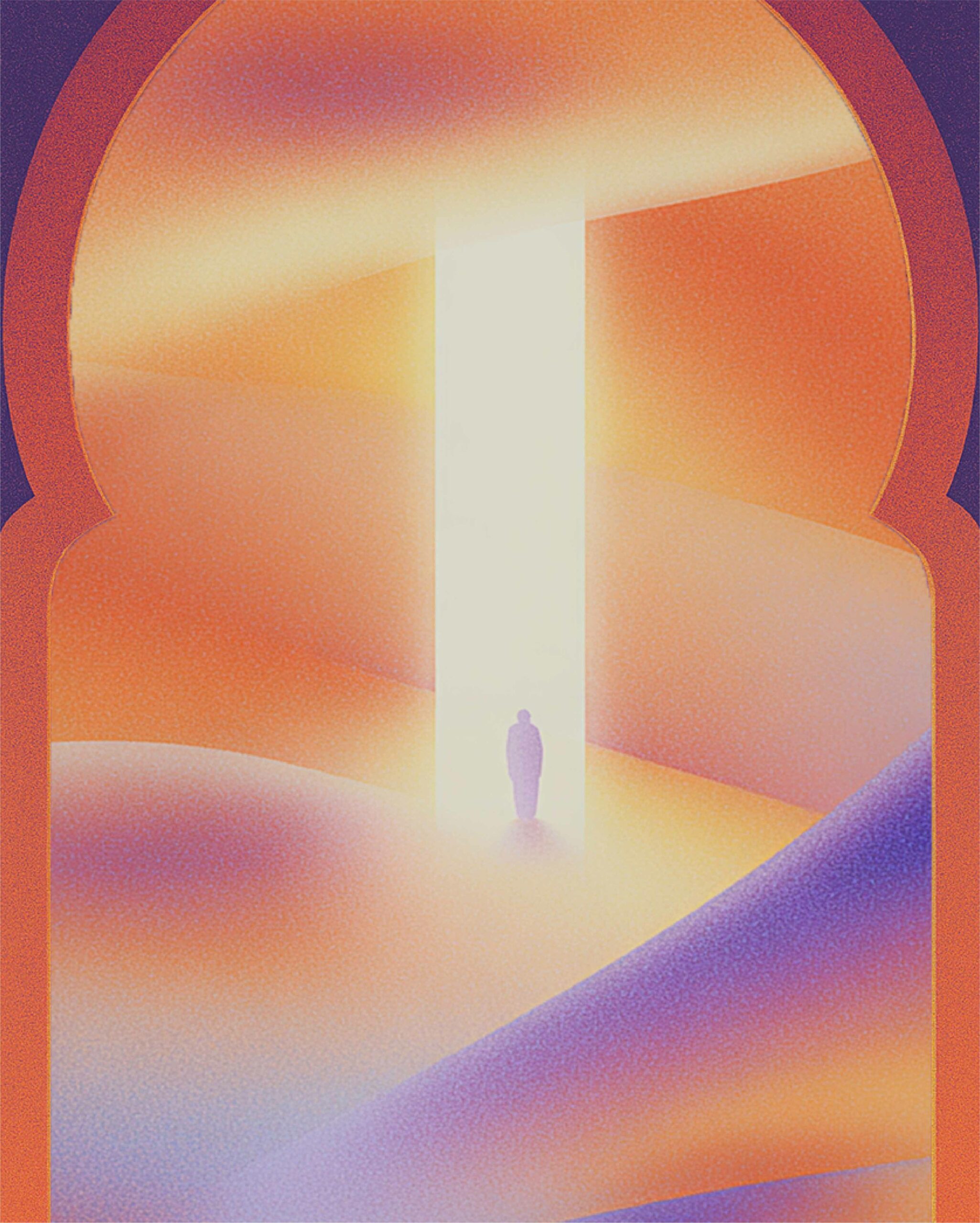
Bantu Cultures
A Cerimonial Temporality

Introduction
In English, we move toward the future. It lies ahead—a horizon we approach with intention, ambition, or dread. This sense of direction feels natural, even inevitable. But step outside the grammatical architecture of Indo-European languages, and the ground begins to shift. Among the Quechua people of the Andes, the future sits behind the speaker—unseen, unknowable—while the past stretches forward, visible and certain. The Māori of New Zealand walk backward into time, eyes fixed on their ancestors. In Mandarin, temporal metaphors may move vertically as much as horizontally, shaped by centuries of calligraphy flowing downward across bamboo slips. Meanwhile, in Bantu communities of Kenya, time is anchored not to calendars but to ceremonies, because meaning arises from shared preparation rather than abstract measurement.
Language, in this sense, is never a neutral container for thought. It is a form of cognitive architecture—one through which we construct reality itself, including our understanding of what has been, what is, and what may come. When the Greek alphabet reversed its writing direction from right-to-left to left-to-right sometime in the eighth century BCE, it did more than alter the appearance of text. It may have reshaped the spatial imagination of time, helping establish a paradigm that would come to dominate Western thought: time moves forward, and so must we.
This project begins with a deceptively simple question: where is the future? Not philosophically or physically, but linguistically and culturally—in the grammars, metaphors, and cosmologies through which communities imagine what comes next. We have gathered voices from eight linguistic traditions, each contributed by local scholars and linguists writing first in their own languages before translation. The essays that follow reveal not only distinct worldviews, but also culturally embedded choices about how knowledge itself is organized and expressed. The variation you will encounter—in depth, style, and analytical approach—is not editorial inconsistency but intellectual fidelity.
Ultimately, this project is less concerned with determining which conception of time is right than with exploring how our understanding of the future expands when we encounter others. Linear progress, cyclical return, uncertainty, stewardship, intention—these are not competing models, but complementary ways of making sense of what lies ahead.
Engaging with languages that imagine the future as something to be awaited, entrusted, or carried forward allows us to think differently about responsibility, continuity, and change. These perspectives do not only expand the outlook of those encountering them for the first time; they can also return something essential to the communities from which they come, bringing renewed attention to the cultural knowledge already woven into how time is spoken, lived, and understood. Seen this way, the future is not a single path moving in one direction, but a shared space shaped by many orientations. Each chapter in this collection stands as an autonomous inquiry. Read together, they suggest a broader landscape: a cognitive atlas of time, tracing the many ways human communities inhabit a shared experience. Entering these different temporal architectures invites a quieter kind of discovery—an opportunity to reflect on how language, often unnoticed, shapes the way we come to understand time itself.